


Marriage Green Card Processing Time in June 2026: How Long It Takes and How to Avoid Delays

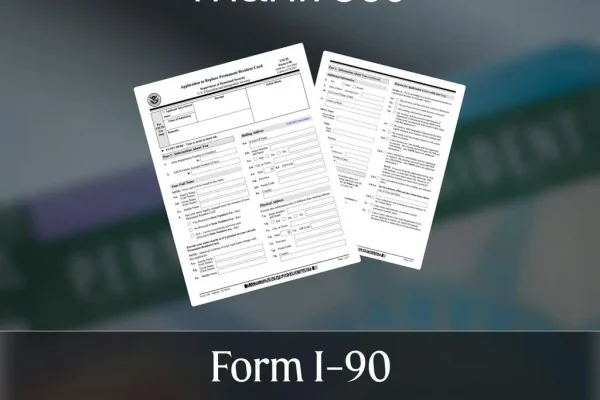
- The primary form for a marriage Green Card is Form I-130, Petition for Alien Relative which is filed by the spouse who is already a U.S. citizen or permanent resident.
- Premium processing is not currently available for either Form I-130 or Form I-48
- As of June 2026, I-130 processing times range from about 19 to 67 months if the petitioning spouse is a U.S. citizen, and 52 to 139 months if they are a permanent resident.
- Form I-130 petitions filed by lawful permanent residents for spouses currently range from approximately 50 months to 115 months and may take longer overall due to family preference visa backlogs and USCIS processing delays.
For couples navigating the U.S. immigration system, getting married is the beginning. The marriage Green Card is what turns a legal marriage into the right to actually live and build a life together in the United States permanently. And unlike many visa categories, it comes with a real finish line: lawful permanent residence, work authorization, and a path to citizenship.
If the foreign national spouse is already in the United States and eligible to adjust stats, they can generally file Form I-485 concurrently with the I-130 if an immigrant visa is immediately available (for spouses of U.S. citizens), or after the I-130 priority date becomes current for spouses of lawful permanent residents.
But the timeline matters, and in 2026, it’s longer and more variable than most couples expect. Whether your spouse is already living in the U.S. or abroad, and whether you’re a U.S. citizen or a Green Card holder, your specific path through this process looks different. This guide breaks down what the current timelines actually look like, where delays tend to happen, and what you can do to keep things moving.
Total marriage Green Card timeline and processing time in June 2026
| Applicant Type | Estimated Timeline |
| Form I-130, filed by a US citizen | 19 to 67 months |
| Form I-130, F2A Category | 52 to 139 months |
| Form I-485 (Adjustment of Status, after I-130 is approved and priority date is current) | 8 to 18 months |
| Consular processing (NVC + interview, after I-130 approval) | ~6 months, varies by post |
Visit our USCIS Processing Times page to see the current wait period for all U.S. visas.
How long does it take to get a marriage Green Card in 2026?
Marriage Green Card processing times generally take at least 1-2 years, but that depends on the sponsoring spouse’s status and whether the foreign national spouse is applying from inside or outside the United States.
Processing times can also vary depending on the USCIS service center, local field office, background check processing, interview scheduling, and the U.S. consulate or embassy handling the case abroad. High volume consulates and embassies often experience longer interview wait times and visa processing delays.
Subscribe to our newsletter for immigration resources and news, without the legal jargon.
Full application timeline for marriage Green Cards
The timelines below give a sense of how long you can expect for marriage Green Card processing times, but your experience will look different depending on whether the foreign-born spouse is inside or outside the U.S., and whether the sponsor is a U.S. citizen or a permanent resident.
Step 1. File Form I-130: 17.5+ months
The U.S. citizen spouse files Form I-130 with the documents necessary to establish the qualifying relationship with their spouse. The supplemental Form I-130A is also required for the foreign-born spouse. Because a spouse of a U.S. citizen qualifies as an immediate relative, there is no annual visa cap and no wait for a priority date—the case moves to the next step as soon as USCIS approves the petition.
- If the foreign spouse is already in the U.S.: they can file Form I-485 (for adjustment of status) at the same time as the I-130. Concurrent filing is the fastest path available to eligible couples and can compress the total timeline significantly—many immediate relative cases filed concurrently are completed in less than a year.
- If the foreign spouse is abroad: The I-130 is filed first. After USCIS approves it, the case transfers to the National Visa Center (NVC), and then the foreign spouse can begin consular processing.
Step 2. NVC processing (outside U.S. only): approximately 1–3 months
For Green Card consular processing, NVC will send a welcome before you can file an immigrant visa application (Form DS-260) with supporting documents. After reviewing your application, NVC will schedule an in-person consular interview.
Couples applying through adjustment of status from within the U.S. generally need to attend a Green Card interview at a USCIS office.
Step 3. Biometrics, medical exam: completed during USCIS processing
Regardless of the path, the foreign-born spouse must complete a Green Card medical examination with an approved doctor. For consular applicants, the medical exam is completed in the country where the interview takes place.
Applicants will also attend a biometrics appointment for fingerprinting and photographs. For adjustment of status applicants, biometrics is typically scheduled within 1–3 months of filing.
Step 4. Additional processing (if needed)
The wait time for approval after biometrics could take a few months or over a year, depending on multiple factors. In some cases, your application may be held for additional security or background checks through administrative processing. This isn’t necessarily a bad sign for your case—for example, it may be common for applicants from your home country—but it could add six weeks or more to the process.
Step 5. Approval and Green Card delivery—2–4 weeks after approval
For applicants adjusting their status, a physical Green Card arrives by mail after USCIS issues a decision.
For consular applicants, the foreign-born spouse receives an immigrant visa so they can travel to the U.S., and then a physical Green Card will arrive by mail at their U.S. address within a few weeks of entry.
Factors that influence marriage Green Card timelines
Status of the petitioning spouse
As covered above, this is the most consequential variable. Spouses of U.S. citizens qualify as immediate relatives—no visa caps, no wait for a priority date. Green Card holders file under the F2A preference category, which does have visa caps, with the Visa Bulletin controlling when the process can move forward. Waiting for an available visa often adds years to the total timeline.
Where the foreign spouse is located
Adjustment of Status (for spouses already in the U.S.) and consular processing (for spouses abroad) use overlapping forms but follow different tracks and involve different government agencies at different stages. Adjusting status is generally faster for eligible couples, but consular processing may be the only option depending on the beneficiary’s immigration history or current status. If an overstay, unlawful entry, or prior immigration violation is involved, additional waivers may be required, adding time and complexity.
🔗 Learn more about adjustment of status vs. consular processing.
Application completeness and RFEs
Incomplete applications or unclear documentation can trigger a Request for Evidence (RFE), adding weeks or even months to the timeline. Common triggers include insufficient proof of a bona fide marriage, incomplete financial documentation from the sponsor, or missing civil documents. A thorough, well-organized initial filing dramatically reduces the chance of an RFE, and since there is no premium processing option to fall back on, the quality of the initial submission matters even more than it does in employment-based Green Card cases.
How Manifest Law can help with your Green Card
The Green Card process for spouses can feel complex and overwhelming without the right support. At Manifest Law, our attorneys have the experience needed to help you navigate the immigration system, whether you’re not yet married, are just starting your Green Card planning, or already have a pending marriage Green Card case.
If you’re ready to take the next step toward permanent residence, request a consultation with Manifest Law’s immigration attorneys today.
FAQs about Marriage Green Card processing
Is premium processing available for a marriage Green Card?
No. Neither Form I-130 nor Form I-485 is eligible for premium processing. Since you cannot pay for a faster decision, the best thing you can do is avoid delays by submitting a strong initial petition.
What should I do if my Green Card for my marriage is taking longer than expected?
Use the USCIS processing times tool gov to check whether your case falls within the current published timeframe for your form type and office. USCIS processing times do change over time. If you’re waiting on consular processing, your local consulate may have its own rules for when you can contact them and how they respond to requests. One of the best options if you have questions during the process is to talk to a marriage Green Card attorney. They’ll have a sense of current wait times and factors that may affect your individual case.
Are marriage Green Cards processed in the order they’re received?
Generally, yes—though processing times vary by USCIS field office and service center, and cases involving RFEs or additional review take longer regardless of receipt order. Each U.S consulate or embassy will also have its own processing times and procedures.