11+ Years
Average Lawyer Experience

Experienced in EB-2 NIW Petitions
*Read Pay on Approval terms and conditions here. Ex-USCIS officer review is only available for select plans.
*Representative image - not actual Manifest lawyer or client
/Market Leaders
11+ Years
Average Lawyer Experience
180+ 5-Star Reviews
Customer Satisfaction
Supporting Talent
Employed at Apple, Meta, Google, Tesla
Exceptional Attorneys
<1% of attorneys who apply are selected.
250,000+ Cases
Filed by our Attorneys
*Average years of experience of all Manifest lawyers is as of March 30th, 2026. Total number of cases filed provided by Manifest lawyers in connection with cases handled with Manifest and lawyers' prior firms.

Ashley Gruber
Focused on EB-2 NIW visas
11 Years of Experience
6,000+ Cases
/EB-2 NIW Visa Must-Knows
/Why Choose EB-2 NIW?
Which U.S. Path Is Right for You?
EB-2 NIW
Green Card pathway for those pursuing endeavors of national interest.
EB-3
Employment-based Green Card for skilled workers, professionals, and certain other workers.
H-1B
Common work visa but requires lottery with odds of being selected ranging from 10-30%. Requires employer sponsorship.
EB-1A
Highest bar—for extraordinary individuals at the top of their field.
/Choosing an EB-2 NIW Lawyer
The EB-2 NIW (National Interest Waiver) requires proving that your work benefits the United States broadly, not just your employer. Success depends on aligning your evidence with the Matter of Dhanasar framework and showing why a labor certification should be waived. Here’s what to look for when choosing an EB-2 NIW lawyer:

/Choosing an EB-2 NIW Lawyer
The EB-2 NIW (National Interest Waiver) requires proving that your work benefits the United States broadly, not just your employer. Success depends on aligning your evidence with the Matter of Dhanasar framework and showing why a labor certification should be waived. Here’s what to look for when choosing an EB-2 NIW lawyer:
No employer sponsorship required
You can often self-petition, instead of depending on one employer to sponsor your Green Card.
Skip PERM labor certification
The national interest waiver lets you avoid the PERM process and job-market testing, which can add 2 to 3 years to the process.
No lottery or cap
Unlike H-1B, there's no annual lottery. You apply based on your qualifications and national-interest impact, not chance.
Long-term stability
EB-2 NIW leads to a Green Card, so once the I-485 is approved, you're a lawful permanent resident, not on a temporary work visa.
Career flexibility
Once your priority date is current, you can apply for the Green Card and for a work permit. You don't need to wait for your Green Card to start working for another employer or for your own.
Bring your family
Your spouse and unmarried children under 21 can also become permanent residents and live, study, and work (spouse) in the U.S.
EB-2 NIW Visa Attorney Fees
Our goal is simple: complete transparency. Every EB-2 NIW Visa case is handled on a flat-fee basis—no hourly billing, no hidden charges, and no surprises. You'll know exactly what's included from day one, with the flexibility to choose the level of support that fits your needs.
Starting at
$8,995
Your experienced attorney files your case, with clear communication and transparency every step of the way.
What’s included:
Additional service:
Former USCIS officer review
Full case review.
$1,500
How it works
A portion of your flat fee secures your filing and gets your attorney working.
Your attorney and team assemble the full petition while you stay in the loop.
The remainder is only due once your case is approved.
Flat-fee pricing with no surprise fees. Credit cards & bank transfers are accepted. Flexible payment plans available for every tier.
the EB-2 NIW visa timeline
We know speed matters—especially when you have a job offer, project deadline, or looming immigration constraint. That's why we commit to firm turnaround times and a streamlined, tech-enabled process from day one.
(1-3 days)
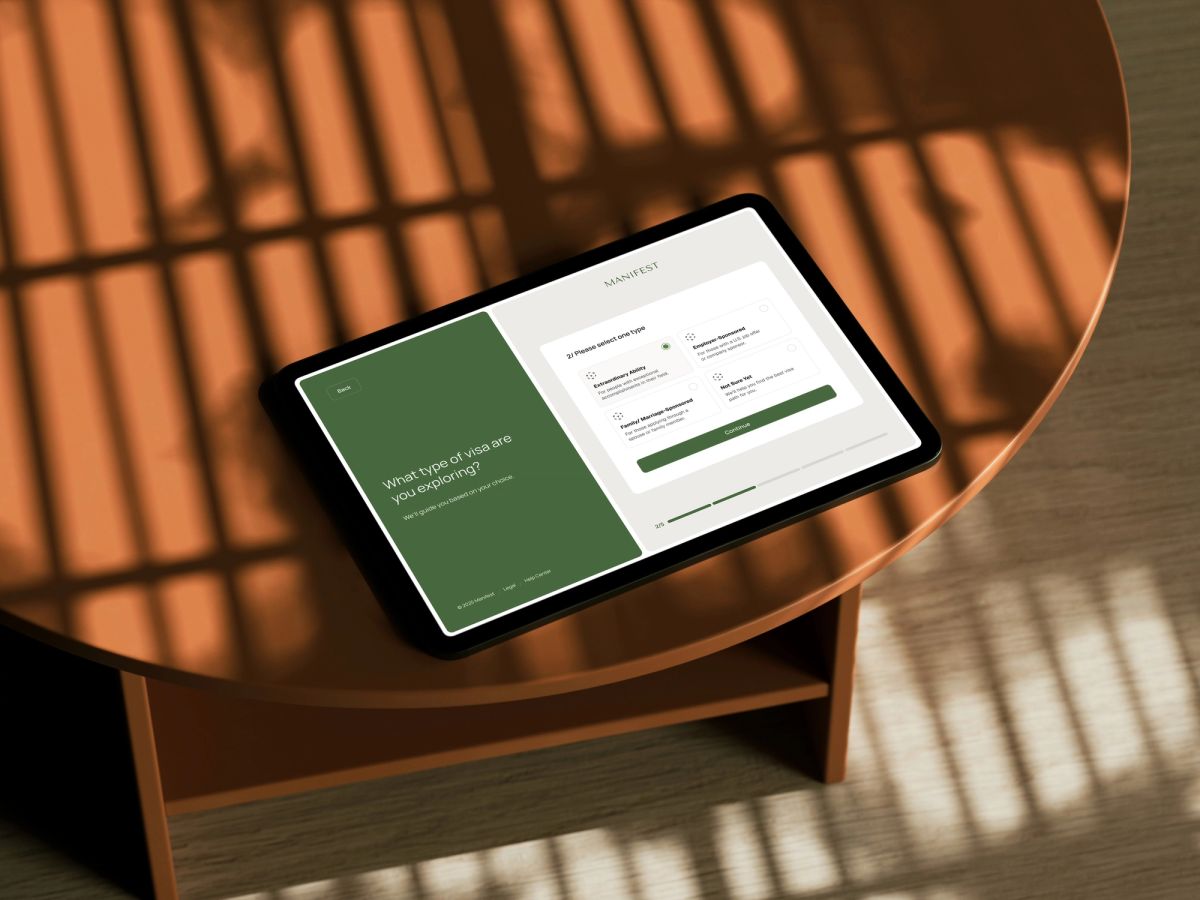
Start with our free quiz. We'll assess your eligibility within 1 business day. If you're eligible, we'll schedule your free consultation with an attorney who can recommend the best path forward. During the consult, you can share your story, get personalized guidance on your case, and make sure it's the right fit before you commit.
(3-6 weeks)
You’ll get a personalized document checklist and access to our secure client portal. With guidance from your attorney and an evidence coach if needed, you’ll upload materials that showcase your achievements and impact.
(4-6 weeks, may vary based on your case)
Your EB-2 NIW visa attorney drafts the full petition, including letters, a personal statement, and a cover memo. Depending on the plan you choose, your case is then reviewed by a second attorney or former USCIS officer to ensure it’s strategically sound.
(45 business days with premium processing, 16 months+ standard)
After final review, we file your case with USCIS. Processing times are dependent on USCIS, but premium processing can guarantee a decision within 45 business days. Disclaimer: Working with an evidence coach does not guarantee approval of your case
Testimonials
Discover how Manifest attorneys have helped clients navigate the visa process and check out their success stories.
“Really impressed with Manifest's extensive experience in EB1 and EB2 visas as well as personalized approach. They were really helpful in advising about my potential options and how to best present my case, should I decide to apply in future.”
“I had an amazing experience with Manifest Law from the first intake interview, through a fast and professional process of working on the file, to a straightforward approval of my case. Catlea Bobis is a superstar attorney, and I recommend everyone considering trusting your case to professional support like I had with Catlea and the entire team at Manifest Law.”

“I have worked with Dan and Simon directly, and my experience has been like no other. It feels like I'm talking with actual people who care about my case. Any questions I had, they were happy to assist me with in a very short time and make sure everything was clear before moving on to the next thing. I will definitely be working with them again in the future.”

“Exceptional service. Fair pricing, worth every dollar. Had a couple of consultations booked with Simon. Wasn’t trying to upsell or anything like that. Crystal clear info and guidelines, exactly what I was looking for.”

“I was using Manifest Law’s services during my EB-2 NIW process. The Team was very professional and my petition was approved. I highly recommend their services.”

“The team was simply fantastic. Initially, I thought my case was not highly strong. What impressed me most was their legal expertise extracting the most valuable insights from facts to support my case. Communications with them were effective and pleasant. I greatly appreciated the team's understanding and quick action. I would highly recommend them.”

Manifest

Our team averages 11+ years of immigration experience. They are master storytellers who know how to frame your achievements for USCIS.

With Manifest, you are backed by a full team, from evidence assembly coaches to relationship managers. Everyone is aligned to deliver the strongest possible outcome for your case.
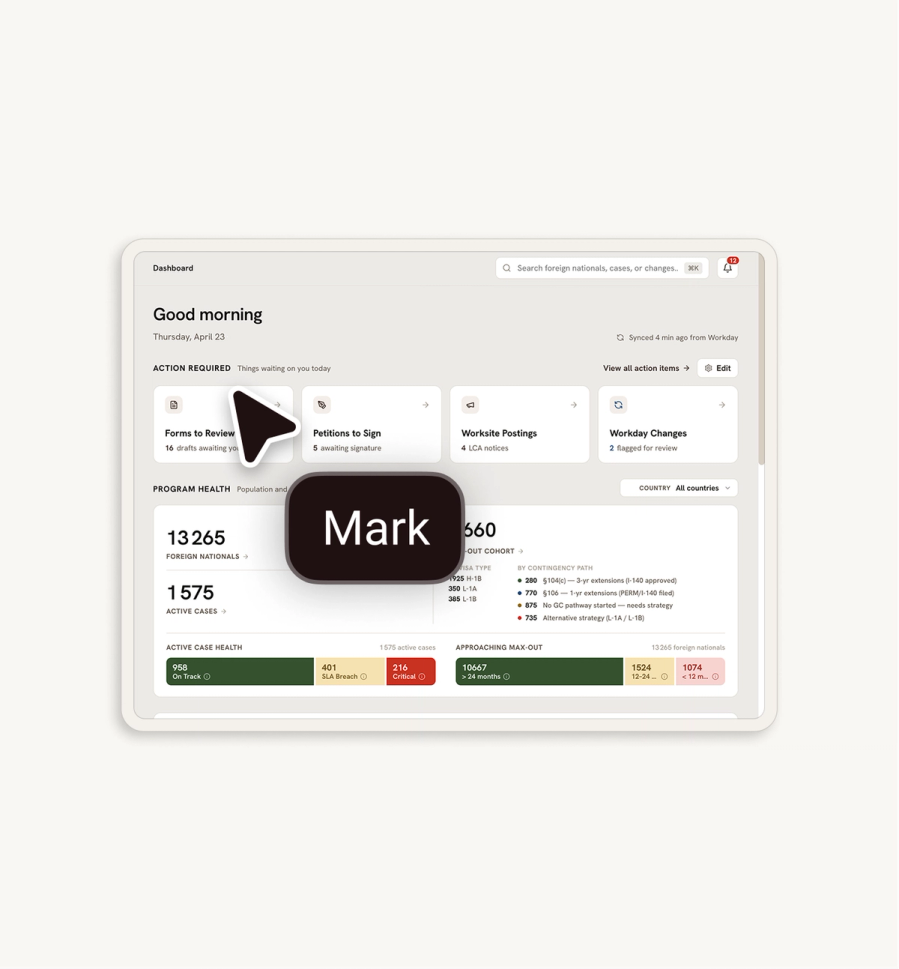
Clear updates, shared documents, and direct access to your legal team. Everything moves faster when communication just works.

We track EB-2 NIW approval trends in real time and adjust our approach when policies or adjudication patterns shift.

We only win when you do. That is why we offer our money-back guarantee. Your success is our priority and our promise.
*Average years of experience of all Manifest lawyers is as of March 30th, 2026. Total number of cases filed provided by Manifest lawyers in connection with cases handled with Manifest and lawyers' prior firms.
Learn More About the EB-2 NIW Visa
Not sure what your next best step is? Explore our most-read guides to dive deeper and make an informed choice about your future.
/FAQ

/LET'S BEGIN
We help you figure it out. Then we work tirelessly to achieve your immigration goals.