Key Takeaways
- A biometrics appointment lets USCIS collect your fingerprints, photo, and signature to confirm your identity and complete background checks.
- Bring your biometrics appointment notice and a valid photo ID to the Application Support Center to be admitted and processed.
- Missing biometrics without rescheduling can delay your case or lead to denial of your immigration application.
You may receive a biometrics appointment notice during the process of applying for a visa, Green Card, or another immigration benefit, including naturalization. It’s a quick meeting to collect your fingerprints and photo, not an interview, so you don’t need to bring anything. But missing this step can delay your application or lead to denial.
Clear guidance, without the legal jargon. This article is informed and reviewed by Manifest Law’s experienced immigration attorneys—and written to make the law make sense. Because you deserve to understand the system, not fight it. Check out our editorial policy for more info.
What is the purpose of a biometrics appointment?
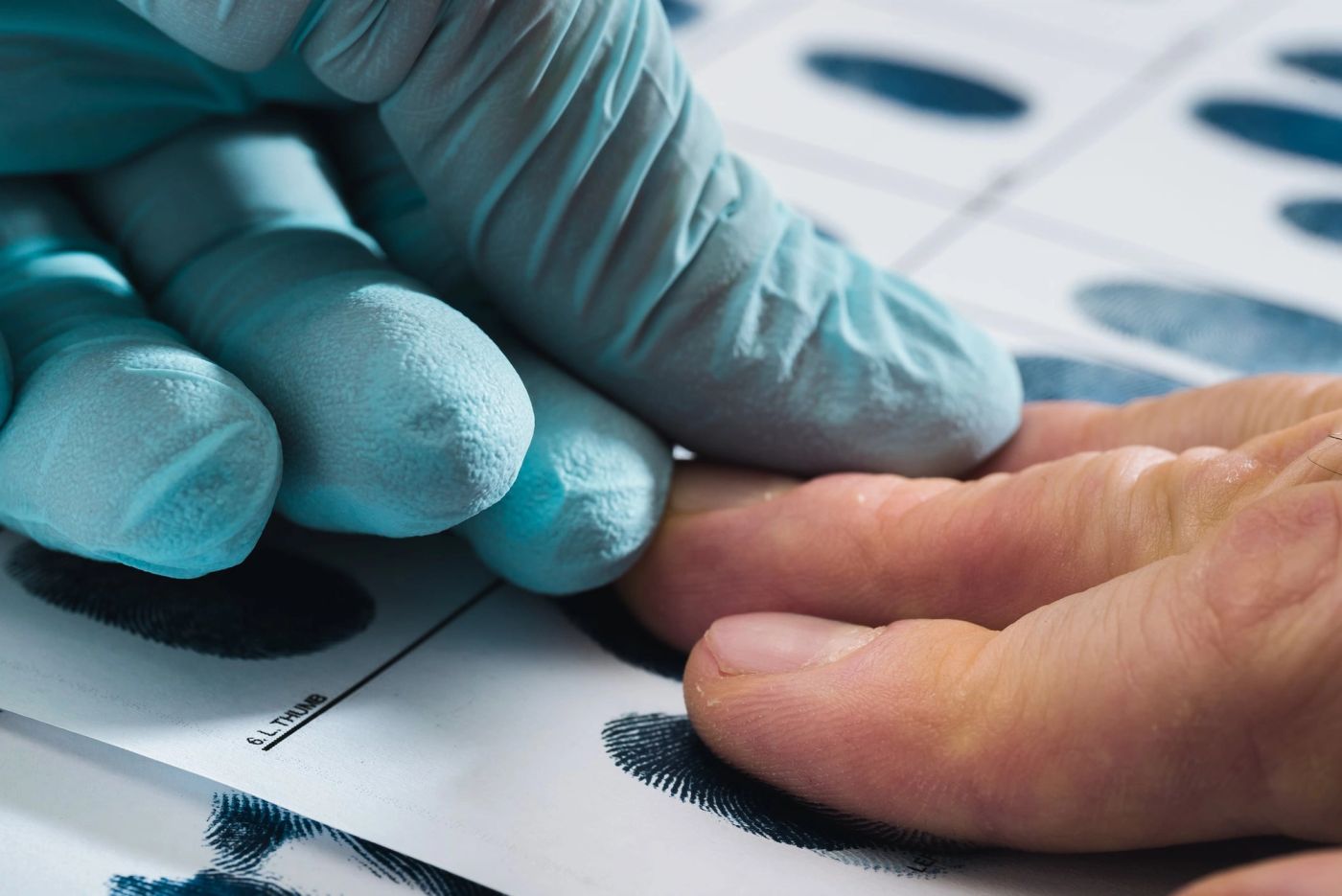
A biometrics appointment is a standard requirement for almost every immigration application. U.S. Citizenship and Immigration Services (USCIS) will collect biometrics—fingerprints, photograph, and digital signature—to verify your identity and ensure you’re eligible for immigration benefits.
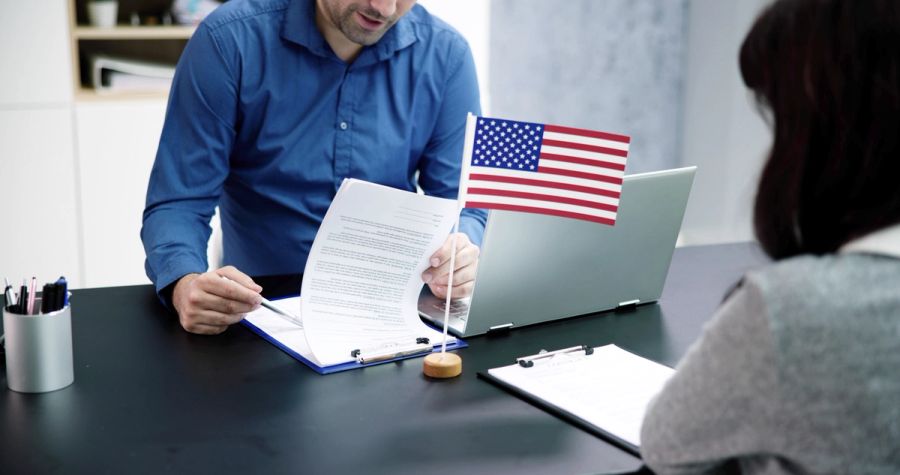
The biometrics appointment is not an interview. You’ll simply provide your physical data at an Application Support Center (ASC). You won’t need to prepare for any legal questions or bring evidence.
What to expect at a biometrics appointment
Your biometrics appointment takes place at an ASC. This is a USCIS office that focuses on collecting physical data like fingerprints and photos. If you’re outside the U.S., your fingerprints will be scanned at a U.S. embassy or consulate instead.
You should plan to arrive 15 minutes before your scheduled appointment time, but no earlier, to go through the security checkpoint. The actual collection of your data should take about 20 minutes.
Here’s what will happen when you arrive at the ASC:
- Check-in: You’ll present your appointment notice and a valid photo ID to the staff.
- Digital fingerprints: A technician will take digital scans of all 10 of your fingerprints.
- Photograph: They will take a digital photo of you to be used for your official immigration documents.
- Digital signature: You’ll provide a signature at the appointment. It confirms that the information in your application is true and correct.
- Proof of attendance: Before you leave, the staff will stamp your biometrics appointment notice (Form I-797C). This serves as proof that you’ve completed the requirement.
Remember, the staff at the center can’t answer questions about your case or provide legal advice. Their job is to collect your data so your application can move forward.
Note: A government proposal could expand biometrics to include DNA, voice recordings, and eye scans for almost anyone in the immigration system, regardless of age.
What documents to bring to your biometrics appointment
Bringing the right documents is essential to avoid delays in your application. Your appointment notice will list specific items required for your visit, but a few documents are always required:
- Your ASC appointment notice (Form I-797C): It’s very important to ensure the notice is stamped or signed by the officer as proof that you attended the appointment. If you received more than one notice, bring all of them with you.
- Valid photo identification: This must be a government-issued ID that has not expired.
Commonly accepted forms of photo ID include:
- Your passport
- A driver’s license
- A state-issued photo ID card
- EAD (Employment Authorization Card)
- Your permanent resident card (Green Card), if applicable
- Military photo identification
What happens after a biometrics appointment?
After you finish your appointment, your application moves to the next stage of the immigration process. USCIS will use the data it collected to run your background check and confirm your identity before your immigration case can move forward.
Here is what you can expect next:
- Background check: USCIS sends your fingerprints to the FBI to check for any criminal history.
- Case status update: You can check your case status online on the USCIS website.
- More information needed: In some cases, USCIS might send a request for evidence (RFE) if it needs more details to make a decision.
- Interview or decision: For many, the next step is waiting for a final decision or an invitation for an in-person interview.
How to reschedule your biometrics appointment
If you can’t attend your scheduled appointment, you must request a change before the original appointment time. To do this, you can log in to your USCIS online account. You need to show “good cause,” which is a valid reason for the delay.
Good cause reasons include:
- Illness or medical emergencies: Such as hospitalization or a scheduled doctor’s visit.
- Significant life events: Like a wedding, funeral, or graduation.
- Travel or work conflicts: Including previously planned trips or being unable to get time off work.
- Transportation issues: If you can’t find a way to get to the ASC.
If your appointment is less than 12 hours away or you've already missed it, you can’t use the online tool to reschedule. In those cases, you must call the USCIS contact center at 800-375-5283.
Who needs a biometrics appointment?
USCIS has the authority to require a biometrics appointment from anyone seeking immigration or naturalization. If you’re applying for a Green Card with your spouse or children, each family member will likely receive their own appointment notice. Most applicants who are 14 years or older and staying in the U.S. for more than 30 days must complete this step. Common categories and forms that require biometric appointments include:
- Green Card applicants: Those filing Form I-485 to adjust their status to permanent residence.
- Work permit seekers: Anyone filing Form I-765 for an employment authorization document (EAD).
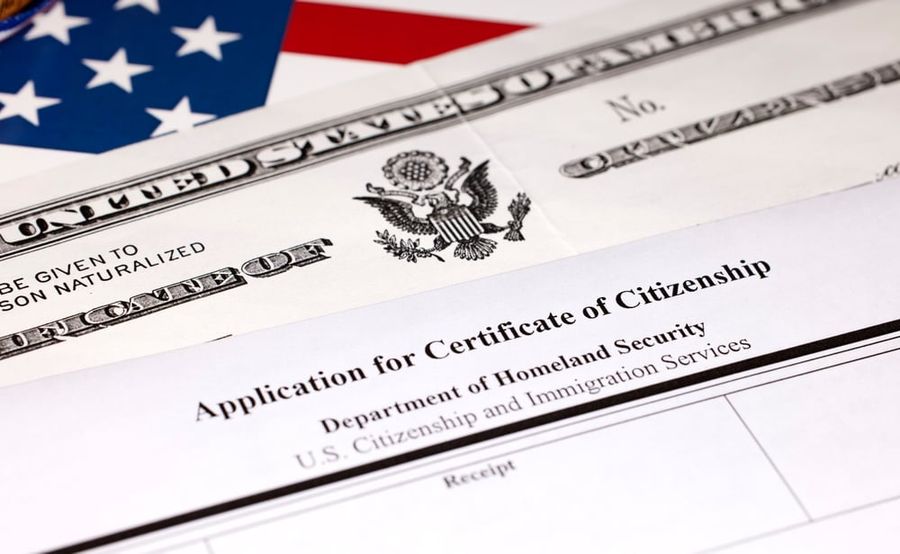
- Citizenship applicants: Those applying for naturalization using Form N-400.
- Green Card renewals: Permanent residents replacing or renewing their card with Form I-90.
- Travel document applicants: Those seeking a re-entry permit or refugee travel document via Form I-131.
- Asylum seekers: Those filing Form I-589 for asylum in the United States.
Feeling confident at your biometrics appointment
While completing your biometrics appointment is a major milestone in your immigration journey, it’s part of a much larger puzzle. An experienced immigration lawyer can guide you through every step of the process, monitoring your immigration case status and helping you stay organized so you can focus on your future in the U.S.
👉 If you’re ready to stop guessing about your future and start planning, our immigration attorneys are here to help. Request a consultation with Manifest Law now.
Frequently asked questions
Does scheduling a biometrics appointment mean you’re approved?
No. A biometrics appointment is a step to verify your identity. It does not mean your application has been approved, but it must be completed before USCIS can make a final decision on your case.
What happens during a biometrics appointment?
A technician or officer will take your digital fingerprints and a photograph, and you’ll provide a digital signature.
What’s next after your biometrics appointment?
After your appointment, USCIS sends your fingerprints to the FBI for a background check. Depending on your case, the next step may be an interview or getting word about a final decision.
Why is USCIS asking for biometrics?
USCIS requires biometrics to confirm you are who you say you are and to ensure you don’t have a criminal record. This data is also used to create secure identification documents, like your Green Card or work permit.
About the Author

Senior Staff Writer
Myles Ma is a veteran editor and journalist who has spent his career untangling complicated, sometimes unpleasant topics to help readers make smarter decisions. His reporting and insights have been featured in major outlets including the Washington Post, PBS, and CNBC.
Read bioReviewed By

Immigration Lawyer to Manifest Law
Ana Gabriela Urizar is an award-winning immigration attorney licensed in Arizona and New York. With nearly a decade of experience, she advises global corporations on complex U.S. immigration matters. Originally from Guatemala, Ana Gabriela previously spent close to ten years at the world’s largest immigration firm, managing business immigration matters for leading technology, science, and financial companies. She has been recognized by Best Lawyers: Ones to Watch and Negocios Now’s Tri-State 40 Under 40.
Read bioShare this article: