



How to Get Dual Citizenship in the U.S.
- The United States allows dual citizenship, but whether you can keep both nationalities depends on your other country’s laws.
- People can become dual citizens through birth, adoption, naturalization, or by acquiring another citizenship later.
- Dual citizenship can expand travel, work, and voting opportunities, but may also create conflicts involving taxes, civic duties, or job restrictions.
Being or becoming a U.S. citizen does not bar you from holding another nationality or citizenship. By becoming a dual citizen, you may be able to live and work in multiple countries.
| ⚠️ In December 2025, Congress introduced the Exclusive Citizenship Act. This bill has not gone into effect, but if it does, U.S. citizens may have to renounce any foreign nationality. |
What is dual citizenship?
Dual citizenship refers to a person who is a citizen or national of both the U.S. and a foreign country. Under Section 1101(a)(22) of the Immigration and Nationality Act of 1952, a person is a national and “owes allegiance” to the U.S. if they are:
- A U.S. citizen by birth
- A U.S. national born in American Samoa or Swains Island
- A naturalized citizen
Subscribe to our newsletter for immigration resources and news, without the legal jargon.
The U.S. does currently allow dual citizenship, but not all countries allow it. Check with your other home country’s laws first to see if you can hold both statuses.
Is dual citizenship allowed in the U.S.?
Dual citizenship is allowed for U.S. citizens and nationals, but not all countries allow you to hold dual citizenship if you are an American citizen.
How do people become dual citizens in the U.S.?
People may become dual citizens if they:
- Are born or adopted to U.S. citizens in a foreign country
- Complete naturalization after obtaining permanent residence in the U.S.
- Become citizens in a foreign country that lets them have multiple nationalities
What are the benefits and drawbacks of dual citizenship in the U.S.?
While dual citizenship comes with many freedoms, it can also have some downsides. Knowing these can help you make an informed decision on whether you want to renounce or hold on to one of your nationalities.
Benefits of dual citizenship
With dual citizenship, you may be able to:
- Vote in both countries: Verify if you have to meet any residency requirements prior to casting your ballot.
- Have full work authorization in both countries: This may be beneficial if you’re an independent contractor or your job requires you to travel.
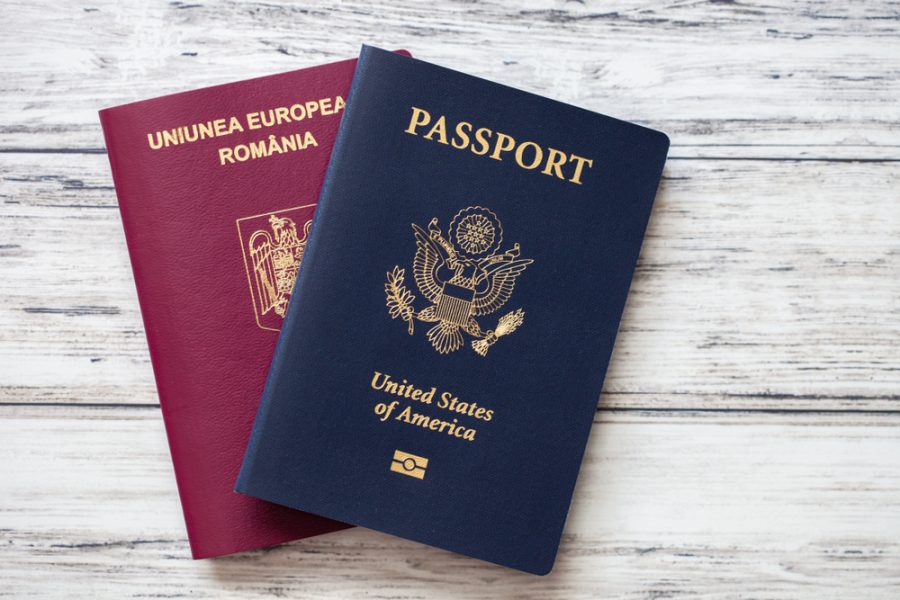
- Hold two passports: Make sure you check reentry requirements prior to traveling. For example, U.S. citizens are required to show their U.S. passports before entering.
- Own property in both countries: This can be particularly useful if you’re from a country with strict ownership requirements.
Drawbacks of dual citizenship
Depending on which countries you hold allegiance to, you could run into the following issues:
- Competing civic duties: Some countries expect you to serve in their military for a certain amount of time. If you’re a U.S. citizen, you may become an expatriate if you join a competing foreign nation’s armed forces.
- Double taxation: You may have to pay taxes for income earned domestically and abroad. In the U.S., the IRS requires you to report foreign income, even if another country has already taken a deduction.
- Barriers to certain jobs: Some countries bar dual citizens from holding senior roles in the government and military. Examples include Australia, Colombia, and the Philippines.
These drawbacks are not universal and laws can change over time in the U.S. or other countries. Manifest immigration attorney Ana Gabriela Urizar says people should check with an immigration attorney prior to making a decision. “You should look for someone who understands the nuances of both domestic and foreign duties,” she says. “As of now, the U.S. doesn’t preclude you from having other citizenships if you’re a dual citizen, but other countries do.”
How to apply for dual citizenship in the U.S.
Depending on how you qualify for U.S. citizenship, your application process will differ.
Current U.S. citizens
Federal law does not require current U.S. citizens to report that they naturalized elsewhere. However, a foreign nation may require them to declare or renounce their initial nationality. Whether you can keep your American citizenship depends on your country’s specific laws.
Current citizens of another country
Many foreign nationals become dual U.S. citizens through the naturalization process. This can often be a lengthy process, and involves obtaining permanent residence beforehand.
Naturalized U.S. citizens take an Oath of Allegiance to renounce their loyalty to other nations. USCIS does not require them to lose their original citizenship, but whether they can keep it depends on their home country’s laws.
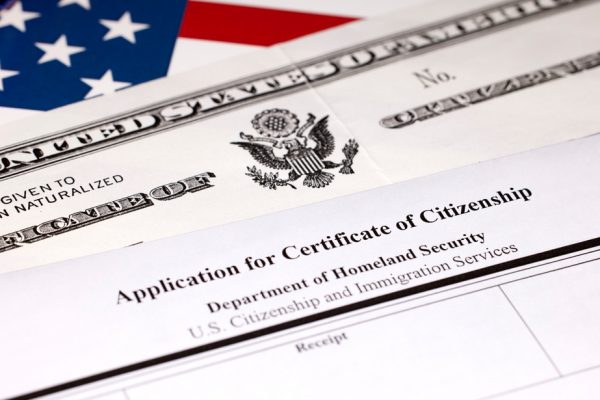
Children of U.S. citizen parents born abroad can also become dual citizens by obtaining a certificate of citizenship. This process is different from naturalization, as it involves filing Form N-600 and does not require applicants to take an updated civics assessment.
Requirements to become a dual U.S. citizen via naturalization
Foreign nationals looking to become American citizens have to go through several steps to prove their allegiance to the U.S. These include:
- Fulfilling the requirements needed to file Form N-400
- Submitting biometrics to USCIS
- Passing the citizenship test and interview
- Taking the Oath of Allegiance
| 💰 Curious to see how much it costs to become a U.S. citizen? Check out our guide to see the latest filing fees from USCIS, as well as how to qualify for waivers. |
What is the Exclusive Citizenship Act of 2025 and what does it mean?
In December 2025, Congress introduced the Exclusive Citizenship Act of 2025. If this bill gets passed, it would bar U.S. citizens and nationals from having multiple nationalities.
What the Exclusive Citizenship Act proposes
For existing dual citizens, the act proposes that you would have to submit either:
- A written renunciation of their foreign citizenship to the Secretary of State, or
- A written renunciation of their U.S. citizenship to the Secretary of Homeland Security.
Failure to renounce within a year of its enactment could result in expatriation. Existing U.S. citizens who obtain a foreign citizenship would also lose their American nationality under this proposed law.
Manifest attorney Urizar says current and future dual U.S. citizens should:
- Keep track of policy updates.
- Consult with an immigration attorney if the bill becomes ratified.
- Don’t make sudden decisions on your nationality yet.
Most importantly, Urizar recommends that those affected should not make any sudden decisions. “The good news is that this bill hasn’t been passed by Congress, which means you can continue to remain a citizen of the U.S. and another foreign country,” she says. “If it does get passed, an immigration attorney can walk you through what to do.”
Professional guidance for those seeking dual U.S. citizenship. Manifest’s immigration attorneys can offer you tailored feedback on whether you can or should hold multiple nationalities. Request a consultation to learn more.
Dual citizenship in the U.S. FAQs
Does the US allow citizens to have dual citizenship?
Yes, the U.S. allows citizens (and nationals) to have dual citizenship with foreign nations. However, some nations don’t allow you to have American citizenship.
What countries allow American dual citizenship?
Most countries allow people to become dual citizens, but some do not or require you to renounce ties to the U.S. To see if you can hold both your birth and American nationality, check your home country’s laws.
What is the downside of dual citizenship?
Potential downsides to dual citizenship include conflicting civic duties, double taxation, and barriers to public office.
Do dual citizens pay double taxes?
It depends on your home country. The U.S. and several other foreign countries require their citizens to report all income, including wages earned abroad.
Are there new rules for dual citizenship in the U.S.?
As of early 2026, there are no recent rule changes for Americans to be eligible for dual citizenship. There was a proposed bill to end dual citizenship, but it’s unlikely to become law in the near future.
When will the dual citizenship bill be voted on?
A proposed bill called the Exclusive Citizenship Act of 2025 would end dual citizenship for Americans, but there is no planned vote for the bill. The bill cannot become law without a formal vote, and Congress has not yet shared any plans to move forward with the bill.