


Certificate of Naturalization: What It Is, How to Use It, and Replacements
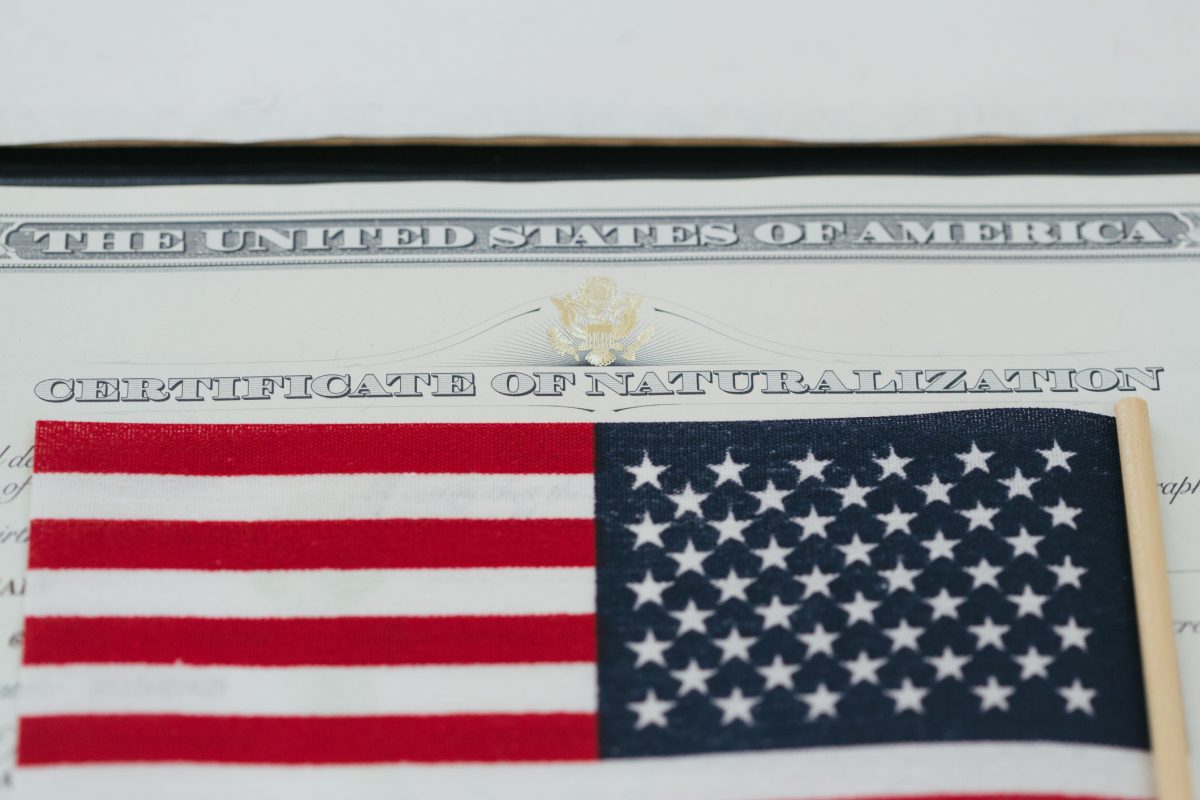
- A Certificate of Naturalization is issued to people born outside the U.S. who become citizens through the naturalization process.
- You do not need to renew a Certificate of Naturalization—it does not expire once issued.
- If you were born in the U.S., you are a citizen by birth and do not need a Certificate of Naturalization.
- The certificate reflects information at the time of naturalization, so you must replace it if you later change your name or personal details.
Foreign nationals who become U.S. citizens through the naturalization process receive an official document called a Certificate of Naturalization. While it’s not something you use every day, it’s one of the most important records of your U.S. citizenship.
| 🧑⚖️Clear guidance, without the legal jargon. This article is informed and reviewed by Manifest Law’s experienced immigration attorneys—and written to make the law make sense. Because you deserve to understand the system, not fight it. Check out our editorial policy for more info. |
What is a Certificate of Naturalization?
The Certificate of Naturalization (Form N-550) is an official document that proves you are a U.S. citizen. It is given to people who were born outside the United States and later became citizens through naturalization.
If you were born abroad, became a lawful permanent resident (Green Card holder), and later applied for and completed naturalization, you likely received a Certificate of Naturalization as part of the process. U.S. citizenship does not expire, and neither does your Certificate of Naturalization.
Note that children don’t need to naturalize and therefore won’t receive a Certificate of Naturalization if either of the following is true:
- If the child derives citizenship from their U.S. citizen parent before they turn 18
- If the parent naturalizes (becomes a citizen) before the child turns 18
Subscribe to our newsletter for immigration resources and news, without the legal jargon.
How to get a Certificate of Naturalization
Green Card holders who choose to naturalize are issued a Certificate of Naturalization by USCIS (U.S. Citizenship and Immigration Services). Naturalization is possible only after meeting eligibility requirements—like maintaining continuous residence (usually for five years or three if you’re married), demonstrating good moral character, and other basic criteria.
- Fill out the naturalization application Form N-400
- Pay the filing fee for Form N-400
- Pass a civics test at a naturalization interview
- Swear the Oath of Allegiance at a naturalization ceremony
Key features of the Certificate of Naturalization
The Certificate of Naturalization is a formal, security-protected document that includes a raised seal and official formatting designed to prevent fraud.
Other important information contained in the document:
- Your full legal name
- The passport photo you used for your naturalization application
- Certificate number
- USCIS (INS) registration number
- Birth date and birthplace
- Sex and marital status (at the time the certificate was issued)
- Date you became a citizen
- Country of your former nationality
- Your signature
- Signature of the USCIS official who administered the oath
Where is the Certificate of Naturalization number?
The number (historically known as the C-file number) is an eight-digit number printed in red on the upper-right-hand corner of the certificate following the word “No.” The certificate has been redesigned throughout the years, but you can still find the Naturalization number in this spot.
The Certificate of Naturalization number is separate from the A-number, your USCIS registration number, which also appears on the certificate.
When do you need the Certificate of Naturalization?
Your Certificate of Naturalization is typically required when you need to prove your citizenship with a government agency or receive government benefits. You may be asked to provide a copy of the certificate or your Certificate of Naturalization number when you:
- Apply for federal or state benefits, including Social Security
- Apply for a passport or replace one
- Go through employment eligibility verification, as through I-9 eligibility
Certificate of Naturalization vs. Certificate of Citizenship
Both certificates are citizenship documents for people born outside of the country, but which one applies to you depends on how your citizenship was obtained. Here are the differences at a glance:
| Certificate of Naturalization | Certificate of Citizenship | |
| Who it’s for | People born outside the U.S. who have an immigrant visa, permanent residence | People born outside the U.S. who became citizens automatically through a U.S. citizen parent |
| How do you get citizenship | After holding a Green Card/having permanent resident status and meeting eligibility requirements | Through parents |
| Who issues it | USCIS | USCIS |
| Filing form | Form N-400 | Form N-600 |
| Replacement forms | Form N-565 | Form N-565 |
Replacing your Certificate of Naturalization
If you need to replace your Certificate of Naturalization, you can do so by filing Form N-565 with the USCIS either electronically or by mail. The filing fees are $505 and $555, respectively. While you’re waiting for a replacement, a valid U.S. passport can usually serve as proof of citizenship.
People most often need a replacement certificate if the original was lost, stolen, or destroyed, or if they need to update personal information due to a change or an error on the document.
Depending on the reason you’re requesting a replacement, you’ll need to submit some supporting documents along with a signed Form N-565, such as the original document (if available), recent photographs of yourself, and documents attesting to the reason you need a replacement.
When you receive a replacement certificate, it is officially called Form N-570.
If you need help replacing your certificate, correcting an error, or understanding how it fits into a broader immigration or family sponsorship process, working with an experienced immigration attorney can save time and prevent costly mistakes.
👉 Request a consultation with Manifest Law’s experienced immigration lawyers and get the clarity you need to move forward.
Certificate of Naturalization FAQs
Is the Certificate of Naturalization the same as the Naturalization Certificate Receipt Number?
No. The Naturalization Certificate Receipt Number is a receipt and tracking number USCIS assigns to your application, including Form N-400 or Form N-565, while it’s being processed. It appears on USCIS notices and is used to check your case status, but it is not proof of citizenship like a Certificate of Naturalization.
Is a Certificate of Naturalization the same as a birth certificate?
No. A birth certificate proves when and where you were born while a certificate of naturalization is proof of citizenship. If you were born in the United States, you were a citizen at birth and would not receive a naturalization certificate.
How do I know if I have a Certificate of Naturalization?
If you were born outside the United States and became a U.S. citizen after applying through the naturalization process, you should have received a Certificate of Naturalization at your oath ceremony. If you became a citizen automatically through a U.S. citizen parent, you can request a Certificate of Citizenship instead, if you need it.
Do I need a Certificate of Naturalization if I have a U.S. passport?
If you already have a U.S. passport, you’ve already proven your citizenship, since citizenship is required to obtain one. In many everyday situations, a passport is all you need. That said, a U.S. passport and a Certificate of Naturalization aren’t perfect substitutes. Naturalized citizens will need their certificate, specifically the naturalization number, to apply for government benefits, and a passport cannot replace it in those cases. Likewise, the certificate can’t be used for travel the way a passport can.
For children under 18 who derived their citizenship from their parents, it’s recommended to apply and receive a Certificate of Citizenship, says Ana Gabriela Urizar, immigration attorney at Manifest Law.