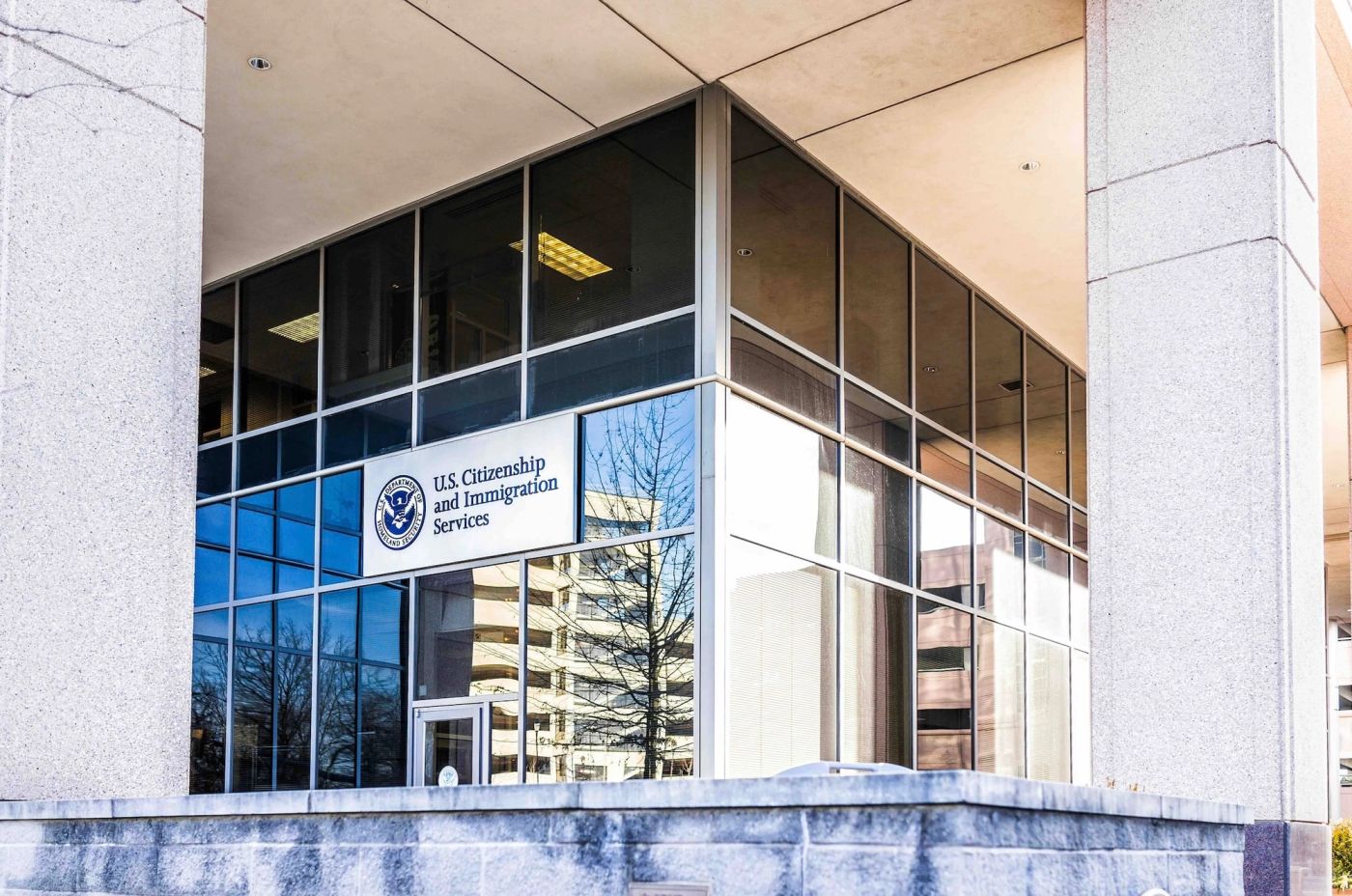
The naturalization process has become harder. On September 17, USCIS announced that applicants will take an updated citizenship test. This new version has more questions that focus more on U.S. politics and history. USCIS will also reintroduce “neighborhood investigations” to further vet candidates.
These updates from USCIS may make the path to citizenship more challenging. Below, we explain the changes and how you can apply to become a future American citizen.
Curious if you can become a U.S. citizen? Most permanent residents can request naturalization after five years, but those married to American citizens may apply after three years. Certain children or spouses of U.S. citizens, and military service members may even qualify in less than three years through a process called 'expedited naturalization.'
What’s changing with the U.S. citizenship test?
USCIS is reintroducing a revised version of the 2020 citizenship test. The federal agency first introduced this test during the first Trump administration.
In the 2020 assessment, candidates answered 20 questions out of a pool of 128. To pass, test-takers had to submit 12 correct responses.
When former President Biden took office in 2021, USCIS went back to the previous 2008 version of the citizenship test. In it, test-takers had to answer six out of 10 questions from a pool of 100.
The new 2025 citizenship test brings back the 2020 version’s format (128 total questions, 20 asked) but adds updated questions on recent U.S. history and government.
Here’s how the three standardized versions of the U.S. citizenship compare:
| Version | Total Questions | Questions Asked | Correct to Pass | Passing Rate | Notes |
|---|---|---|---|---|---|
| 2008 | 100 | 10 | 6 | 60% | First standardized citizenship test put in place at the end of the Bush administration. Used under Obama, Trump, and Biden. |
| 2020 | 128 | 20 | 12 | 60% | Introduced at the end of the first Trump administration. Used until 2021 under Biden. |
| 2025 | 128 | 20 | 12 | 60% | Brings back the 2020 format with minor updates to content and the way it’s administered. |
The rate required to pass has remained 60% since 2008, but now applicants must study 28 more questions and answer twice as many right. The test also includes harder questions about recent U.S. history and government.
The way immigration officers administer the test stays the same. The 2025 assessment ends once a person gets 12 questions right or 9 wrong. In 2020, officers had to ask all 20 questions no matter what.
USCIS has also made it harder to skip the test due to medical or disability reasons. Immigration officers are now reviewing exemption requests more carefully.
What other changes has USCIS made to the naturalization process recently?
In August 2025, USCIS made several more changes to increase scrutiny during the naturalization process. For example, a lack of criminal behavior is no longer enough to showcase good moral character. Instead, USCIS has told immigration officers to place more emphasis on positive behavior and contributions to the U.S.
The federal agency also stated it would resume “personal investigations” (also called “neighborhood investigations”) for select U.S. citizenship applications. In these, an officer would ask for testimonials who can confirm if someone qualifies.
USCIS stopped doing these investigations in 1991 because they slowed down citizenship applications. Now, the agency plans to bring them back when a case doesn’t have enough testimonials from fellow U.S. residents.
Henry Lindpere, Senior Counsel at Manifest Law, explains: “Previously, demonstrating that an applicant had a clean record and had paid their taxes was sufficient to meet the good moral character requirement for naturalization. Now, I would look for affirmative examples of how someone contributes to their community. That could include letters from their friends, neighbors, religious leaders, or nonprofits where the applicant has participated. Also, evidence of membership in civic or religious organizations, or donations to nonprofits could be helpful.”
How can U.S. permanent residents prepare for the new U.S. naturalization process?
For permanent residents, studying for the naturalization test should be the utmost priority. Henry Lindpere clarifies: “If you fail the test, your case cannot be approved by the officer and you will need to try again another time. So it is critical to prepare for the test and go in with confidence.”
USCIS has already posted the 2025 citizenship assessment online. Immigration officers will not ask questions outside of this list, so it’s wise to use the government’s official materials to prepare.
Beyond test preparation, submitting strong documentation and references remain key to the naturalization process. To reduce the chance of an investigation, always include support letters that speak for your character.
If you’re filing an N-400 petition, having an immigration lawyer can make a big difference. Prospective applicants find an experienced attorney who knows how to present evidence. At Manifest Law, we turn documents into a strong narrative that immigration officers can understand.
Interested in applying for U.S. citizenship? Our immigration lawyers know how to present persuasive cases to USCIS. Request a consultation today to begin your journey.
About the Author

Staff Writer
Caryl Espinoza Jaen is a Nicaraguan-born staff writer for Manifest Law. As a writer, he strives to cover complex topics like immigration policy with clarity, accuracy, and precision.
Read bioReviewed By

Senior Immigration Attorney at Manifest Law
Henry is an Estonian American attorney licensed in Arizona with broad experience in employment-based immigration. He handles EB-1A, EB-2 NIW, O-1, and E-2 cases for founders, professionals, and creatives across industries worldwide, and has helped hundreds of clients achieve successful outcomes.
Read bioShare this article: