Key Takeaways
- Eligibility for U.S. citizenship requires Green Card status, continuous residence, physical presence, and good moral character.
- Filing Form N-400 starts the naturalization process—ensure accuracy and include all necessary documents to avoid delays.
- The naturalization interview is crucial; prepare for the civics and English tests to improve your chances of success.
- After citizenship, you can vote, sponsor family members, and apply for a U.S. passport.
Becoming a U.S. citizen is an exciting and important event. It gives you new rights and opportunities and helps you feel more connected to your community. The naturalization process is the official way to become an American citizen.
In this guide, we'll explain everything you need to know about becoming a U.S. citizen. We'll cover the eligibility requirements, a step-by-step breakdown of the process, and what you can expect after you become a naturalized citizen:
Clear guidance, without the legal jargon. This article is informed and reviewed by Manifest Law’s experienced immigration attorneys—and written to make the law make sense. Because you deserve to understand the system, not fight it. Check out our editorial policy for more info.
What is Naturalization and Why Does It Matter?
Naturalization is how people with Green Cards become U.S. citizens. As a naturalized citizen, you get important rights and duties. The main differences between a permanent resident and a citizen include the right to vote, hold public office, and sponsor relatives to come to the U.S.
Eligibility Requirements for U.S. Citizenship
To apply for U.S. citizenship, you must meet certain USCIS eligibility criteria:
- Be a lawful permanent resident or other eligible category: You must have a Green Card for at least five years. If you’re married to a U.S. citizen, the waiting time is shorter at three years. This is known as the three-year rule. Military service members and some children may also qualify.
- Be at least 18 years old: You must be at least 18 years old when you file Form N-400, the official application for naturalization.
- Continuous residence: You must have lived in the U.S. as a lawful permanent resident for at least five years. If you’re married to an American citizen, that requirement is three years.
- Physical presence: You also need to have been physically present in the U.S. for at least half of that time. If you work in certain jobs overseas, like the U.S. military service, these rules may not apply.
How Much Travel is Too Much? If you want to apply for citizenship, avoid long or frequent international trips during your waiting period. Spending more than 180 days a year abroad may affect your continuous residence and physical presence. This could hurt your chances of being approved for citizenship.
- Good moral character: U.S. Citizenship and Immigration Services (USCIS) asks that you show good moral character for the five years before you apply for citizenship. This includes obeying laws, avoiding certain crimes, and being a responsible member of your community.
- English language and civics knowledge: You must read, write, and speak basic English. You also need to understand U.S. history and government. A USCIS officer will test you on these subjects during your naturalization interview.
- Oath of Allegiance: The Oath of Allegiance ceremony is the final step in the naturalization process. During the ceremony, you must promise to support the U.S. Constitution.
Do Children Qualify for Citizenship?
You must be 18 to file Form N-400. However, that doesn’t necessarily mean your children aren’t eligible for citizenship.
Under the Child Citizenship Act (CCA), children of American citizens can get automatic citizenship if:
- They are a lawful permanent resident with a Green Card
- They are under the age of 18
- At least one parent is a U.S. citizen
- They are in the legal and physical custody of their U.S. citizen parent or a legal guardian (if their U.S. citizen parent is deceased)
If a child derives citizenship this way, they are already a U.S. citizen. They do not apply for citizenship through an N-400. Instead, they can:
- Apply directly for a U.S. passport or
- File Form N-600 to get a Certificate of Citizenship as official proof
Tip: The N-400 is for people who are not yet citizens and want to become one. The N-600 is for someone who is already a citizen but needs a formal document proving it.
If your child lives outside the U.S. most of the time, they may not get automatic citizenship, but if they meet the above criteria while residing in the U.S., they can skip naturalization and go straight to applying for proof of citizenship.
The Naturalization Process: Step-by-Step
Step 1: Check Your Eligibility
Make sure you meet the eligibility requirements before applying. If you have questions, talk to an immigration attorney. They can review your case and help you plan the best next steps.
Step 2: Prepare and File Your Application for Naturalization (Form N-400)
Once you’ve confirmed you’re eligible, here’s what you need to know to file Form N-400:
- Who files Form N-400? You can file the form yourself, or an immigration attorney can do it for you. If you use an attorney, they must file Form G-28 along with your application.
- What’s the application process? You can file Form N-400 online or send a paper copy in the mail. If you use a paper form, write clearly with black ink and avoid cross-outs. Make sure to include your A-Number on each page and sign the form.
- What documents are required? Submit copies of your Green Card, passport photos, and proof of residency with your application. Depending on your case, you may need to submit additional documents, like marriage certificates or tax agreements. For a full list of required documents, check the USCIS website.
- What are the filing fees? The USCIS filing fee for Form N-400 is $710 online or $760 by mail. Certain applicants may qualify for a reduced fee or a fee waiver. This includes low-income and military service applicants.
- What are the processing times for Form N-400? Processing times vary. Check the USCIS website for current processing times.
Henry Lindpere, Senior Immigration Counsel at Manifest, explains: “Many other USCIS cases are processed entirely in big service centers, but N-400 applications are processed at local USCIS field offices because all applicants must attend an interview. Processing times can vary significantly because USCIS offices in large metro areas with a high immigrant population are going to be very busy, whereas some smaller offices may have wide availability for officers to schedule interviews. For example, I filed a case in Tucson, Arizona, in July, and my client got an interview in September. But I have also seen people waiting more than a year at busy offices like Miami, Florida.”
Step 3: Attend Your Biometrics Appointment
After you file, USCIS will send you a Form I-797 notice to confirm your application was received. Soon after, you'll get a second notice with details for your biometrics appointment. At this appointment, you'll provide fingerprints, photos, and your signature. USCIS uses these for background checks.
Arrive at your appointment on time with all required documents.
Step 4: Prepare for and Attend Your Naturalization Interview
After biometrics, you’ll be scheduled for your naturalization interview. During the interview, a USCIS officer will ask questions about your application, background, and eligibility. You’ll also take the required English test and civics test, which covers U.S. history and government. If you’re older and/or have certain disabilities or health conditions, you may be exempt from one or both of these tests.
This interview is a big part of the USCIS decision. Show up prepared and on time.
Step 5: Receive a Decision from USCIS
After your interview, USCIS will decide on your application. You’ll get one of three decisions:
- Approved: USCIS will schedule you for the Oath of Allegiance ceremony.
- Continued: USCIS needs more information, or your interview was not complete. You’ll get a notice from USCIS that explains what you need to do next.
- Denied: USCIS decided that you don’t meet the naturalization requirements. If you receive a denial from USCIS, consult with an experienced immigration attorney to explore your options.
Tip: How you navigate each step of the naturalization process is important for USCIS's decision. An immigration lawyer can support you at each step and help you get the best results. For more information on how Manifest Law can support you as you pursue U.S. Citizenship, request a consultation today.
Step 6: Take the Oath of Allegiance Ceremony
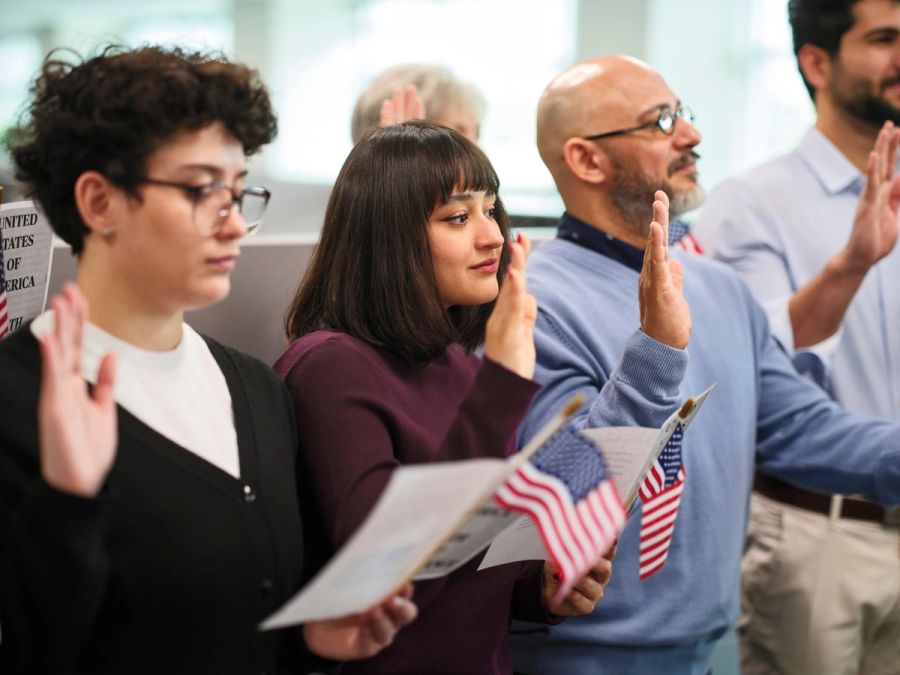
If your application is approved, the final step to becoming a citizen of the United States is the Oath of Allegiance ceremony.
The Oath of Allegiance ceremony has a few key parts:
- Before: When you arrive, you’ll check in with USCIS and turn over your Permanent Resident Card.
- During: During the ceremony, you'll swear loyalty to the United States. After your pledge, you’ll officially become a U.S. citizen.
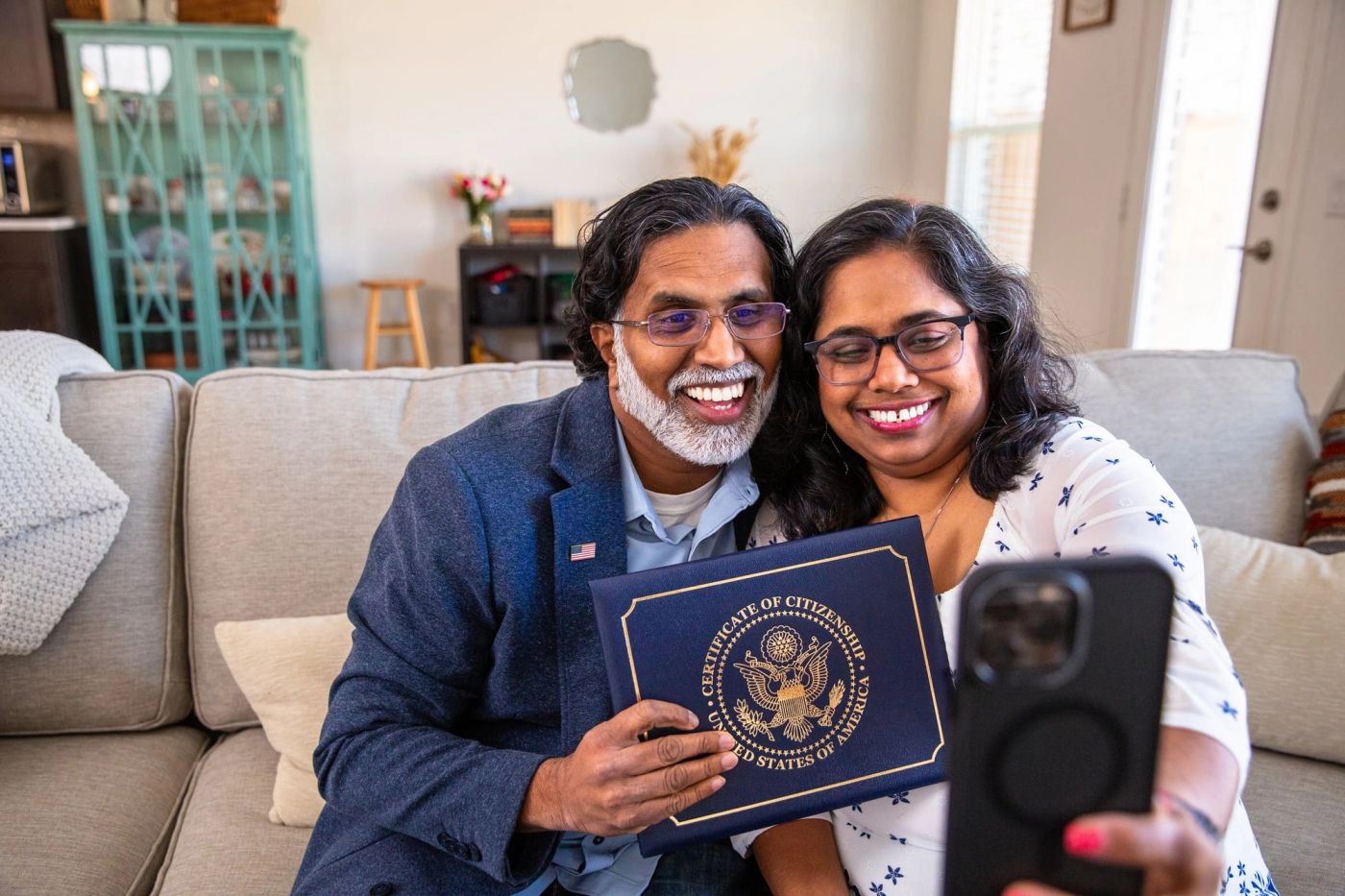
- After: After the ceremony, you’ll receive your Certificate of Naturalization, also known as a Certificate of Citizenship. This certificate serves as proof of your U.S. citizenship.
Did You Know? There are two types of Oath of Allegiance ceremonies. If the ceremony is run by the court, it’s a judicial ceremony. If USCIS runs it, it is an administrative ceremony.
What Happens After You Become a U.S. Citizen?
When you become a citizen, you unlock new rights and opportunities. For example, as a U.S. citizen, you can:
- Vote in national elections
- Apply for federal jobs
- Sponsor certain relatives, like parents or siblings, to live in the States
- Apply for a U.S. passport
As a citizen, you will have the full protection and benefits of U.S. law. You’ll also need to fulfill certain civic requirements, like jury duty.
U.S. Citizenship: The Final Step to Belonging
Becoming a naturalized citizen is a huge achievement. It shows hard work and commitment to the country. It allows you to fully enjoy American life.
But successfully going through the naturalization process needs care, planning, and a good plan. At Manifest Law, we understand the importance of securing U.S. citizenship, and we’re here to walk you through every step of the process. Whether you’re ready to file your Form N-400 or just need some advice, our experienced immigration attorneys are here to help.
Ready to take the next step toward United States citizenship? Request a consultation with Manifest Law today.
FAQs About the Naturalization Process
Can I have dual citizenship as a U.S. citizen?
Yes, the U.S. allows dual citizenship as long as the other country’s laws allow it.
What if I made a mistake on my Form N-400 after filing?
If you find a mistake on your application, tell USCIS right away. You may need to file an updated form. You can also fix mistakes during your interview.
Do I need to reapply if my naturalization application is denied?
If your application is denied, you may be able to appeal the decision. You might also be able to reapply later after fixing the issues that caused the denial. Talk to an immigration attorney to find your best next steps.
How long after my interview will I take the Oath of Allegiance?
It varies. Some applicants take the oath on the same day as their interview. If a same-day ceremony isn’t available, USCIS will send Form N-445. This form tells you the date, time, and location of your ceremony, which may be weeks or months after your interview.
About the Author

Contributing Writer
Deanna DeBara is a freelance writer with a decade of experience covering a variety of topics, including immigration law. When she's not writing, she enjoys baking, dancing, hiking the PNW, and spending time with her rescue pups.
Read bioReviewed By

Senior Immigration Attorney at Manifest Law
Henry is an Estonian American attorney licensed in Arizona with broad experience in employment-based immigration. He handles EB-1A, EB-2 NIW, O-1, and E-2 cases for founders, professionals, and creatives across industries worldwide, and has helped hundreds of clients achieve successful outcomes.
Read bioShare this article: