


N-400 Processing Times in June 2026: What to Expect and How to Prevent Delays
- As of June 2026, USCIS takes between 8 to 13 months to process Form N-400.
- Through an N-400 application, Green Card holders can begin the naturalization process to become U.S. citizens.
- Processing times vary by your location, as some USCIS field offices take significantly longer to adjudicate Form N-400.
- To avoid delays, file early and include complete and accurate documentation.
Processing times for an N-400 application currently span between 8 to 13 months. Also known as the application for naturalization, this form marks the first official step many permanent residents take to become American citizens.
While many consider this an exciting milestone, the uncertainty of wait times can make these last few months feel like the longest stretch of the entire immigration process. Luckily, the latest data from USCIS suggests that most naturalization cases are often adjudicated in less than a year.
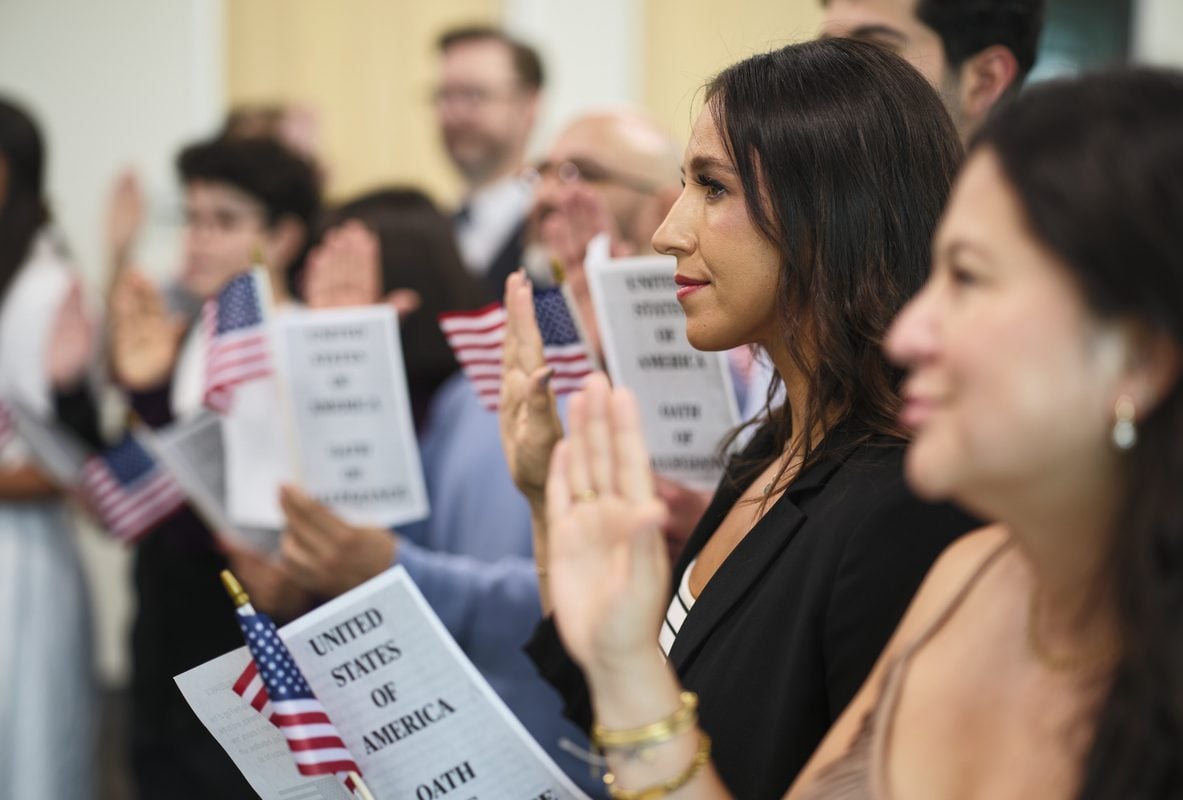
| Example: Most Green Card holders file Form N-400 application five years after obtaining permanent residence, though some marriage-based cases can do this after 36 months. After you file a naturalization application, you must complete a few additional steps before USCIS can approve your application. Namely, you must go through a biometrics screening, pass the U.S. citizenship test, and attend an Oath ceremony with a USCIS officer. |
Current June 2026 Processing Times for Form N-400
As of June 2026, USCIS takes between 8 to 13 months to complete 80% of N-400 applications.
| FORM N-400 WAIT TIMES | |
| Filer | Processing Times |
| Application for naturalization | 8 to 13 months |
Unlike other applications, USCIS provides specific wait times for individual field offices, such as the ten samples listed below:
- Los Angeles, CA: 7.5 months
- Miami, FL: 6.5 months
- New York City, NY: 8 months
- Denver, CO: 10 months
- Detroit, MI: 8.5 months
- Houston, TX: 9.5 months
- Salt Lake City, UT: 9 months
- Washington, D.C.: 9 months
- San Juan, PR: 6 months
- Honolulu, HI: 7.5 months
For a greater breakdown of how long USCIS takes to complete most applications, check out our 2026 processing times guide.
Why Form N-400 wait times differ across USCIS field offices
According to Manifest immigration attorney Ana Gabriela Urizar, several factors can affect the processing time of an individual USCIS service center. High case volume, the number of available staff, and whether a field office has to adjudicate applicants from a large area are just some factors that decide on whether your case gets completed within five or nine months.
However, she notes that it’s not as simple as saying big cities take longer to adjudicate N-400 applications. “For instance, Honolulu has a smaller population than Miami, but the service center there takes more time on average to process each individual case,” she says. “These estimates are also subject to change, so don’t make any rash decisions to relocate to an area with what looks like a ‘shorter’ wait time.
What are factors that can influence Form N-400 processing times?
Below, immigration attorney Urizar breaks down three common scenarios that can delay the adjudication of an N-400 application.
Your tax record
USCIS will not move forward on a naturalization case if its tax history raises questions. Therefore, Urizar recommends submitting the most current tax filings possible to give officers a clear picture from the start, and disclosing whether you’re on an IRS payment plan.
Your arrest and criminal history disclosures
Any arrest, charge, or traffic violation must be disclosed on an initial N-400 petition and backed up with a certified copy of the certificate of disposition, even if it was dismissed. USCIS uses this information to evaluate your good moral character, and a missing document here is one of the fastest ways to trigger an RFE or a denial.
How well you document your physical presence
The N-400 requires you to demonstrate that you’ve met the continuous physical presence requirement. To make your travel history as easy as possible for the adjudicating officer to review, Urizar suggests submitting past visa and CBP stamps, I-94 travel records, and even a clear spreadsheet that logs every departure and re-entry.
Tips to reduce delays in Form N-400 processing times
To reduce the risk of avoidable setbacks, Urizar suggests the following:
- Organizing documents early: Gathering necessary materials, such as proof of continuous residence, well in advance helps you avoid last-minute scrambles for evidence.
- Doing a final review before filing: Make sure you completed your N-400 application fully and with accurate answers. Consult with an attorney if you have any questions or concerns.
- Prioritizing your scheduled appointments: While you can push back your biometrics screening, citizenship test, or Oath appointment, doing so often adds several weeks to your wait time. Try your best to treat these dates as non-negotiable to avoid needless delays.
- Responding to government requests with urgency: If USCIS issues a Request for Evidence (RFE), reply as soon as possible. These requests have strict deadlines, and any delay on your part stops the clock on your pathway to U.S. citizenship.
How Manifest Law can help
Going through the naturalization process can feel overwhelming, especially if you’re unsure how long each step takes. Whether you just began your N-400 application or hit an RFE roadblock, Manifest’s immigration attorneys can offer strategic insights through every milestone required to obtain U.S. citizenship.
If you’re ready to take the next step or need assistance with Form N-400, request a consultation with Manifest today. Our team can help you naturalize with confidence and no stress.
FAQs about Form N-400 processing times
What should I do if my Form N-400 processing time is taking longer than expected?
Through the e-Request portal, you can check the status of your USCIS case. Before you can file a request, you’ll need to enter your receipt date. The website will then let you know if enough time has passed for you to submit an inquiry.
Are N-400 applications processed in the order they’re received?
Not necessarily. Several factors could affect how USCIS processes N-400 applications, including case backlogs and the category you’re filing under.
How do I know when my N-400 application has been approved?
USCIS will issue you an I-797 approval notice. In some cases, you may be able to see an update on your myUSCIS account or through the federal agency’s case status portal.
How does USCIS calculate processing times for Form N-400?
USCIS calculates N-400 processing times by taking the average time 80% of applications are completed in. Remember that these are estimates, and that your individual wait time may differ due to several factors.
Are USCIS’s Form N-400 processing times accurate?
It depends. USCIS processing times can help you estimate how long your N-400 application may take, but they are not guaranteed. The published time frames are based on recently completed cases and can vary by service center and application category. Use them as a general planning tool, not as a promise of when you’ll become a naturalized U.S. citizen.