



Nationality vs. Citizenship: A Complete 2026 Guide
- Citizenship is a formal legal and political status, while nationality can also reflect cultural or ethnic identity.
- All U.S. citizens are U.S. nationals, but not all U.S. nationals are citizens.
- In the U.S., citizenship can be acquired through birth, descent, marriage-based naturalization, or other legal pathways.
- Some countries permit dual citizenship, meaning a person can hold dual nationality at the same time.
Understanding the difference between nationality and citizenship is essential if you’re navigating the U.S. immigration system. The terms are often used interchangeably, but they have different legal meanings. Basically, citizenship is a legal status that grants full political rights, and you can only have it based on the laws of a country. Nationality is more nebulous. It’s typically the country in which you were born, but it can refer to other countries where you have a connection or legal allegiance. Becoming a citizen or national of a country may also be an option after you meet certain requirements.
What is nationality?
Nationality is your connection to a nation, usually because you were born there, but possibly because you were adopted, married, or had ancestors there. It likely grants you some level of rights or legal obligations in the country.
For example, a person born in France to French parents has French nationality, even if they later move abroad.
Under international law, nationality reflects belonging and typically connects you to a country by birth (jus soli, “right of the soil”) or descent (jus sanguinis, “right of blood”). However, someone’s nationality may not always be cut and dry, with different countries having different legal definitions.
Subscribe to our newsletter for immigration resources and news, without the legal jargon.
The rights of nationals
Nationality does not always mean you have full political rights. A unique example is U.S. nationals vs. U.S. citizens. Individuals born in certain U.S. territories, such as American Samoa, are considered U.S. nationals but not U.S. citizens. They owe allegiance to the U.S. and can live and work in the U.S., but they do not automatically have the right to vote in federal elections unless they go through the naturalization process. Also, immigrants with foreign nationalities become U.S. citizens through the naturalization process.
What is citizenship?
Citizenship is a specific legal status granted by a government that gives you full civil and political rights within that country.
For example, the 14th Amendment to the United States Constitution says that a person born in the United States is generally a U.S. citizen at birth (this follows the jus soli principle).
On the other hand, in Japan, you acquire citizenship if at least one of your parents is a Japanese citizen (no matter your birthplace). If this isn’t the case, you don’t acquire citizenship if you were born in Japan.
The rights of citizens
In most democracies, citizenship includes rights such as:
- The right to vote in elections
- The right to hold a passport
- The right to run for certain public offices
- The right to access certain government benefits
Some additional benefits of U.S. citizenship include the ability to serve on a jury, the ability to hold certain federal or law enforcement jobs, and the ability to apply for a Green Card for family members.
| 🧑💼 Curious about the naturalization process? Manifest Law’s experienced attorneys have helped thousands of immigrants and their families secure their future in the U.S. Learn more about family Green Card lawyer options or lawyers for employment-based Green Cards. |
How to gain nationality vs. citizenship
Nationality is generally granted at the time of your birth, though you may gain it through adoption, marriage, or by proving that you’re a national by descent (if laws allow this).
Citizenship is only available based on the laws of an individual country. The most common paths to citizenship are:
- Birth in a country (such as the United States)
- Descent from citizen parents
- Naturalization (a legal process after meeting residency and other requirements)
In the United States, naturalization is the legal process of becoming a citizen. It’s available after you meet residence requirements—usually three to five years as a permanent resident. Naturalization is an option in multiple situations, including after marriage to a U.S. citizen and after adoption by citizen parents
You can also change your citizenship, since it’s a legal status that you can acquire or relinquish voluntarily. Some countries allow you to hold multiple citizenships.
Comparing nationality vs. citizenship
Although closely related, nationality and citizenship are not always identical. As a rule, all citizens are nationals, but not all nationals are citizens.
| Nationality | Citizenship | |
| Defined as | Generally country of birth or descent | Legal and political status where a country recognizes person as a citizen |
| Acquired based on | Birthplace or descent | Law—possibly based on birthplace, adoption, marriage, descent, or naturalization |
| Rights | No guaranteed rights | Depending on the country, the right to vote, hold a passport, access government benefits |
| Can you change it? | No | Yes, through immigration or naturalization |
What is dual nationality vs. dual citizenship?
In many places, including the U.S., the terms dual nationality and dual citizenship are generally used interchangeably. Both describe a person who is legally recognized by two countries at the same time.
Dual citizenship can happen when:
- You are born in one country to parents from another.
- You naturalize in a new country that allows multiple citizenships.
- Your country of origin does not require you to renounce your previous citizenship.
For example, a person born in the United States to Italian parents may automatically hold both U.S. and Italian citizenship, because the U.S. recognizes “right of the soil” citizenship and Italy recognizes “right of blood” citizenship (if at least a parent or grandparent was born in Italy).
However, each country sets its own rules. Some nations allow dual citizenship freely, while others require you to give up your original nationality when you naturalize. Some countries let you have dual citizenship with only certain other countries. This is why it’s important to review both countries’ laws carefully if you are interested in dual citizenship.
Get answers on U.S. nationality vs. citizenship laws
Knowing the differences and benefits of nationality and citizenship will help you make informed decisions throughout your immigration journey. The immigration laws are complex, but you don’t have to navigate them alone. Manifest can help whether you’re considering naturalization, exploring dual citizenship, or clarifying your status as a U.S. national. Request a consultation today to understand your rights, responsibilities, and opportunities under U.S. law.
FAQs on nationality and citizenship
How do I know if I am a dual citizen?
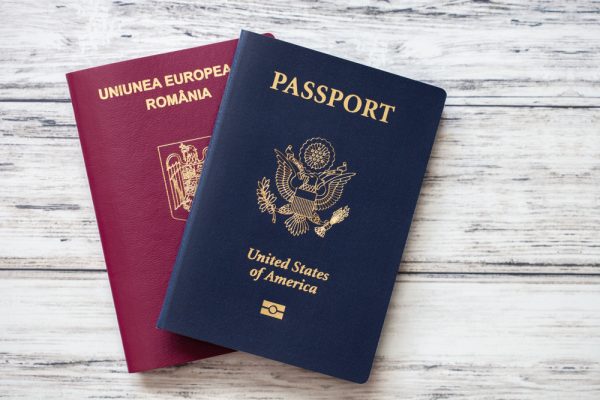
Holding two valid passports typically means you’re a dual citizen, but you can confirm with official government records. You are a dual citizen if two countries legally recognize you as their citizen under their laws (through birthright citizenship and descent, for example). This may happen automatically at birth or after naturalization.
Am I a dual national if I have two passports?
Usually, yes. If two countries have issued you passports, they both recognize you as at least a national but maybe also a citizen. If you are unsure, though, confirm with the governments in question.
What is my nationality if I become a U.S. citizen?
If you naturalize in the U.S., you become a U.S. citizen and a U.S. national. As nationality remains more of a cultural or ethnic concept, you could still be considered a national of your home country if you wish, although you might not retain citizenship.
Can you be a citizen but not a national?
In most countries, you cannot be a citizen without also being a national because citizenship is a subset of nationality. In the United States, citizens are always nationals. However, some U.S. nationals are not citizens, like those born in U.S. territories.