

How Long Does It Take to Get an F-1 Visa in 2026?

- Most students receive an F-1 visa within a few months after getting their Form I-20, though timelines vary.
- The longest delay is often waiting for a visa interview appointment, which could take weeks or several months depending on where you live.
- If approved at your interview, your visa is usually issued within one to two weeks, though additional processing is sometimes required after the interview.
- You cannot speed up government processing times, but applying early and avoiding errors can help prevent delays.
An F-1 visa allows international students to study full-time at approved U.S. schools, colleges, and universities. It’s one of the most common and straightforward paths for coming to the United States (temporarily). The whole F-1 process usually takes a few months or less, but where you live and the wait times at your local U.S. embassy or consulate can make a huge difference.
How long does it take to get an F-1 visa?
Many students complete the F-1 visa process in four to 12 weeks after receiving their Form I-20, but wait times can vary significantly by country and season. Some cases also require additional review, known as administrative processing, which can add weeks of further waiting.
Subscribe to our newsletter for immigration resources and news, without the legal jargon.
The complete F-1 visa timeline
The F-1 visa process begins well before the embassy interview. Here is a typical timeline for international students, starting with school applications:
- Applying to SEVP-approved schools: 2 to 6 months
- Receiving and submitting forms: 2 to 3 weeks after acceptance
- Scheduling your interview: Several weeks to months
- Visa interview: 5 minutes or less in many cases
- Visa issuance: 5 to 14 days
Applying to SEVP-approved schools (2-6 months)
Before you can apply for an F-1 visa, you must first be accepted by a U.S. school that is certified by the Student and Exchange Visitor Program (SEVP). Admissions timelines vary by institution, but at many institutions, you can typically begin applying six to 12 months before your intended start date.
Receiving and submitting forms (2-3 weeks after acceptance)
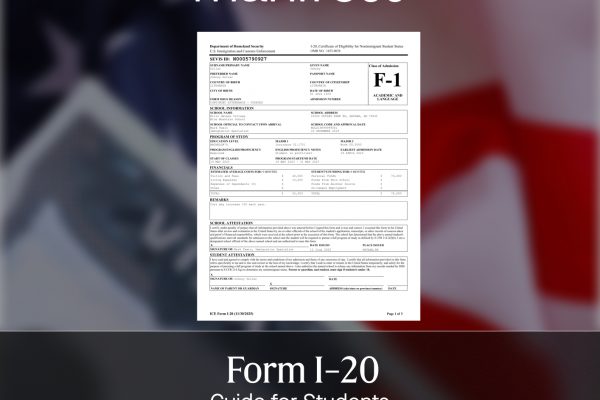
After you’ve been admitted, your school issues Form I-20, which confirms your eligibility for F-1 status and lets you move forward with the visa process. Getting an I-20 from your school may take 10 to 14 days, depending on the school. Timing can vary depending on how quickly you submit required financial documentation and how efficiently the school processes it.
Once you have your I-20, you can pay the SEVIS fee and complete the DS-160, the online nonimmigrant visa application. This is your main application for the student visa, and how long the DS-160 takes is largely up to you. Some applicants may finish it in a few hours, while others take days because they need to gather the correct supporting information. The form does allow you to save your progress and return later, but make sure the information throughout your application matches.
You will need the DS-160 confirmation page to schedule your visa interview, so completing it promptly can help you secure an earlier appointment.
Scheduling your interview (several weeks to months)
As part of the F-1 visa process, you’ll need to have an interview at a U.S. embassy or consulate in your country of residence. This is often the least predictable part of the F-1 visa process in terms of timing.
While the wait time is one month or less in most places, some locations have F-1 interview wait times over six months. Wait times also change over time, especially during the peak of student travel, like spring and summer.
This can take even longer if the officer needs more time to complete vetting of your social media profiles.
Delays and interview appointment availability can change quickly, so it’s best to check the U.S State Department website for the most up-to-date wait times.
Visa interview (5 minutes)
Most F-1 interviews are brief, potentially even more so if you’re prepared. You should be ready to explain your academic plans, how you’re being supported financially, and your intent to return home after your studies. Here’s what to expect at your F-1 interview.
Visa issuance (5-14 days)
Most students receive a decision on their F-1 at their visa interview or through a notice shortly after the interview. If you’re approved, your passport with the visa stamp is typically returned in one to two weeks.
In some cases, your application may require additional review. Known as administrative processing, this could happen for many routine reasons. For example, officials may want to perform further background checks, document verification, or security screening. Administrative processing can add weeks to the wait time. Administration processing does not mean you’re being denied, but it can add weeks or even months to your timeline.
| 🧑💼 Curious how others in your field made it work? Manifest Law’s experienced attorneys have helped thousands of immigrants secure their future in the U.S. Explore our visa approval notices and success stories to learn how we helped founders, researchers, and artists like you turn their stories into winning petitions. |
Get help avoiding F-1 visa delays
Delays in the F-1 visa process are common, but they are not always easy to resolve on your own. Sometimes the issue is as simple as limited interview availability at your local embassy or consulate. In other cases, there may be something wrong with your application (anything from missing documents to a typo), or you may need administrative processing after your interview. Even short delays can cause complications with your academic program, so it’s best to start the process early—especially if your school start date is around the corner.
That’s where an immigration lawyer comes in. While no lawyer can eliminate embassy backlogs or guarantee faster government processing, they can help you identify avoidable mistakes, fill out your forms correctly, and respond strategically to government questions.
At Manifest, we help international students navigate the F-1 visa process, from the initial application through any additional evidence and processing requests.
👉 Request a consultation with Manifest Law’s experienced immigration lawyers now.
FAQs about getting an F-1 visa
Why is it taking so long to get my F-1 visa?
You may experience delays with your F-1 visa because of limited interview availability or because you’ve been placed under administrative processing.
When should I apply for an F-1 visa?
You should begin the visa process as soon as your school sends you the Form I-20. You generally cannot enter the U.S. more than 30 days before your program start date, but F-1 visas can be issued well in advance. Starting several months before your academic term begins is usually the safest approach, particularly if you are applying from a location with long embassy wait times.
How long does it take to apply for an F-1 student visa?
Most students complete the application process in four to 12 weeks after receiving their I-20, though timelines vary by embassy and interview availability. The DS-160 itself can take anywhere from an hour to a few days, or longer, to complete.
How can you get an F-1 visa faster?
You can’t control official processing times, but applying early, completing forms accurately, and scheduling an interview as soon as possible will help avoid delays. In urgent cases, you may request an expedited interview appointment.