



Supreme Court Upholds Birthright Citizenship in Landmark Case
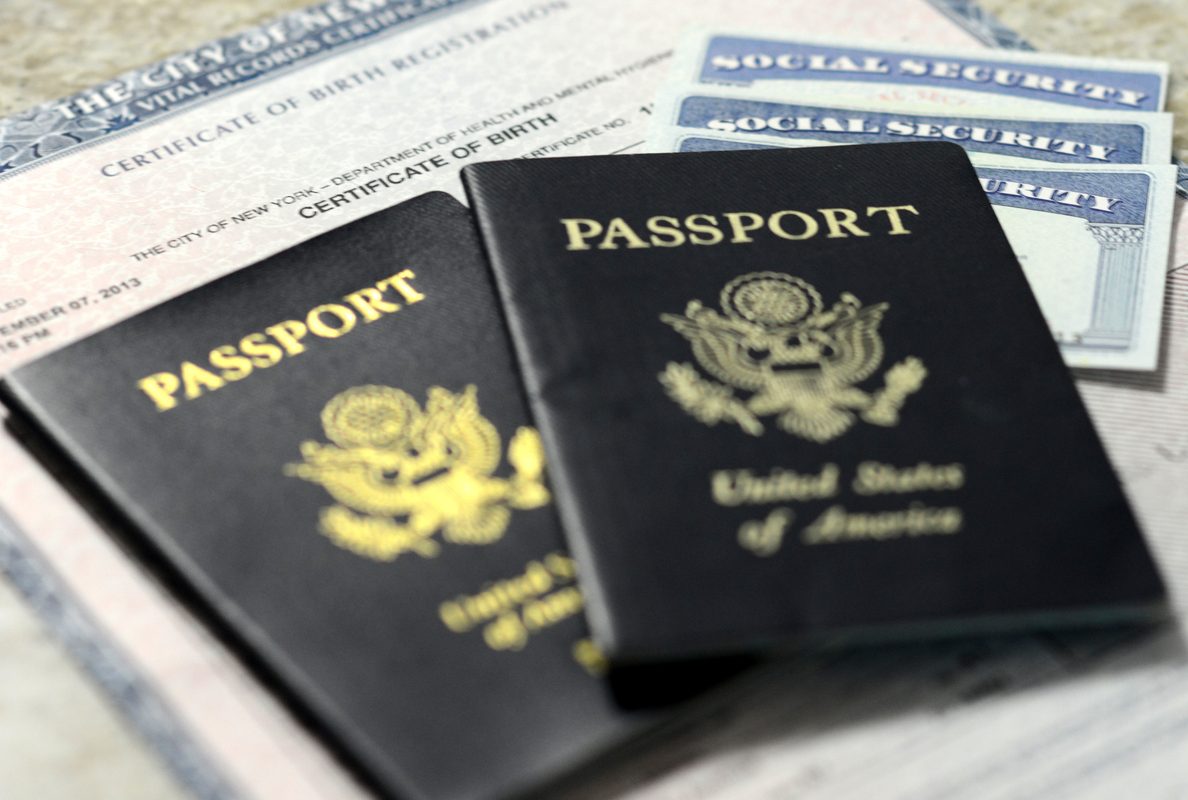
The Supreme Court ruled that children born in the United States to parents who are unlawfully or temporarily present are citizens at birth.
The case challenged Executive Order 14160, which President Trump signed on January 20, 2025. That order stated that these children were not “subject to the jurisdiction” of the United States and thus, not entitled to U.S. citizenship. Chief Justice John Roberts, writing for the majority, ruled that children born on U.S. soil to such parents are citizens under the Fourteenth Amendment’s Citizenship Clause.
This 6-3 decision, issued on June 30, affirms a New Hampshire District Court decision that had previously blocked implementation of the executive order nationwide. Justices Sotomayor, Kagan, Barrett, and Jackson joined Roberts in the majority decision, with Justice Kavanaugh agreeing the order could not stand. Justices Thomas, Alito, and Gorsuch dissented.
The ruling leaves long-standing practice in place: a U.S. birth certificate remains proof of citizenship, and the Trump administration’s executive order imposing limitations on those born to parents unlawfully or temporarily in the United States is unlawful.