UPDATE — June 24, 2026: The White House’s Office of Information and Regulatory Affairs is reviewing the final rule that ends the automatic renewal of work permits. Previously, U.S. Citizenship and Immigration Services implemented this as an interim final rule in October 2025.
If approved, the final rule would continue to end the automatic extension of employment authorization documents for almost all those applying for a renewal of employment authorization. Since the policy went into effect in October 2025, a number of lawsuits have challenged the rule but they remain pending.
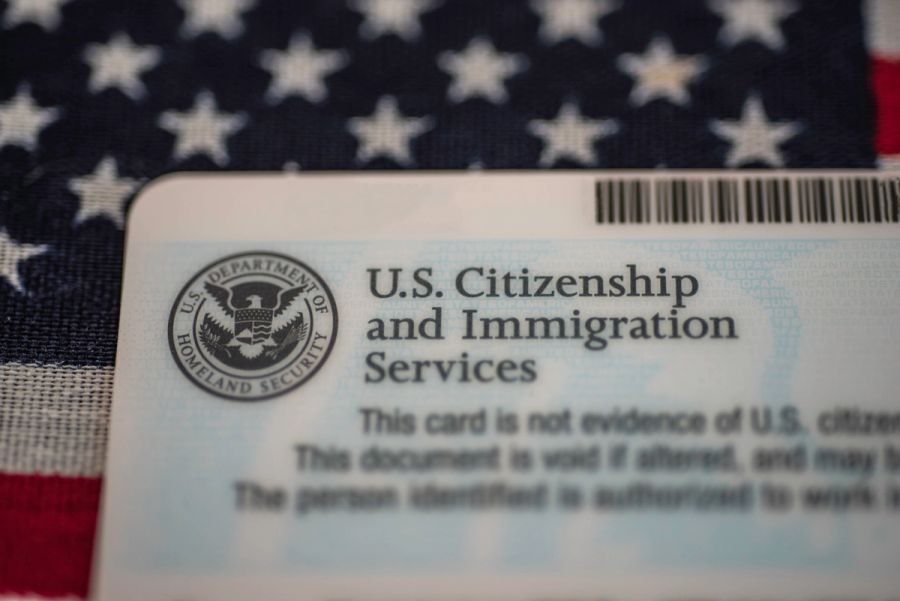
On October 29, 2025, USCIS announced that it would end the automatic extensions granted to foreign national workers requesting a renewal of employment authorization documents (EAD). While in most cases USCIS has up to now given foreign nationals an automatic 540-day extension while their EAD renewal application is pending, it will end this practice starting tomorrow.
Without the auto-renewal of their EADs, foreign nationals with work authorization will need to wait for approval while their EAD renewal is being processed. That means their authorization could expire before the approval is granted, risking their ability to continue working in the U.S.
Henry Lindpere, Senior Counsel at Manifest Law, elaborates: “The automatic extension of work authorization for pending EAD applicants is a common-sense rule that made life easier for hundreds of thousands of students, professionals, and asylum seekers in the United States. Anyone who can file an I-765 online should do so today before midnight to renew their existing EADs.”
He continues, “Starting tomorrow, people relying on EADs to work in the U.S. have to carefully watch their expiration dates and be ready to file as soon as they are eligible — 180 days before the EAD expires — to minimize the likelihood that USCIS does not approve the renewal before the current expiration date.”
What exactly does the DHS ruling do to EAD renewals?
Previously, foreign nationals in most categories who filed Form I-765 before their EAD’s expiration date received an automatic extension if their case remained pending. This policy existed to prevent lapses in people’s ability to work caused by processing delays from USCIS.
Starting October 30, 2025, most foreign nationals requesting an EAD renewal will not receive an automatic extension of their work authorization while their application is pending.
It’s important to note that DHS’s ruling only affects EAD renewals submitted on or after October 30, 2025. If you filed your EAD renewal application before this date, you would have already received the 540-day automatic extension. That remains valid and is not impacted.
Which foreign national workers could be affected by the ending of EAD auto-renewals?
Prior to this change, some of the visa categories that were eligible to receive an automatic EAD extension included spouses on nonimmigrant worker visas like H-1B; refugees; asylum seekers; and those with pending Green Card petitions.
The final rule submitted by DHS states that only those who have received work authorization through Temporary Protected Status, or through another provision of the law, would continue to remain eligible for the auto-extension. That means workers in other visa categories will be ineligible for automatic renewal starting October 30, 2025.
“Until now, most people could maintain their authorization to work in the U.S. with an EAD card even while an extension was pending,” Henry Lindpere, said. “Starting tomorrow, almost everyone except TPS beneficiaries will lose authorization to work if their extension does not get approved before the existing EAD expires.”
Without the ability to receive automatic extensions from USCIS, EAD holders will need to file in advance in order to avoid any lapses in work authorization. Typically, a foreign national can apply for a renewal up to 180 days before their work documents expire, and they should file as early as possible to account for delays in EAD petition processing.
For those affected, the inability to work while awaiting a decision from USCIS could mean a significant loss of income or employment-related benefits like health insurance.
U.S. employers are also affected by the latest policy change. Without automatic extensions, any worker who experiences a lapse in their work authorization would have to pause their employment. Companies would have to update these changes on I-9 compliance systems, as well as re-verify the eligibility of their employees.
How should EAD holders prepare for the new DHS ruling?
Eligible EAD holders with an EAD card expiring in the next 180 days should immediately file for an extension online through their MyUSCIS account.
Because the latest DHS ruling only applies to those who file on or after October 30, 2025, anyone who submits an application before then would receive the automatic 540-day extension of their status. For those who are unable to submit a renewal at this time, filing as soon as you qualify can help mitigate any lapses in EAD status.
Need to file an EAD extension before October 30, 2025? Our team of experienced immigration lawyers can guide you through the policy changes. Request a 30-minute consultation today to learn more.
About the Author

Staff Writer
Caryl Espinoza Jaen is a Nicaraguan-born staff writer for Manifest Law. As a writer, he strives to cover complex topics like immigration policy with clarity, accuracy, and precision.
Read bioReviewed By

Princ. Immigration Attorney
Nicole is the founding legal architect and an immigration attorney with extensive experience across extraordinary ability, employment-based, and investment visas. As the founding legal architect, Nicole helped shape the engine of Manifest Law to serve our clients as effectively and strategically as possible.
Read bioShare this article: