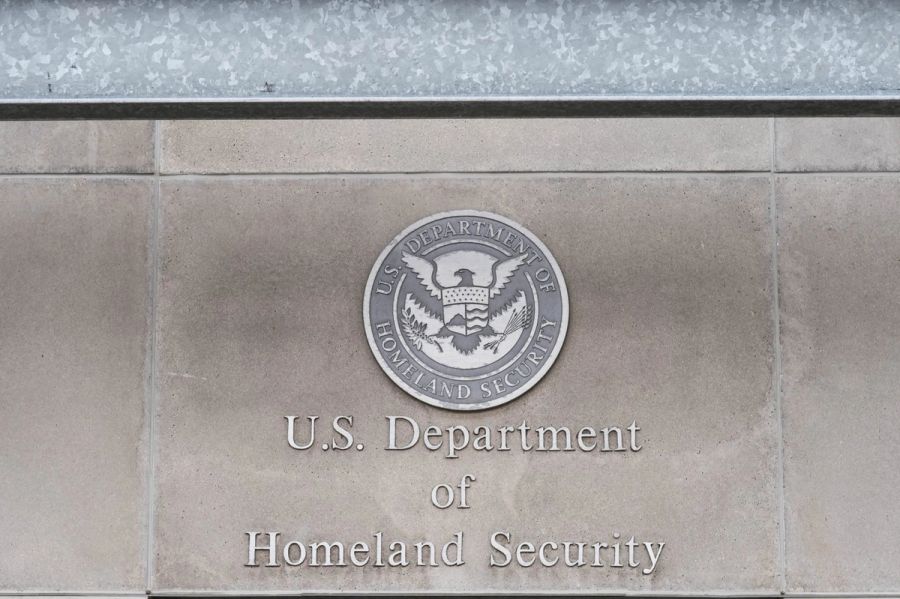
The cost to become a naturalized U.S. citizen may increase by almost 75-80%, according to a June 23 proposal by the Department of Homeland Security.
If the proposed rule successfully goes through the federal rulemaking process, DHS will be able to:
- Raise the N-400 filing fee from $760 to $1,330 for paper filers and from $710 to $1,280 for online filers
- Raise the N-336 (appeal of a naturalization denial) filing fee from $830 to $1,475 for paper filers and from $780 to $1,425 for online filers
- Eliminate the reduced N-400 fee of $380 for households earning at or below 400% of the Federal Poverty Guidelines
- End fee waiver eligibility for both the N-400 and N-336 forms
Fee exemptions would remain in effect for current and former military service members, which are required by law.
In their notice, DHS claims the current naturalization fees do not cover the full cost of reviewing N-400 applications, including background and security checks tied to recent executive orders. The agency says that if it keeps naturalization fees low, it would have to charge more for other immigration benefits.
The public can leave comments on the proposed rule for 60 days after it’s published in the Federal Register. Comments must be submitted in English through regulations.gov, referencing DHS Docket No. USCIS-2026-0265. After the comment period closes, DHS must review the public’s feedback and consider making changes, which can generally take approximately 30-90 days. The new proposed fees won’t take effect unless a final rule is published.
Attorney insights for Green Card holders interested in U.S. citizenship
Below are some insights from Manifest immigration attorney Ana Gabriela Urizar:
- The path to U.S. citizenship is becoming more expensive and, in many respects, more demanding. Over the past few months, we have seen increased scrutiny of naturalization applications, proposed changes to the civics examination that expanded the number of questions and raised the difficulty level, and now a proposal that could increase filing fees by nearly 80%. For many lawful permanent residents, this may be a signal that waiting could result in higher costs and additional hurdles down the road. If you are thinking of applying and you qualify, now might be the best time!
- Eligible Green Card holders should carefully evaluate whether now is the right time to apply. While this fee increase is only a proposal and has not yet taken effect, applicants who already meet the residency, physical presence, and good moral character requirements may benefit from filing sooner rather than later.
- U.S. citizenship remains one of the strongest forms of immigration protection available. Beyond voting rights and access to a U.S. passport, naturalization provides greater security against future immigration policy shifts and eliminates the need for Green Card renewals. For individuals who have been considering citizenship, the combination of proposed fee increases, evolving testing requirements, and ongoing policy changes makes this an opportune time to explore eligibility and begin the process.
About the Author

Staff Writer
Caryl Espinoza Jaen is a Nicaraguan-born staff writer for Manifest Law. As a writer, he strives to cover complex topics like immigration policy with clarity, accuracy, and precision.
Read bioReviewed By

Immigration Lawyer to Manifest Law
Ana Gabriela Urizar is an award-winning immigration attorney licensed in Arizona and New York. With nearly a decade of experience, she advises global corporations on complex U.S. immigration matters. Originally from Guatemala, Ana Gabriela previously spent close to ten years at the world’s largest immigration firm, managing business immigration matters for leading technology, science, and financial companies. She has been recognized by Best Lawyers: Ones to Watch (2027) and Negocios Now’s Tri-State 40 Under 40.
Read bioShare this article: