



New York Fashion Week 2026: Immigration Planning for International Fashion and Creative Talent
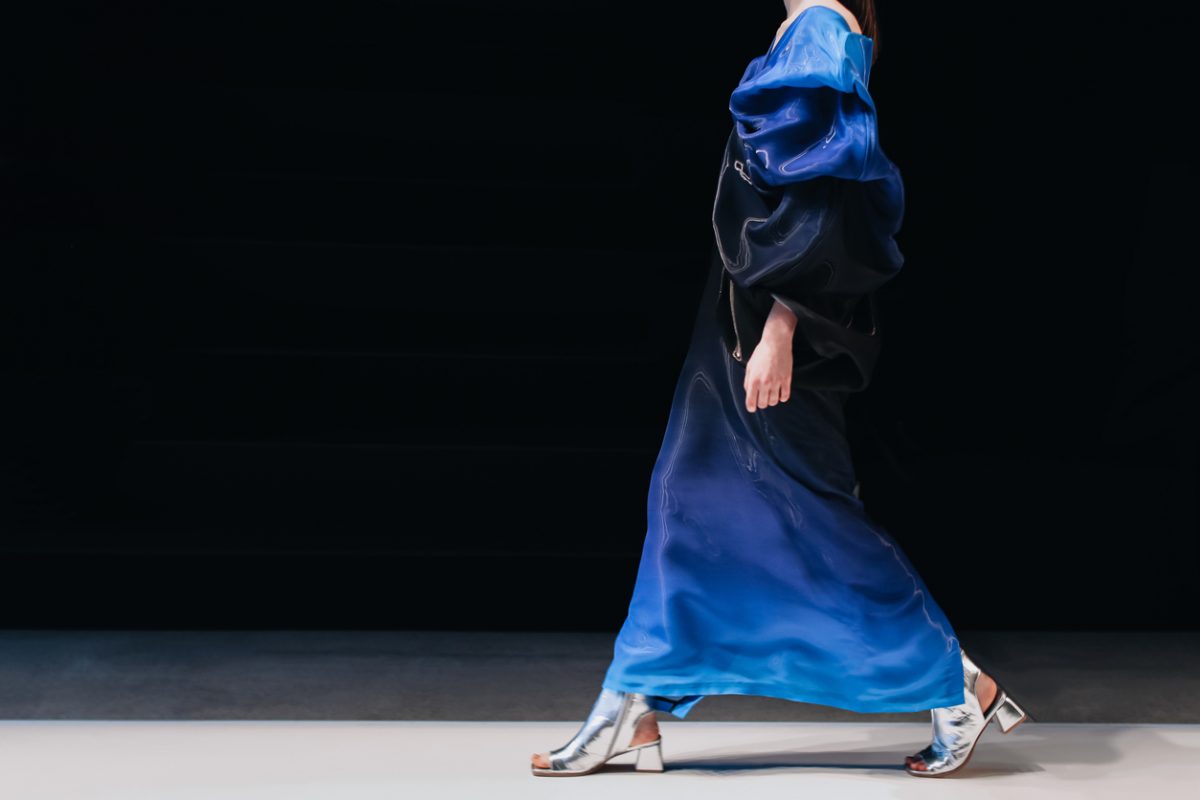
New York Fashion Week (NYFW) for the 2026 Fall/Winter season runs from February 11 through February 16, bringing together designers, fashion houses, media, and creative professionals from around the world.
Each season, New York becomes a global hub for international talent, models, makeup artists, stylists, photographers, creative directors, and designers. Many of these fashion world professionals travel to the United States specifically to participate in shows, campaigns, fittings, and related productions.
While the fashion industry moves quickly, U.S. immigration law does not. For international creatives, the ability to legally enter the United States and perform services during NYFW requires careful planning. One of the most common, and costly, mistakes is assuming that a visitor visa is sufficient for short-term fashion work.
Why a B-1/B-2 visitor visa is often not enough
The B-1/B-2 visa is frequently misunderstood in the fashion and creative industries. While it permits travel for limited business or visitor activities, it does not authorize employment or paid services in the United States.
If an individual is being hired, paid, contracted, or otherwise engaged to perform services as part of a fashion production, whether on the runway, behind the scenes, or in a creative leadership role, that activity is generally considered work under U.S. immigration law. The duration of the stay does not change this analysis. Even a brief engagement during NYFW may require work-authorized visa classification.
For this reason, immigration strategy should be addressed as part of overall production planning, rather than as a last-minute logistical detail.
Work-authorized visa options for fashion professionals
Fashion models and creatives typically qualify under nonimmigrant work visa categories designed for individuals with recognized professional ability or industry distinction.
H-1B3 Visa for fashion models
The H-1B3 visa is a specialized category available to fashion models of distinguished merit and ability who are coming to the United States to perform services requiring a model of prominence. U.S. Citizenship and Immigration Services (USCIS) defines eligible fashion models as those who are renowned, leading, or well-known in the field.
However, the H-1B3 category presents several practical challenges for the fashion industry. As a subcategory of the H-1B visa, it is subject to the H-1B’s annual numerical cap of 65,000 visas, and demand consistently exceeds availability. Petitions must generally be filed in early April, with employment authorization beginning no earlier than October 1. This timing often does not align with the fast-paced and seasonal nature of fashion work, including NYFW.
In addition, the H-1B3 requires a certified Labor Condition Application (LCA) from the Department of Labor and is subject to a six-year maximum period of stay, with limited exceptions for those pursuing permanent residence. However, this could be a better fit for models that do not qualify for an O-1 yet.
O-1B visa for individuals of extraordinary ability in the arts
For many fashion and creative professionals, the O-1B visa offers one of the most flexible and strategic options for working in the United States. The O-1B classification is available to individuals who can demonstrate extraordinary ability in the arts, meaning a record of distinction and professional recognition that places them above the ordinary standard within their field.
Unlike the H-1B category, the O-1 visa is not subject to an annual quota and may be filed at any time of year. It may be approved for an initial period of up to three years and can be extended indefinitely in one-year increments, provided the individual continues to work in their area of extraordinary ability and maintains qualifying engagements in the United States.
The O-1B is commonly used not only by fashion models, but also by makeup artists, stylists, photographers, designers, and creative directors who can document their professional standing through runway work, editorial features, advertising campaigns, press coverage, high levels of compensation, and testimonial letters from recognized experts in the industry.
An O-1 petition may be filed by either a U.S. employer or a U.S. agent. For many creatives, agent sponsorship is often the preferred structure, as it allows the individual to work on multiple projects for different brands, clients, or companies under a single petition. When an agent serves as the petitioner, the filing must include an itinerary outlining the planned engagements in the United States, along with evidence of the underlying contractual relationships. This structure is particularly well-suited to the project-based and multi-client nature of the fashion and creative industries.
Permanent residence: The EB-1A path for top fashion talent
For individuals seeking a long-term or permanent future in the United States, the EB-1A immigrant visa provides a powerful pathway to lawful permanent residence (a Green Card). The EB-1A category is reserved for individuals with extraordinary ability in the arts, sciences, business, education, or athletics who have reached the very top of their field.
Unlike many employment-based Green Card categories, the EB-1A does not require employer sponsorship or a labor certification. The applicant may self-petition by demonstrating sustained national or international acclaim and showing that their continued work will substantially benefit the United States.
Eligibility may be established by evidence of a major, internationally recognized award, or, more commonly, by satisfying at least three of several regulatory criteria. In the fashion and creative industries, this often includes leading roles in distinguished productions or events, extensive media coverage, high-profile collaborations, significant recognition from industry experts, and evidence of high remuneration compared to others in the field.
For models and creatives already working in the U.S. under O-1 status, the EB-1A is frequently a natural next step, allowing them to transition from temporary work authorization to permanent residence without being tied to a single employer or agency.
Planning ahead is essential
New York Fashion Week may last only a few days, but the immigration consequences of improper visa use can last far longer. For brands, agencies, and creatives alike, early immigration planning minimizes risk, protects productions, and ensures that international talent can participate legally and confidently.
When immigration strategy is aligned with creative and production goals, fashion can move at the speed it demands, without unnecessary legal exposure. To ensure you’re submitting your petition with confidence, request a consultation with Manifest today.