


Weekly Immigration News Roundup: March 6
This week, Manifest immigration attorney Ana Gabriela Urizar offers her insights on some of the latest headlines.
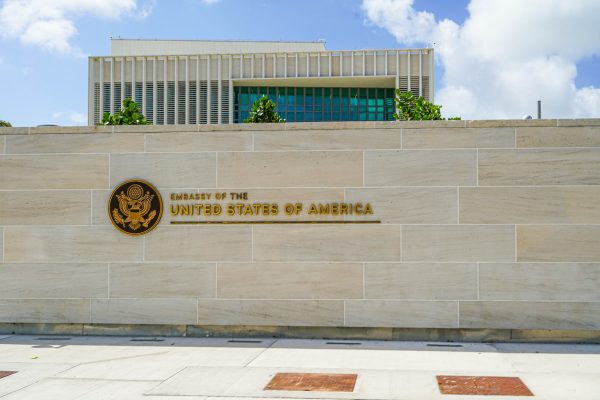
Several U.S. embassies closed due to tensions in the Middle East
As of March 4, the Department of State has closed 20 consular posts after a conflict in Iran escalated into broader regional instability.
Urizar: “Those affected should follow instructions from local authorities and look to their respective U.S. embassies for guidance on reopenings. In some cases, the government may instruct you to seek consular processing in another nearby country.”
Florida public universities issue an H-1B hiring freeze
Effective as of March 3, the pause applies to new hires across Florida public universities and will remain in effect until January 5, 2027. The news follows a similar hiring freeze in Texas.
Urizar: “While the Florida Board of Governors has no authority to pause H-1B visa processing, they can withdraw funding from colleges like Florida A&M. Right now, we’re waiting for more guidance to see if the freeze will be similar to the one in Texas, which does allow state agencies to hire new H-1B workers but only with prior approval.”
USCIS phased out older editions of Form I-765
Applicants must now request a work permit through the latest version, which removes the ability to request a Social Security number directly on their petition.
Urizar: “Nothing has changed as far as eligibility for employment authorization goes. However, this change means that you must apply for a Social Security Number separately through the Social Security Administration office.”
The federal government may require banks to collect citizenship data
White House officials are considering whether to implement this rule through an executive order or a policy update from the Treasury Department’s Financial Crimes Enforcement Network.
Urizar: “As of now, this is just speculation of future policy. Until a federal agency or government official announces otherwise, banks are not required to report whether you’re a U.S. citizen or not.”