

MEMORANDUM: Guidance for HR Teams on H-1B Appointment Delays & Travel Risks
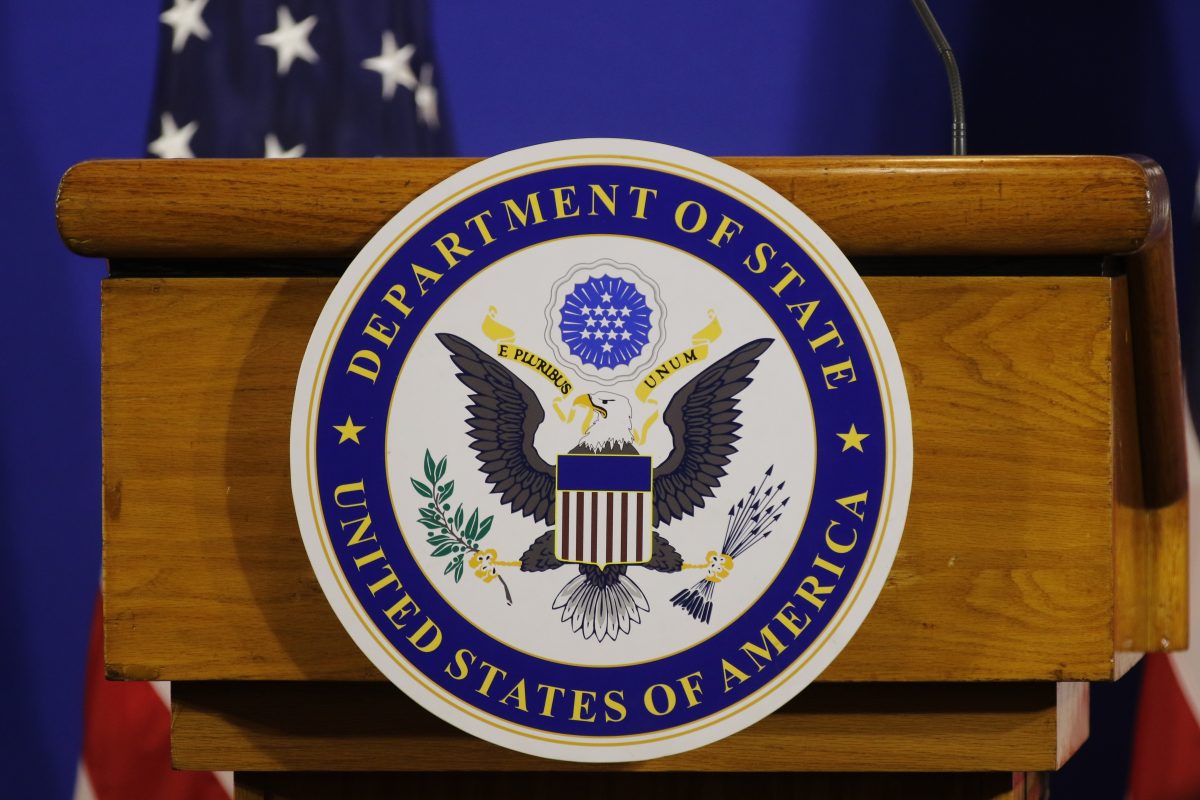
H-1B applicants and their H-4 dependents are reporting that their interview appointments at consulates across India are being delayed due to the State Department’s expanded social media screening.
Appointments for December 15 and later have been rescheduled for dates from February through June 2026, according to online social media posts.
What the Government Announced
- State Department expanded vetting of H-1B and H-4 social media accounts: Visa officers will be screening applicants to ensure they don’t intend to harm Americans, are eligible for a visa, and that they intend to engage in activities consistent with the terms for their admission.
- H-1B and H-4 visa applicants need to set their social media profiles to public. This is in addition to the other social media vetting already conducted for F, M, and J nonimmigrant visas applicants.
H-1B applicants from India report delayed appointments in India
No official acknowledgement or details have been released regarding delayed visa appointments. Social media users have made numerous posts saying their appointments for December 15 or later were rescheduled for anywhere from February to June 2026.
Manifest Insight:
Earlier this year, the State Department ended third-country visa interviews for all nonimmigrant visas. That means that applicants do not have the option to schedule interviews in other countries when their home country or country of residence has a long wait for appointments. In-person interviews are also now required for nearly all nonimmigrant visa applicants, and there are fewer visa waiver options. That means first-time applicants and those renewing visas need to attend in-person interviews in their home countries.
For countries with higher numbers of visa applicants, like India, these changes were expected to create longer wait times for appointments.
Recommended Actions for HR & People Teams
1. Build visa delay risk into workforce planning
- Identify all current and incoming H-1B employees (and their H-4 dependents) who will need visa stamping in India in the next six to 12 months.
- Add a three- to six-month buffer into timelines for start dates, rotations, and business travel that requires consular appointments.
- Tighten approvals for non-essential international travel where a new visa stamp would be required to return.
2. Formalize social-media guidance as part of your immigration process
- Create a short, standard email or one-pager for H-1B/H-4 (and any F/M/J) applicants explaining the new public social-media review and what “consistent, professional profiles” look like.
- Add a “social media check” step to your visa interview prep checklist alongside DS-160 review, support letters, and document gathering.
- Coordinate with immigration counsel so HR isn’t giving ad hoc advice. You want employees to receive one aligned message.
3. Standardize communication about delays with employees and leadership
- Draft template language HR can use to explain that rescheduled interviews do not mean the case will be denied.
- Brief stakeholders and hiring teams that India consulates are reducing daily H-1B/H-4 interview volume due to new vetting (not due to any employee error) so they understand the staffing risk.
- Track all affected employees in a simple spreadsheet (original appointment date, new date, role, business impact) so you can spot patterns and support any future expedite requests.
4. Create a contingency plan for operational continuity
- For delayed hires, build contingency plans (temporary contractors, internal backfills, reprioritization of projects) rather than quietly allowing unauthorized remote work from India.
- Communicate a standard rule to managers: no starting U.S.-based H-1B duties until the employee is admitted in H-1B status, unless counsel has explicitly approved an offshore arrangement.
- Continue monitoring and documenting business impact, adjusting internal start-date expectations, and preparing for onboarding once the employee’s visa interview can proceed.
Manifest Law is here to support you as immigration policy rapidly evolves. For questions or a workforce risk assessment, contact business@manifestlaw.com.