



Virality vs. Visa Law: Why Even K-Pop’s Breakout Stars Can Face U.S. Immigration Hurdles
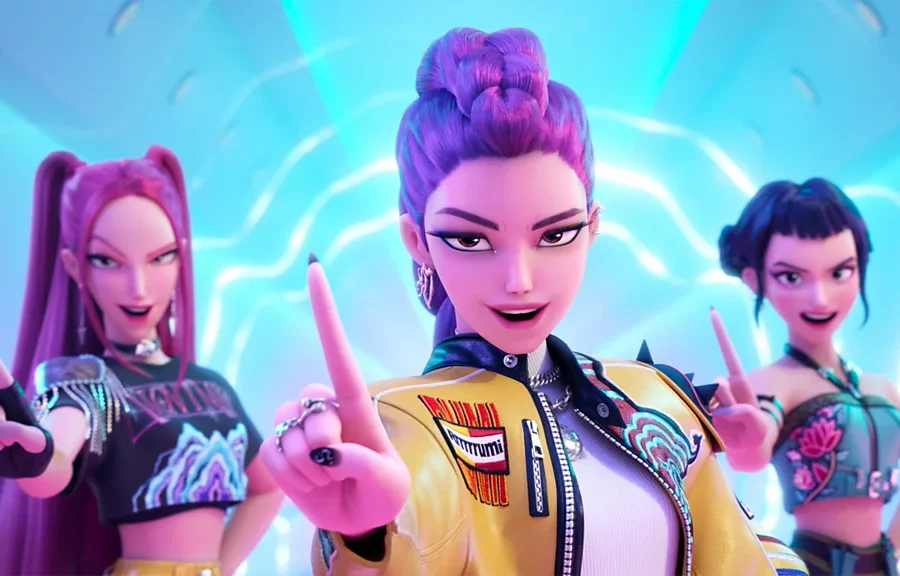
In K-pop Demon Hunters, the Saja Boys are a fictional K-pop group who skyrocket to global fame after just one viral song.
They never set foot on a U.S. stage in the movie, but their storyline raises a real question: if a group really did break out overnight, could they qualify for a U.S. performance visa? The answer is complicated. Immigration law defines “extraordinary ability” in specific ways, and sudden popularity doesn’t always meet the standard.
What “Extraordinary Ability” Means in Practice
The O-1 visa is often described as the pathway for performers at “the top of their field.” But in practice, this standard is interpreted narrowly:
- Sustained acclaim is key, not just one viral hit or a successful debut.
- USCIS officers look for evidence such as major awards, consistent press coverage, critical reviews, or endorsements from recognized industry leaders.
- A single breakout moment can strengthen a case, but rarely carries it on its own.
This is why even globally known acts have struggled to get their U.S. visas. In 2025, for example:
- KARD canceled their New Era North American Tour just two days before launch due to visa challenges.
- NCT WISH withdrew from SMTOWN LIVE 2025 in Los Angeles when U.S. visas weren’t approved in time.
These cases underscore a deeper truth: the U.S. immigration system doesn’t equate popularity with “extraordinary ability.” Even groups with global recognition can be sidelined when the legal definition of acclaim can lag behind the reality of modern fame.
How K-Pop Stars Tour the United States: O-1 Alternatives
So if you’re a breakout star, what are your options? What if the fictional Saja Boys had to go on a real U.S. tour?
There are a couple of options for performers:
P-1B: A Group Visa With Time Requirements
The P-1B visa is for entertainment groups with international recognition. However, at least 75% of the members must have performed together for a year. This creates a structural barrier for groups like the Saja Boys, who, in the movie, were less than a year old.
In other words, unless the Saja Boys can document a thousand years of joint performances in the underworld—a storyline fit for a K-pop Demon Hunters sequel, not a U.S. immigration petition—they won’t meet the P-1B’s one-year rule.
P-3: A Cultural Strategy
The P-3 visa may offer the most viable path for a breakout group. It is designed for artists coming to the U.S. to participate in a program that is “culturally unique.” Importantly, the definition of “culturally unique” is interpreted broadly by the U.S. government.
Groups in K-pop, C-pop, and other globally recognized genres can credibly argue that their music represents a distinctive cultural identity, whether expressed through language, choreography, performance style, or artistic traditions.
For newer acts, this makes the P-3 especially attractive: it allows them to position their work not only as entertainment, but as a cultural export with international significance.
Too often, artists think of immigration as just forms and deadlines. But in my experience, it’s also about creativity and understanding what you uniquely bring and framing that contribution in a way the law recognizes. The P-3 works best when an artist’s cultural identity is not treated as background, but as the very reason they belong on a U.S. stage.
The Saja Boys could perform in the U.S., with the right immigration attorney at their side
For groups like the Saja Boys, the lesson is clear: virality alone is not enough. The O-1 may still be within reach, but only with careful documentation of acclaim. The P-1B is structurally difficult for new groups. The P-3 visa offers a creative and culturally grounded pathway, and may be the strongest option for international acts seeking to connect with U.S. audiences.
In today’s climate, the difference between a successful U.S. tour and a last-minute cancellation may come down to choosing the right visa strategy, long before the first stage light turns on.