



Children Could Lose Green Card Eligibility Faster Under USCIS Policy Change

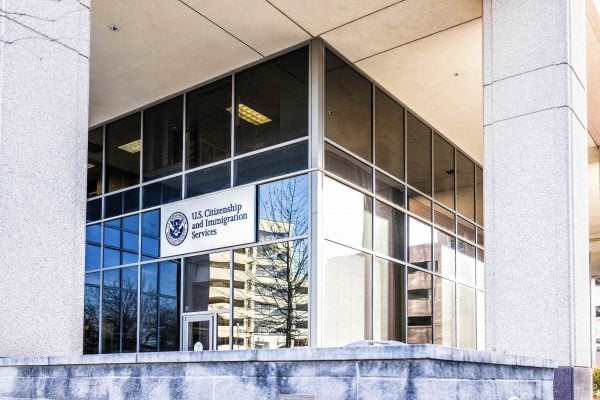
Earlier this month, USCIS changed how it calculates children’s ages under the Child Status Protection Act (CSPA) for certain Green Card applicants.
Beginning August 15, Final Action Dates from the Department of State Visa Bulletin will be used to determine CSPA age. Previously, Dates for Filing could be used to determine CSPA age. That method of calculation began in 2023, under the Biden administration, and it generally protected more children from “aging out” (on paper) of eligibility.
In a news release announcing the change, USCIS said the move ensures both USCIS and the Department of State use the same method to calculate CSPA age.
The new calculation means, in some cases, children of visa holders who turn 21 before their Final Action Date could be considered “too old” to file for an adjustment of status and obtain lawful permanent resident status.
In this article, we’ll walk you through what changed, who is affected, and what you could do if you’re concerned about your eligibility or a family member’s eligibility for permanent resident status.
What has changed?
The CSPA aims to keep families together by creating a formula to “freeze” a child’s age in the Green Card process, so dependent children aren’t penalized by the long wait times.
Since 2023, the USCIS could use either the Dates for Filing chart or the Final Action Dates chart, depending on the number of available immigrant visas for the year. As of this month, however, USCIS will now only use the Final Action Date.
Tying CSPA age to the Final Action Date—which is when the immigrant visa can be issued—instead of Dates for Filing means that children of prospective immigrants who were under 21 when their parents’ application was filed may be 21 or older when it is approved. That would make them ineligible for permanent resident status unless they file their own petition.
People who filed their petition outside the U.S. went through the Department of State, which has always used the Final Action Date in its determinations. The change ensures that both USCIS and the Department of State use the same method to calculate the CSPA age.
| 💡What are USCIS processing times now? Family and employment petitions face long waits in 2025, but there are steps you can take to avoid delays and get movement if your case stalls. |
Subscribe to our newsletter for immigration resources and news, without the legal jargon.
How is CSPA age calculated?
CSPA was enacted in 2002 because visa backlogs or government delays meant that some families were waiting years for Green Cards to become available. During those long waits, some children turned 21 and no longer qualified as dependents.
The law provides a way to calculate CSPA age to ensure that a dependent child doesn’t age out during the process.
Let’s take a look at the formula for CSPA age, and then we can walk through a couple of examples from the USCIS Policy Manual.
Note: the calculation is different for asylees and refugees. The information below applies to family-based and employment-based cases.
The formula for CSPA age is:
Age at time of visa availability – Pending time = CSPA age
Here is an example from USCIS:
A child dependent is 21 years and 4 months old when a visa becomes available. The underlying petition was pending for 6 months. Then the CSPA age is calculated as:
21 years and 4 months – 6 months = 20 years and 10 months
By this calculation, the person’s CSPA age is under 21.
The formula for determining the pending time for the petition is:
Approval date – Filing date = Pending time
Who’s affected by the most recent CSPA change?
The change affects children of parents waiting for family-based or employment-based Green Cards.
Dependents who are almost 21 or who might turn 21 before a Green Card becomes available might lose their eligibility for permanent residence as derivatives under their parents’ cases. If the child “ages out” and is no longer counted as a derivative, then they can only get a Green Card based on a new petition filed for them individually (if even available), which may again have a multi-year waitlist.
This concern is even more pronounced for immigrants from countries that the Department of State considers to be oversubscribed. For example, families from India typically see longer wait times for a Green Card. The August 2025 Visa Bulletin lists the EB-2 Final Action Date for India as January 1, 2013, meaning that only people who filed an immigrant petition more than 12 years ago are eligible to apply for a Green Card.
Keep in mind that CSPA only protects unmarried dependents who are under 21 years old (according to their CSPA age). If a child dependent gets married, they are no longer technically reliant upon a parent, even if they’re under 21 years old. Once they’re no longer a dependent, they’re not eligible for protections under CSPA.
What does this mean for families?
Some children might age out of the process before they can obtain a Green Card as derivatives of their parents’ Green Card applications.
Even if they’ve lived in the United States most of their lives, dependents could be forced to apply for a temporary student visa or find an alternate path to permanent resident status. In some cases, they might be forced to leave the country.
Backlogs in the process and long wait times can make the Green Card process stressful, and uncertainty over CSPA protections for children could add to that stress.
| 🧑💼 Curious about the Green Card process for families? Manifest Law’s experienced attorneys have helped thousands of immigrants and their families secure their future in the U.S. Learn more about family Green Card lawyer options. |
The good news: there are possible mitigation strategies
For anyone who could and did file an adjustment of status before August 15, 2025, the Dates for Filing will be used in the CSPA age calculations.
If you were eligible to file an adjustment of status before August 15th but couldn’t because of “extraordinary circumstances,” you may still be able to ask USCIS to apply the Dates for Filing calculation. The latest CSPA policy update says that if you prove that extraordinary circumstances prevented you from filing an AOS before August 15th, the CSPA age calculation using Dates for Filing would apply.
Henry Lindpere, Senior Immigration Counsel at Manifest, adds: “The CSPA is very confusing but one tactic that often helps people is avoiding Premium Processing for the I-140 petition, if they are going the employment-based route. Everyone wants to know the result of their case as soon as possible, but under the CSPA calculation rules, the longer the I-140 is pending, the more days can be deducted from the real age of the derivative beneficiary.”
An experienced immigration attorney can review your unique situation and offer guidance to help you and your family navigate the latest policy changes so you can continue to stay together.
At Manifest Law, we help people navigate the Green Card process every day. We work with visa holders who want to become permanent residents and stay in the U.S. with their families, too.
👉 Request a consultation to speak with an experienced Manifest Law immigration attorney and move forward with your Green Card journey.
Manifest’s expertise in immigration drives 90%+ approval rates and services that will make your immigration journey seamless and stress-free: risk-free filing with 100% money-back guarantee plan; personalized case support with profile building and former USCIS experts review; and live case tracking.