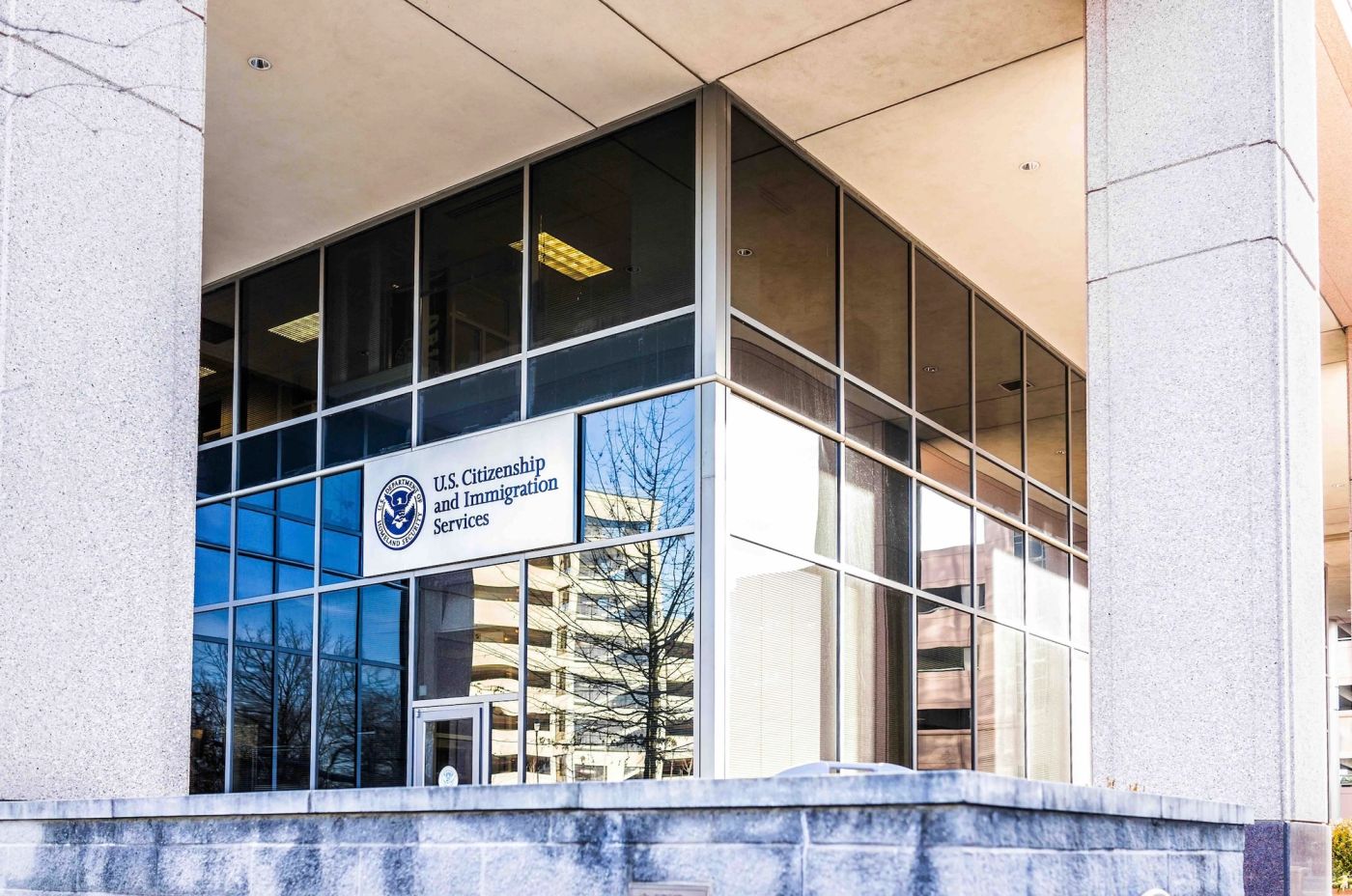
A report published by the American Immigration Lawyers Association (AILA) suggests that USCIS has paused adjudicating some pending cases that require biometrics as it implements a new security vetting process.
On April 27, 2026, the federal agency began requiring some applicants with pending cases to re-submit their fingerprints, according to internal guidance reviewed by Reuters. This will allow immigration officers to run applicants against newly expanded FBI criminal-history databases. The guidance received by Reuters also states that USCIS says that "any delay in decision issuance should be brief and resolved shortly."
Note that not all types of immigration benefits require biometrics. Manifest Law immigration attorney Ana Gabriela Urizar says, "At this time, the adjudication pause seems unlikely to impact I-140, I-130, or I-129 petitions, since they rarely require fingerprinting."
While USCIS has not officially announced who this policy impacts, attorneys and users on social media have shared that they have experienced delays on the following types of cases so far:
This is a developing story and at this time, USCIS has not released public, official guidance on this policy change. Manifest’s attorneys will continue to monitor the situation and watch for official guidance from USCIS.
About the Author

Staff Writer
Caryl Espinoza Jaen is a Nicaraguan-born staff writer for Manifest Law. As a writer, he strives to cover complex topics like immigration policy with clarity, accuracy, and precision.
Read bioReviewed By

Immigration Lawyer to Manifest Law
Ana Gabriela Urizar is an award-winning immigration attorney licensed in Arizona and New York. With nearly a decade of experience, she advises global corporations on complex U.S. immigration matters. Originally from Guatemala, Ana Gabriela previously spent close to ten years at the world’s largest immigration firm, managing business immigration matters for leading technology, science, and financial companies. She has been recognized by Best Lawyers: Ones to Watch and Negocios Now’s Tri-State 40 Under 40.
Read bioShare this article: