EB-3 Visa Lawyers
Experienced in EB-3 Visas (PERM)
- Visa approved or 100% refund available*
- Live case preparation tracking via Manifest portal
- Guaranteed filing deadline personalized to your case*
*Read terms and conditions here. Personalized case filing deadlines will be aligned on during kickoff call with lawyers and may be subject to change.



Transparent Pricing
Our goal is simple: complete transparency. Every EB-3 Visa case is handled on a flat-fee basis—no hourly billing, no hidden charges, and no surprises. You'll know exactly what's included from day one, with the flexibility to choose the level of support that fits your needs.
Your experienced attorney files your case, with clear communication and transparency every step of the way.
- EB-3 filing
- Live case tracking
- 2-chair legal review
- Guaranteed timelines personalized to your case*
Looking for more peace of mind? Get a 60% money back guarantee*.
60% refund or free refile*. Read T&Cs here.
- EB-3 filing
- Live case tracking
- 2-chair legal review
- Guaranteed timelines personalized to your case*
Want to learn more about
the EB-3 visa?
Why Clients Trust Manifest's Immigration Lawyers
*Average years of experience of all Manifest lawyers is as of March 30th, 2026. Total number of cases filed provided by Manifest lawyers in connection with cases handled with Manifest and lawyers' prior firms.
A Clear, Strategic Process
From Day One.
We know speed matters, especially when you have a job offer, project deadline, or looming immigration constraint. That's why we commit to firm turnaround times and a streamlined, tech-enabled application process from day one.
- Step one
Manifest Quiz & Attorney Consult
1-3 daysBegin with an eligibility assessment. We’ll confirm whether the employer and job role qualify for the PERM process, and review the basic requirements (employer’s ability to pay, prevailing wage, recruitment obligations).
- Step two
Prevailing Wage Request (PWR) & Recruitment Phase
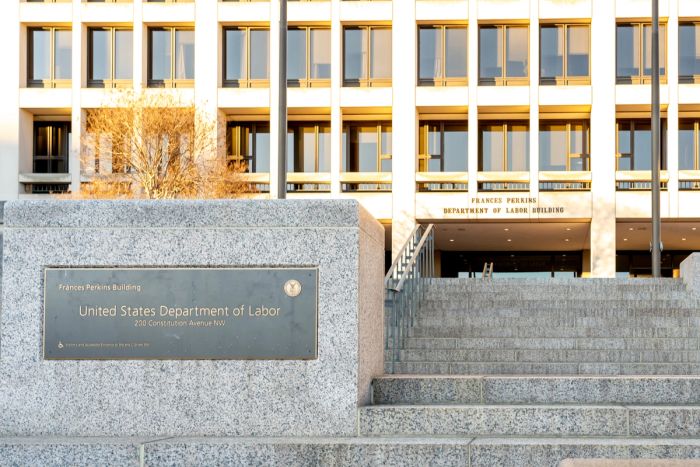
4-6 monthsYour attorney submits a prevailing wage request to the U.S. Department of Labor (DOL). This establishes the minimum wage the employer must agree to pay once the Green Card is approved. The employer must conduct mandatory recruitment efforts to test the labor market.
- Step three
PERM Filing & Adjudication
6–12 Months, longer if auditedOnce recruitment is complete, your attorney files ETA Form 9089 (PERM application) with the DOL.
- Step four
I-140 Immigrant Petition
15 Business Days with Premium Processing; 6–12 Months RegularAfter PERM approval, the employer files Form I-140 with USCIS to classify the worker under the appropriate EB-2 or EB-3 category.
- Step five
Built for Every Field
From Our Clients
Discover how Manifest has helped clients navigate the visa process.
“Really impressed with Manifest's extensive experience in EB1 and EB2 visas as well as personalized approach. They were really helpful in advising about my potential options and how to best present my case, should I decide to apply in future.”


*Prior results do not guarantee future outcomes.
What Sets Our EB-3 Visa Strategy Apart?




























































Experienced EB-3 Visa Lawyers With Thousands Of Prior Cases.
Our team averages 11+ years of immigration experience. They are master storytellers who know how to frame your achievements for USCIS.












*Average years of experience of all Manifest lawyers is as of March 30th, 2026. Total number of cases filed provided by Manifest lawyers in connection with cases handled with Manifest and lawyers' prior firms.
Manifest’s Most-Read
Not sure what your next best step is? Explore our most-read guides to dive deeper and make an informed choice about your future.







Still Have Questions
About the EB-3 Visa?
You’re not required to hire a lawyer, but the EB-3 process is complex. Between PERM labor certification, employer filings, and USCIS paperwork, even small mistakes can lead to delays or denials. An immigration lawyer helps your employer handle the labor certification correctly, prepares the I-140 petition, and guides you through adjustment of status or consular processing, saving time and reducing risk.
The EB-3 is employer-sponsored. That means your U.S. employer must pay for and file the PERM labor certification and the I-140 petition on your behalf. You cannot self-petition. Once the I-140 is approved and your priority date is current, you (the foreign worker) file the final Green Card application (Form I-485 if inside the U.S., or DS-260 if abroad).
The EB-3 process generally follows these steps: 1\. PERM labor certification (employer files with the Department of Labor). 2\. Form I-140 petition (employer files with USCIS after PERM approval). 3\. Wait for a visa number (based on the Visa Bulletin; immediate if current). 4\. Green Card application — either Adjustment of Status (Form I-485) if you’re in the U.S., or Consular Processing (DS-260) if you’re abroad. 5\. Interview and approval — you and your family receive Green Cards.
You are expected to work for the sponsoring employer in good faith after approval, usually for a reasonable period (often 6-12 months). After that, Green Card holders are free to change jobs, work for any employer, or even start their own business.
The main differences are in eligibility, requirements, and wait times: - EB-1: For individuals at the top of their field—such as people with extraordinary ability, outstanding professors/researchers, or multinational executives. It has the highest bar to qualify but often the shortest wait times. - EB-2: For professionals with advanced degrees or exceptional ability in their field. Some applicants may qualify for a National Interest Waiver (NIW), which allows them to self-petition without an employer sponsor. - EB-3: For skilled workers (2+ years of experience), professionals with a bachelor’s degree, and other workers performing unskilled labor. It has broader eligibility but often longer wait times due to higher demand. All three lead to a Green Card and eventual citizenship. The best category for you depends on your qualifications, career level, and whether you have a sponsoring employer.
- EB-3: For skilled, professional, or other workers who have a permanent job offer from a U.S. employer. Leads directly to a Green Card. - L-1: A temporary visa that allows multinational companies to transfer managers, executives, or employees with specialized knowledge from a foreign office to a U.S. office. It does not directly lead to a Green Card, but some L-1 holders later apply for EB-1C or EB-2/EB-3 categories.
- EB-3: A Green Card (permanent residency). It gives long-term stability, work freedom, and a path to citizenship. It requires employer sponsorship and PERM labor certification. - H-1B: A temporary work visa (nonimmigrant), valid for up to 6 years. It’s subject to an annual lottery and does not guarantee permanent residency, though many people later transition from H-1B to EB-2 or EB-3.

Let’s Build a Case For
Your Future.
We help you figure it out. Then we work tirelessly to achieve your immigration goals.