Key Takeaways
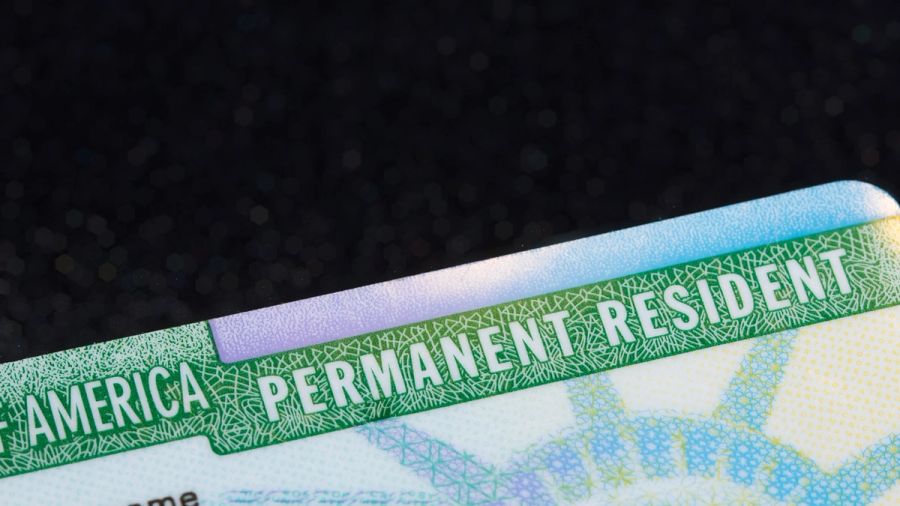
- A Green Card grants permanent residency in the United States.
- There are many different Green Card categories based on employment, family relationships, or special statuses.
- Employment-based and family-preference Green Cards are the most common paths to permanent residence.
- Some Green Card categories are subject to annual limits and can involve months or years of backlogs.
All Green Cards give permanent resident status to noncitizens, but there are multiple Green Card categories that determine how someone is eligible for residence in the U.S. Those categories—based on family relationships, employment, humanitarian protection, and other special circumstances—each come with different eligibility requirements, application processes, and wait times. Understanding which category applies to you is the first step toward choosing the right immigration strategy.
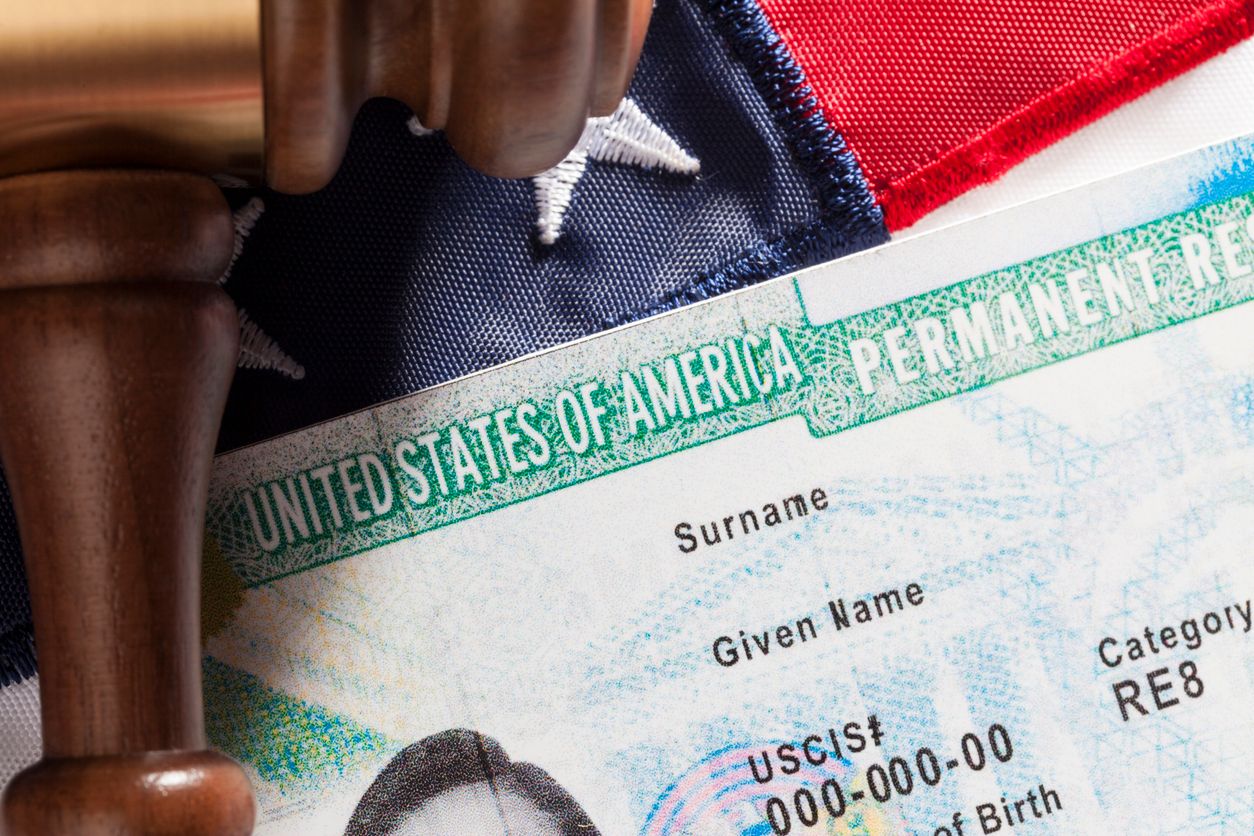
Green Cards vs. visas: A visa is used to travel to the United States. Becoming a lawful permanent resident requires first getting a valid visa. A Green Card is a document that proves you hold permanent resident status in the country. Dive deeper with our guide to the differences between Green Cards and visas.
The most common Green Card categories
Most Green Card holders qualify for permanent resident status under one of the following eligibility categories:
- Family-based Green Cards for family members of U.S. citizens or lawful permanent residents
- Employment-based Green Cards for workers who are sponsored by a U.S. employer (with certain cases that allow applicants to self-sponsor)
- Humanitarian Green Cards for refugees, asylees, and certain crime or trafficking victims
- Special immigrant Green Cards for some religious workers, employees of international organizations, and other designated groups
- Diversity visa Green Cards for individuals from countries with historically low U.S. immigration rates
Each category is governed by federal immigration law and is administered by U.S. Citizenship and Immigration Services (USCIS) and the Department of State.
Family-based Green Cards
Family-based Green Cards allow U.S. citizens and lawful permanent residents to sponsor—also called petitioning—certain family members to become permanent residents.
There are two main family-based Green Card groups. Immediate relative (IR) visas are available to the close family of U.S. citizens and aren’t subject to an annual cap. Family preference (F) visas cover all other eligible family members and are subject to annual limits.
Immediate relatives of U.S. citizens
- IR-1 / CR-1 – Spouse of a U.S. citizen
- IR-2 / CR-2 – Unmarried child under 21 of a U.S. citizen
- IR-5 – Parent of a U.S. citizen (petitioner must be 21+)
Family preference categories
All other family members must qualify through one of the following five categories, with higher categories generally receiving higher priority and lower wait times:
- First preference (F1): Unmarried children, over age 21, of U.S. citizens
- Second preference (F2A): Spouses and unmarried children, under age 21, of lawful permanent residents
- Second preference (F2B): Unmarried children, over age 21, of lawful permanent
- Third preference (F3): Married children of U.S. citizens
- Fourth preference (F4): Siblings of U.S. citizens (if the citizen is at least 21 years of age)
How to petition for a family-based Green Card
The family-based process generally involves these steps:
- File Form I-130 and relevant evidence to establish a qualifying relationship.
- Wait for a visa to become available for your preference category, if you’re subject to annual limits. Check the Visa Bulletin to see your place in line.
- Apply through adjustment of status if you already live in the U.S., or through consular processing if you live abroad.
- Attend a biometrics appointment (for fingerprints and photos) and an interview.
Curious about the Green Card process for families? Manifest Law’s experienced attorneys have helped thousands of immigrants and their families secure their future in the U.S. Learn more about family Green Card lawyer options.
Employment-based Green Cards
Employment-based Green Cards are divided into five preference categories, EB-1 through EB-5. These categories are for individuals whose work skills, education, or financial investments benefit the U.S. government or economy.
- EB-1: Individuals with extraordinary ability, outstanding university professors or researchers, and multinational executives
- EB-2: Professionals with advanced degrees or exceptional ability, including those self-petitioning through a National Interest Waiver
- EB-3: Skilled workers, professionals, and some other workers
- EB-4: Certain special immigrants, including religious workers
- EB-5: Immigrant investors who meet minimum investment thresholds and will create jobs in the U.S.
Nearly all employment-based Green Cards require a U.S. employer to sponsor the worker, although some, like the EB-1A and EB-2 NIW, allow self-sponsorship. Due to high demand, there are backlogs for many employment-based Green Cards. Wait times vary based on your category and country of birth. As an example, the wait times for EB-2 and EB-3 visas are typically around two to four years for people in most countries, but they’re well over a decade for Indian nationals.
Learn more about the EB-2 priority date for Indian nationals.
How to qualify for an employment-based Green Card
At a high level, most applicants must:
- Prove you qualify under a specific preference category.
- Have a U.S. employer file Form I-140 (unless self-petitioning is allowed, as with EB-1A).
- Meet education, experience, or investment requirements.
- Wait for a visa to become available based on priority dates and the Visa Bulletin.
There is significant documentation required to prove you meet the requirements for an employment-based Green Card, and it’s important to get your application right the first time. Working with an experienced immigration attorney can help you avoid years of delays and stress. Request a free consultation with a Manifest attorney today.
Humanitarian Green Cards
Some individuals can qualify for permanent residency through humanitarian protection, even if they entered the U.S. on a nonimmigrant visa or without status.
Humanitarian pathways that can lead to a Green Card include, but are not limited to:
- Asylees and refugees (after one year of presence)
- T visa holders (victims of human trafficking)
- U visa holders (victims of qualifying crimes)
- Special juvenile immigrant status (SIJS)
- Parole in Place (PiP) for certain family members of U.S. military personnel
These categories are designed to protect vulnerable individuals and provide long-term immigration stability.
Special immigrant Green Cards
Special immigrant Green Cards are issued to specific groups as defined by statute. These applicants typically qualify under EB-4 or other designated provisions. Examples include:
- Religious workers, typically ministers, employed full-time by a qualifying organization
- Certain employees of international organizations, like the World Bank or NATO
- Juveniles who are eligible for Special Immigrant Juvenile (SIJ) status due to abuse, neglect, or abandonment by a parent
Each special immigrant category has unique eligibility rules and documentation requirements.
Other Green Card categories
There are many additional Green Card categories not covered here, including programs tied to specific visa programs, historical legislation, or relationships between the U.S. and different nations. For a complete list, consult USCIS’s official Green Card eligibility resources.
How to determine the right Green Card category for you
Choosing the correct Green Card category is, perhaps, the most important decision in the immigration process. Filing under the wrong category can lead to delays, denials, and years of stress or uncertainty.
At Manifest Law, our immigration attorneys are experienced with helping individuals and families to identify the strongest Green Card strategy based on their background, goals, and current immigration status. Request a free consultation today to determine which Green Card category fits your situation.
FAQs
What are EB-1, EB-2, and EB-3 visas?
These are employment-based Green Card preference categories. EB-1 is for priority workers with extraordinary ability. EB-2 is for advanced degree professionals or those with exceptional ability. EB-3 is for skilled workers and professionals.
What is category IR-1 on a Green Card?
IR-1 refers to an immediate relative immigrant visa for the spouse of a U.S. citizen who has been married for more than 2 years. They are eligible for permanent resident status without conditional limits.
Which is better, a CR-1 or IR-1 visa?
In terms of validity length, an IR-1 visa offers permanent residence, while the CR-1 offers a two-year conditional Green Card. Both options offer a valid path to permanent residence, but you must petition to remove conditions on your conditional Green Card 90 days before it expires, or you could risk losing your permanent resident status.
Learn more in our breakdown of the IR-1 vs. CR-1 visa.
About the Author

Reviewed By

Immigration Lawyer to Manifest Law
Ana Gabriela Urizar is an award-winning immigration attorney licensed in Arizona and New York. With nearly a decade of experience, she advises global corporations on complex U.S. immigration matters. Originally from Guatemala, Ana Gabriela previously spent close to ten years at the world’s largest immigration firm, managing business immigration matters for leading technology, science, and financial companies. She has been recognized by Best Lawyers: Ones to Watch and Negocios Now’s Tri-State 40 Under 40.
Read bioShare this article: