Key Takeaways
- Conditional Green Cards expire after two years unless you file Form I-751 (marriage-based) or I-829 (EB-5) within 90 days before expiration to remove conditions.
- Marriage-based holders must prove ongoing genuine marriage through financial integration, cohabitation evidence, and relationship documentation, or qualify for divorce, abuse, death, or hardship waivers.
- EB-5 investors must demonstrate sustained at-risk investment and creation of 10+ full-time U.S. jobs with no waiver options available for economic hardship or business failure.
Conditional permanent residence status is granted to two primary groups in the United States: spouses of U.S. citizens or permanent residents married for less than two years and EB-5 investors. If your Green Card status is conditional, that means you can lose permanent resident status if you don’t meet the qualifications to remove conditions within two years.
This guide covers what conditional permanent residence is, who is eligible for it, and the step-by-step process to remove conditions. Whether you're filing Form I-751 as a marriage-based holder or Form I-829 as an EB-5 investor, you'll learn the requirements, timelines, and documentation needed to convert your conditional status to permanent residence status.
What is a conditional Green Card?
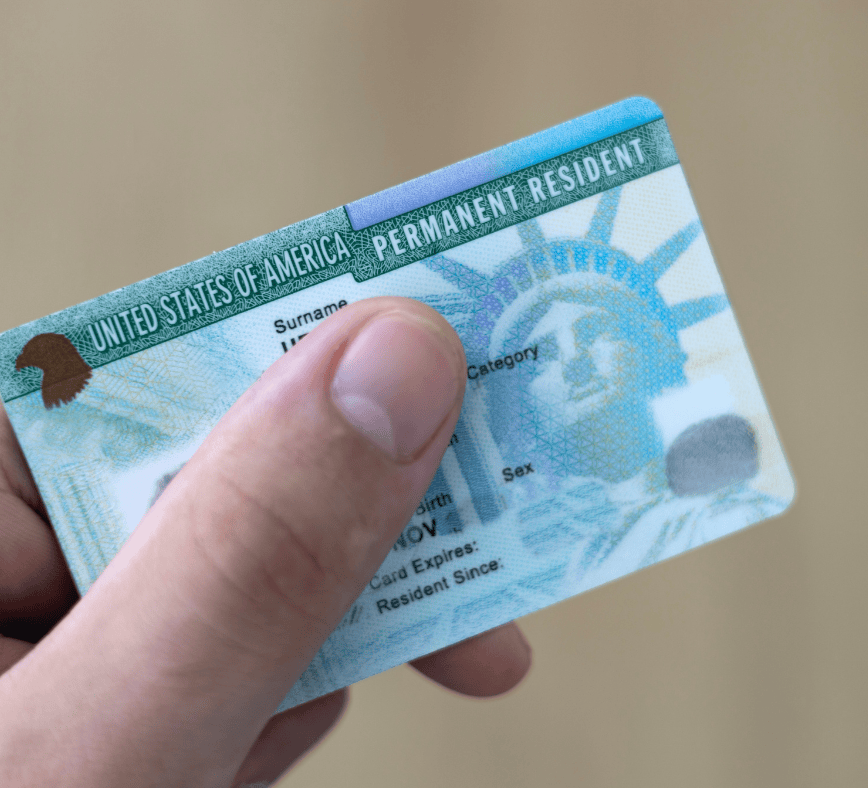
Unlike permanent residence status, conditional permanent residence (also known as conditional Green Card) status automatically expires after two years unless you successfully file to remove conditions and prove you've met all requirements. Failure to do so terminates your permanent resident status entirely.
If you successfully remove conditions from your Green Card, you receive permanent residence status that doesn’t expire.
Two types of conditional status serve as a two-year probationary period for permanent residence for foreign nationals:
- Marriage-based: issued when couples are married less than two years before approval
- Investment-based: requiring $800,000-$1.05 million investment through the EB-5 program.
Note that while lawful permanent residence is permanent, unless you decide to naturalize or if your status is revoked, the physical Green Card you receive does have an expiration date and needs to be renewed. (Learn more about filing Form I-90 to renew or replace your Green Card.)
This YouTube video is hidden until you accept functional cookies.
How do marriage-based conditional Green Cards work?
If you receive permanent residence through marriage to a U.S. citizen or lawful permanent resident and have been married for less than two years at the time of approval, you'll receive conditional permanent residence status valid for two years.
During this period, you must prove your marriage is genuine—as in, not entered into solely for immigration benefits.
When your immigrant petition is approved, if you've been married for less than two years at approval, you'll receive a CR-1 (Conditional Resident) visa and conditional permanent residence status for two years. With a CR-1 visa, you will need to file Form I-751 jointly with your spouse during the 90-day window before the conditional Green Card expires to remove conditions and obtain permanent residence status.
The two-year conditional period serves as a natural testing window: authentic marriages typically show deepening integration through shared finances, housing, and life milestones. Both spouses must have been legally free to marry at the time of the wedding, meaning single, properly divorced, or widowed.
Children of CR-1 visa holders receive CR-2 visas with conditional permanent residence status for two years, regardless of how long their parents have been married. They must be included on the CR-1 visa holder's Form I-751 petition, and their conditions are removed automatically when the parent's petition is approved.
How to remove conditions on a marriage-based Green Card
There are two ways to remove conditions: jointly filing a petition with your spouse or individually filing a petition if you qualify for a waiver.
Joint petition requirements
Both the immigrant spouse and the U.S. citizen (or lawful permanent resident) spouse must sign and file Form I-751 before the two-year conditional status expires. You must prove your marriage remains genuine and ongoing through extensive documentation, including:
- Financial integration: Joint bank accounts, credit cards, tax returns, mortgages, loans
- Cohabitation evidence: Lease/mortgage in both names, utility bills, mail to same address
- Social integration: Photos together throughout the conditional two-year period, travel records, witness statements, joint participation in activities
- Relationship development: Birth certificates of children born during marriage, insurance policies, and major joint purchases. At times, it is recommended to have two people who know the couple to write sworn statements about how they have a genuine relationship.
Termination of conditional marriage-based Green Cards
Certain actions automatically terminate conditional permanent residence status and trigger removal proceedings for marriage-based conditional residents. These include:
- Filing Form I-751 after the 90-day deadline without demonstrating exceptional circumstances
- Providing evidence later determined to be marriage fraud
- Failing to appear for a scheduled USCIS interview
- Obtaining criminal convictions that affect immigration eligibility
When can I file a waiver to remove marriage-based Green Card conditions?
You can file Form I-751 alone without your spouse if one of these four circumstances applies to you:
1. Divorce or annulment: Your marriage legally ended, but you must prove it was entered in good faith, and not for immigration purposes. Required evidence includes the final divorce decree plus documentation showing the marriage was genuine when entered.
2. Domestic violence or abuse: You or your children were subjected to violence or extreme cruelty by your U.S. citizen or permanent resident spouse. Required evidence includes police reports, medical records, protection orders, therapist statements, and court documents.
3. Death of spouse: Your spouse died during the conditional residence period. Required evidence includes the death certificate and documentation that your marriage was bona fide.
4. Extreme hardship: Removal from the United States would cause you extreme hardship that extends beyond the normal difficulties of relocation.
All waiver applicants must still prove the original marriage was entered in good faith, not solely for immigration benefits.
What if I miss the deadline to remove conditions on my Green Card?
If you do not apply for removal of conditions before your conditional permanent residence status expires, USCIS may terminate your conditional permanent residence status, and you may have to leave the U.S.
Exceptions to the missed deadline
You can file your petition late due to extenuating circumstances and include a written explanation and documentation or evidence requesting USCIS to excuse your lateness.
Some of the acceptable reasons for missing the deadline include:
- Personal illness, family emergency, or death of a family member
- Caretaking or taxing work responsibilities
- Natural disasters or other unforeseen circumstances
Take the next step toward your Green Card
Having an experienced immigration lawyer on your side can help you put forth your strongest application and remove the conditionality on your permanent resident status.
Manifest Law’s experienced immigration lawyers have 10+ years of experience in helping clients navigate the complex processes and possible pathways to permanent U.S. citizenship. Request a consultation with Manifest Law now.
About the Author

Contributing Writer
Carolyn Yang is an urban planner, storyteller, and cultivator of unlikely partnerships. She enjoys translating dense policy language into digestible, actionable information for those seeking to navigate the immigration system.
Read bioReviewed By

Senior Immigration Attorney at Manifest Law
Henry is an Estonian American attorney licensed in Arizona with broad experience in employment-based immigration. He handles EB-1A, EB-2 NIW, O-1, and E-2 cases for founders, professionals, and creatives across industries worldwide, and has helped hundreds of clients achieve successful outcomes.
Read bioShare this article: