UPDATE: As of August 21, 2026, the State Department is no longer enforcing an immigrant visa freeze on 75 countries. Read more about the update here.
On August 21, a federal judge in New York vacated the State Department’s immigration freeze for 75 countries. For the time being, that means this policy is no longer in effect.
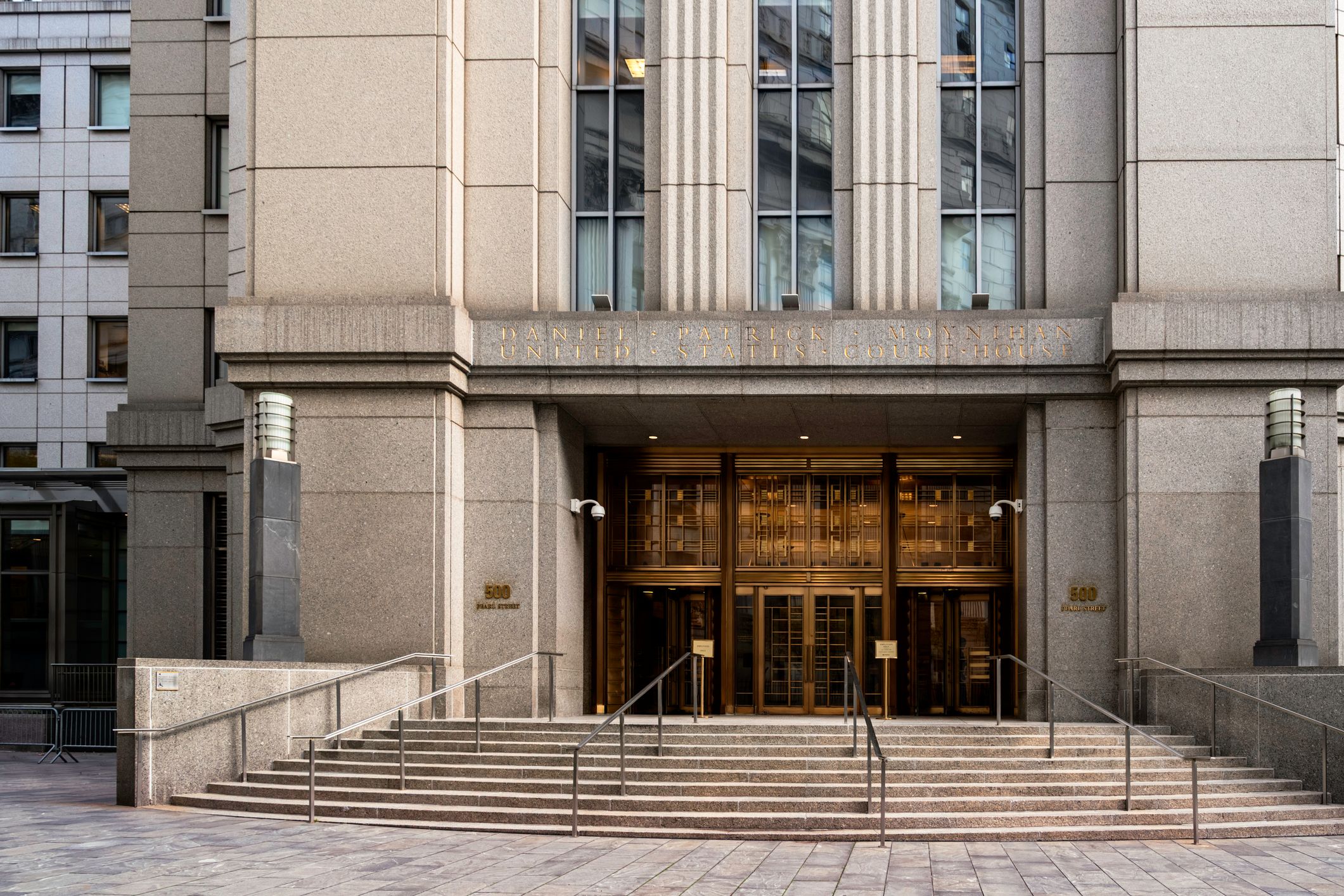
In her decision, U.S. District Judge Jeannette A. Vargas of the Southern District of New York ruled the freeze exceeded Secretary of State Marco Rubio’s authority under the Immigration and Nationality Act (INA). The decision came out of Catholic Legal Immigration Network, Inc. (CLINIC) v. Rubio, a case brought in February by CLINIC, African Communities Together, five intending immigrants, and six U.S. citizens petitioning for family members.
The 75 country immigrant visa freeze, announced by the State Department on January 14, 2026 and effective January 21, instructed consular officers to refuse immigrant visas under INA § 221(g) to nationals of 75 designated countries, even when the officer had already found the applicant eligible and had identified no ground of inadmissibility.
What did the court find unlawful about the 75-country visa freeze?
The court held that arrangement broke the law three ways:
- Nationality discrimination. INA § 202(a)(1)(A) says no one may "be discriminated against in the issuance of an immigrant visa because of the person's race, sex, nationality, place of birth, or place of residence." The court found the policy did exactly that.
- Refusals with no legal basis. Section 221(g) allows a refusal only when an applicant is ineligible or the application is incomplete. A federal regulation, 22 C.F.R. § 40.6, bars refusals except "upon a ground specifically set out in the law." The policy required refusals in cases where neither applied.
- Exceeding the Secretary's authority. INA § 104(a) charges the Secretary of State with administering the immigration laws except the powers consular officers hold over granting or refusing visas. The judge ruled that Rubio's cable overrode that carve-out.
The court did side with the State Department on a point: it held the freeze doesn't conflict with the public-charge provision, since it still requires individualized public-charge assessments before an officer can refuse on that ground.
How is this ruling different from the last one?
This is the second court to find the immigrant visa freeze unlawful, but the first one to vacate it.
In a July 31 ruling, a U.S. district judge agreed the policy broke the law but granted only narrow relief, ordering the State Department to re-adjudicate the single plaintiff's case. This decision vacated the policy outright, and is the same remedy a Rhode Island district judge used in June when it vacated four USCIS policies pausing benefits processing for nationals of 39 countries.
What affected applicants should do now
Manifest immigration attorney Ana Gabriela Urizar says applicants whose immigrant visas were refused under 221(g) solely because of their nationality should be in line for re-adjudication, but the State Department has not yet issued public guidance on how it will handle those cases.
“For the time being, we’ll have to wait until new guidance from the State Department comes out,” she says. “An appeal may happen in the near future, but for the time being, it’s worth monitoring the news for more updates.”
The government has not said whether it will appeal to the U.S. Court of Appeals for the Second Circuit or seek a stay. Both parties have until September 11 to tell the court how they want to handle the remaining claims in the case.
This is a developing story. We’ll continue to update this article as more information gets released.
About the Author

Staff Writer
Caryl Espinoza Jaen is a Nicaraguan-born staff writer for Manifest Law. As a writer, he strives to cover complex topics like immigration policy with clarity, accuracy, and precision.
Read bioReviewed By

Immigration Lawyer to Manifest Law
Ana Gabriela Urizar is an award-winning immigration attorney licensed in Arizona and New York. With nearly a decade of experience, she advises global corporations on complex U.S. immigration matters. Originally from Guatemala, Ana Gabriela previously spent close to ten years at the world’s largest immigration firm, managing business immigration matters for leading technology, science, and financial companies. She has been recognized by Best Lawyers: Ones to Watch (2027) and Negocios Now’s Tri-State 40 Under 40.
Read bioShare this article: