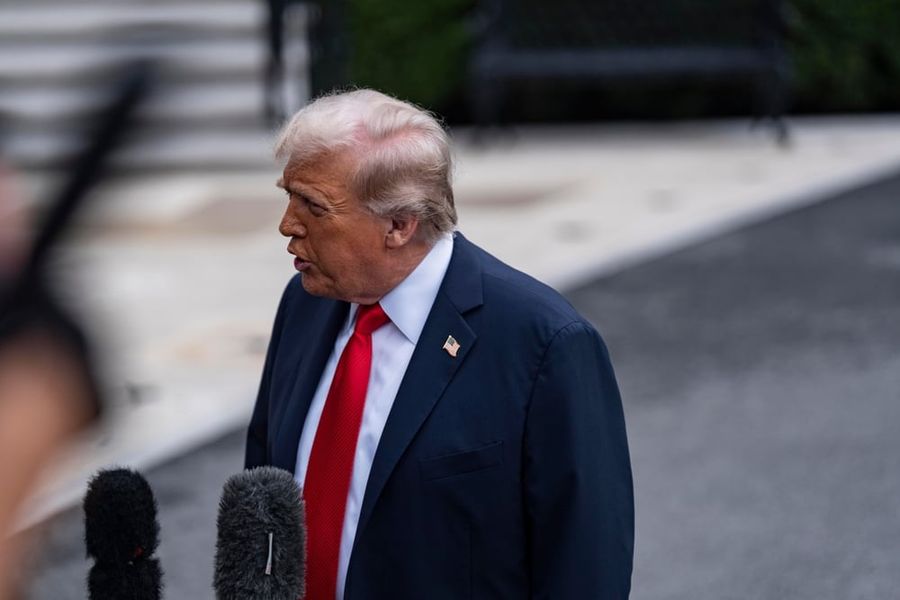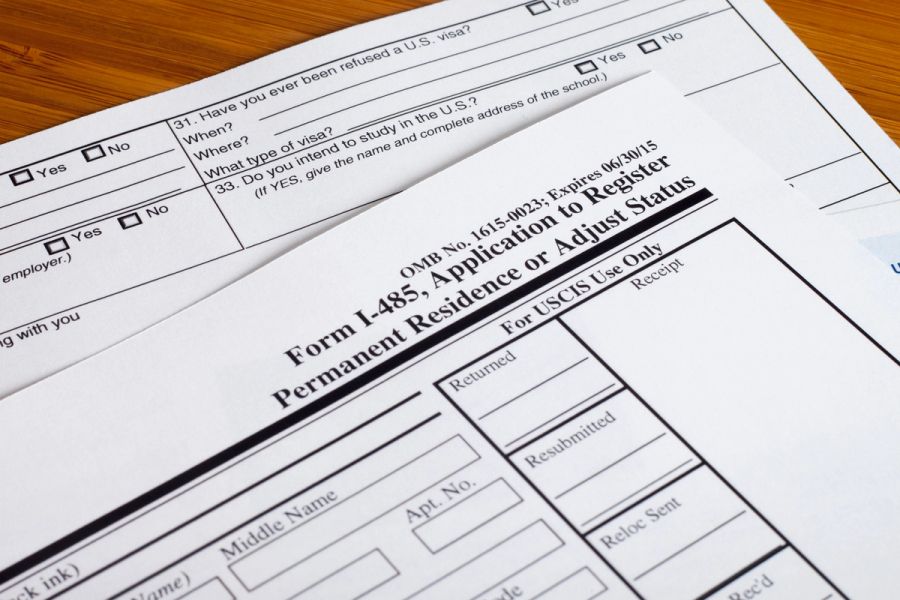
President Donald Trump signed an executive order on Sept. 18, 2026, that tells federal agencies to consider an employer’s layoffs—in the previous year and planned layoffs—when they review H-1B filings. The White House claims some employers have laid off American workers, then hired lower-paid H-1B workers in their place.
The order also looks backward. By Oct. 18, the Labor Department must start reviewing Labor Condition Applications (LCAs) that employers have already filed to decide whether investigations are warranted.
What does the H-1B executive order require?
Executive Order 14431 requires the State Department, the Labor Department, and the Department of Homeland Security to take an employer’s layoffs into account in H-1B cases. They must consider whether a sponsoring employer laid off similarly situated U.S. workers in the previous year, or has plans to do so.
It doesn’t define “similarly situated” or even “layoffs.” No agency has issued guidance yet on how it will use information about layoffs.
Agencies must take layoffs into account at four points: when the Labor Department certifies the LCA, when U.S. Citizenship and Immigration Services reviews the petition, when the State Department issues the visa, and when the worker enters the country. The order doesn't state whether layoffs could lead to a denial.
The three agencies must also consult with the Commerce Department, the Education Department, and the Small Business Administration. Those agencies will provide wage, employment, academic, and economic data.
The Labor Department’s Wage and Hour Division must begin its review of past LCAs within 30 days. The order points to a section of immigration law that permits the department to investigate an H-1B employer when it has reasonable cause to believe the employer violated LCA rules.
The White House says the order targets what it calls widespread abuse of the H-1B program.
How is this different from existing H-1B layoff rules?
The order covers a longer period, and possibly more employers, than current law. Existing H-1B rules limit layoffs only in narrow cases.
Today, H-1B-dependent employers and willful violators (employers found to have knowingly broken H-1B wage or filing rules in the past five years) can’t displace a similarly employed U.S. worker within 90 days before or after filing an H-1B petition. An H-1B-dependent employer is generally one where H-1B workers make up at least 15% of the workforce, for those employers with 50+ employees.
The order looks back a full year and covers planned layoffs. Its text isn’t limited to H-1B-dependent employers.
It also covers employers that “directly or indirectly” laid off workers, though it doesn’t define those terms. Employers won’t know how far the review reaches until agencies issue more guidance.
The Trump administration has issued a number of new rules affecting H-1B visas. Earlier this month, a new extension fee hit employers with 50 or more U.S. workers, where more than half are on H-1B or L-1 status. On the same day this executive order was issued, Trump extended the $100,000 H-1B fee, though the original rule is currently enjoined by a court ruling. And the administration has proposed a rule eliminating the 60 day grace period for H-1Bs and other employment based categories once their employment has ceased.
What should employers with recent layoffs do now?
As of Sept. 24, no agency has changed H-1B forms or filing steps because of the order. While employers can keep filing, they should prepare for questions about past layoffs, and discuss with counsel.
A first step is to compile a list of any layoffs from the past 12 months. For each one, note the job titles, duties, and work locations affected. Compare them with the roles the company sponsors or plans to sponsor.
That record can help an employer respond quickly to any inquiries about layoffs.
“H-1B employers should expect increased scrutiny by USCIS, especially those that have had or are planning layoffs,” said Sairah Saeed, immigration attorney and legal quality lead for Manifest Law. “These employers should carefully consider, and discuss with counsel, whether to proceed with filing H-1B petitions, as the layoffs may be considered a negative factor. Also, employers who are planning potential layoffs may see increased RFEs as USCIS will be looking more closely at this information. H-1B employers that have any concerns regarding these issues, should discuss with counsel.”
What happens next?
The Wage and Hour Division must start its review by Oct. 18. Agency guidance could follow.
This is a developing story. We’ll update it as more information is released.
About the Author

Senior Staff Writer
Myles Ma is a veteran editor and journalist who has spent his career untangling complicated, sometimes unpleasant topics to help readers make smarter decisions. His reporting and insights have been featured in major outlets including the Washington Post, PBS, and CNBC.
Read bioReviewed By

Legal Quality Lead
Former Associate General Counsel at USCIS overseeing various agency training and professional responsibilities programs. Prior to USCIS, Sairah was a trial attorney at the Department of Justice in Washington DC. Before her work in the public sector, Sairah was in the private sector as an attorney in leading immigration law firms handling a variety of cases ranging from litigation and litigation support to business immigration and naturalization cases.
Read bioShare this article: