250k+
Cases Filed by Manifest Lawyers*
One place to understand your options, learn from attorneys who file researcher cases daily, and take the next step. We build petitions around where you are in your career, not a generic checklist.
250k+
Cases Filed by Manifest Lawyers*
11+
Average years of experience per attorney*

Trusted Experienced Lawyers






Between them they cover the categories researchers actually file — EB-1A, EB-1B, EB-2 NIW, and O-1A — including the RFE and NOID responses for when an adjudicator pushes back.
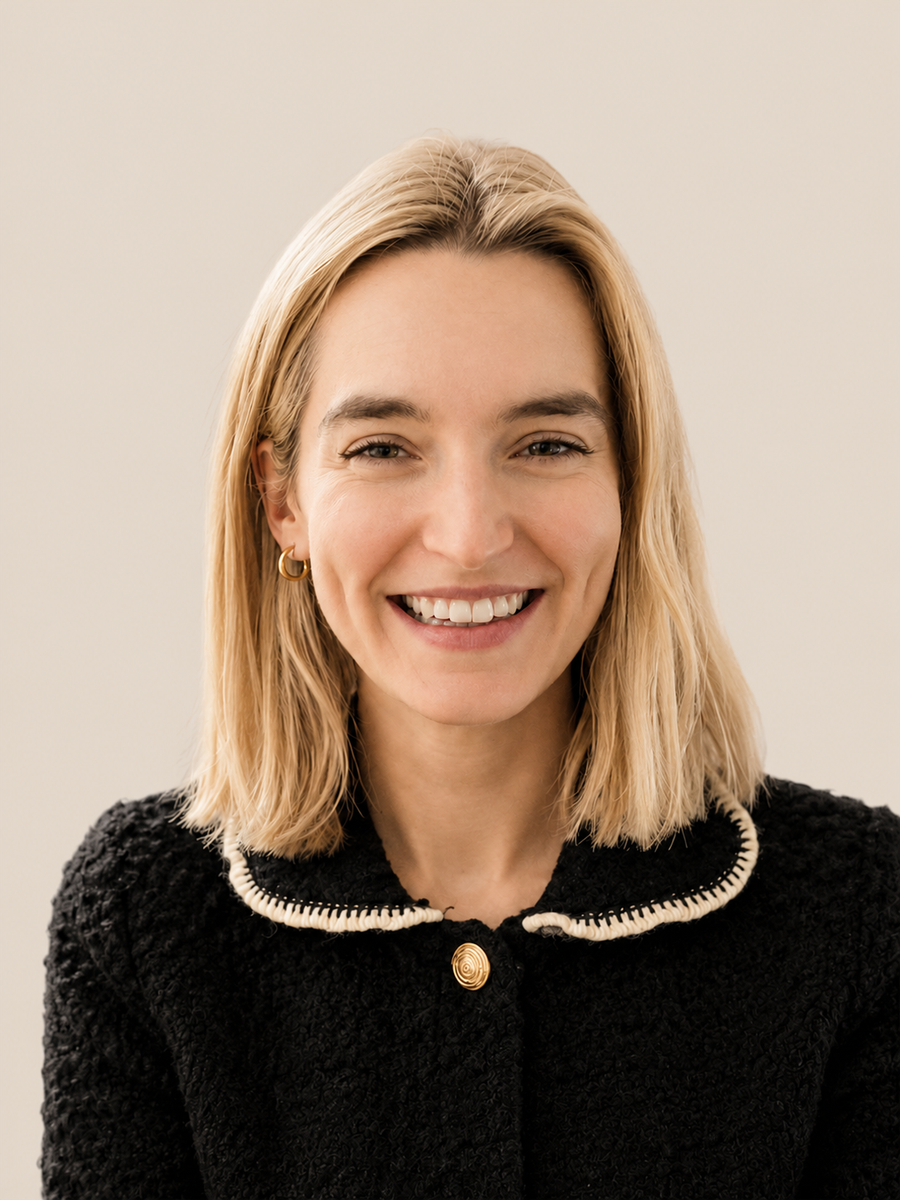
Elizabeth's practice covers both sides of a petition — the compliance and regulatory obligations that fall on the petitioning employer, and the individual's own case. Her experience spans corporate and humanitarian immigration. University of Illinois Chicago. Admitted in Illinois and Arizona, an AILA member, and practices in English and Spanish.

Mayra's practice is talent-based employment immigration, with deep expertise in exactly the categories researchers file: EB-1A, EB-1B, EB-2 NIW, and O-1A. Her caseloads have been writing-intensive by design — turning a complicated academic record into USCIS-ready evidence. Thurgood Marshall School of Law. Admitted in Texas since 2018.

Rami has represented clients in hundreds of filings including PERM, H-1B, and NIW — three routes that recur in academic and research hiring. Her practice spans business, healthcare, and family immigration, and she advises companies on immigration compliance. University of Pittsburgh School of Law, J.D. Admitted in New Jersey since 2005, and an AILA member.

Natasha specializes in employment-based immigration — EB-1, EB-2 NIW, and O-1 — the categories most researchers end up choosing between. A decade of high-volume caseloads across corporate practices, nonprofit legal services, and her own firm. American University Washington College of Law. Admitted in Washington DC since 2018.

Murty has spent nearly two decades on EB-1A, EB-1B, O-1A, and O-1B petitions, and on the RFE and NOID responses that follow when a petition is challenged. Chicago-Kent College of Law. Admitted in Illinois and Colorado since 2006, an AILA member, and practices in English and Telugu.

Rachael works exclusively on EB-2 NIW and Exceptional Ability petitions, and has secured approvals for researchers across biomedical research and academia — including profiles that don't look conventional on paper. Willamette University School of Law. Admitted in New Mexico, and a member of the American Immigration Lawyers Association.
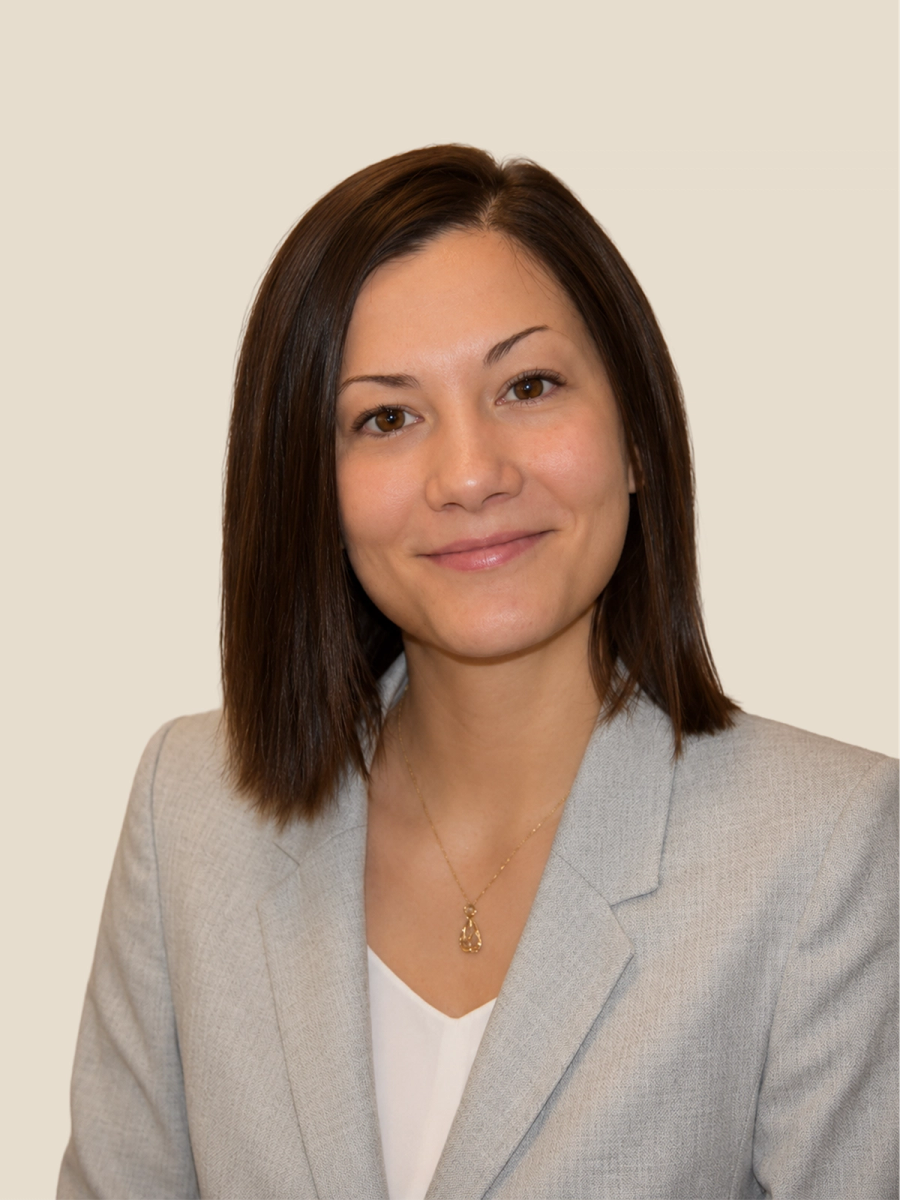
Charlee's practice includes PERM labor certification and employment-based green cards — the employer-sponsored route — alongside nonimmigrant visas and immigration compliance. Named an “Associate to Watch” by Chambers USA for 2024–2025. Case Western Reserve University. Admitted in New Jersey and West Virginia, and an AILA member.
Elizabeth's practice covers both sides of a petition — the compliance and regulatory obligations that fall on the petitioning employer, and the individual's own case. Her experience spans corporate and humanitarian immigration. University of Illinois Chicago. Admitted in Illinois and Arizona, an AILA member, and practices in English and Spanish.
Mayra's practice is talent-based employment immigration, with deep expertise in exactly the categories researchers file: EB-1A, EB-1B, EB-2 NIW, and O-1A. Her caseloads have been writing-intensive by design — turning a complicated academic record into USCIS-ready evidence. Thurgood Marshall School of Law. Admitted in Texas since 2018.
Rami has represented clients in hundreds of filings including PERM, H-1B, and NIW — three routes that recur in academic and research hiring. Her practice spans business, healthcare, and family immigration, and she advises companies on immigration compliance. University of Pittsburgh School of Law, J.D. Admitted in New Jersey since 2005, and an AILA member.
Natasha specializes in employment-based immigration — EB-1, EB-2 NIW, and O-1 — the categories most researchers end up choosing between. A decade of high-volume caseloads across corporate practices, nonprofit legal services, and her own firm. American University Washington College of Law. Admitted in Washington DC since 2018.
Murty has spent nearly two decades on EB-1A, EB-1B, O-1A, and O-1B petitions, and on the RFE and NOID responses that follow when a petition is challenged. Chicago-Kent College of Law. Admitted in Illinois and Colorado since 2006, an AILA member, and practices in English and Telugu.
Rachael works exclusively on EB-2 NIW and Exceptional Ability petitions, and has secured approvals for researchers across biomedical research and academia — including profiles that don't look conventional on paper. Willamette University School of Law. Admitted in New Mexico, and a member of the American Immigration Lawyers Association.
Charlee's practice includes PERM labor certification and employment-based green cards — the employer-sponsored route — alongside nonimmigrant visas and immigration compliance. Named an “Associate to Watch” by Chambers USA for 2024–2025. Case Western Reserve University. Admitted in New Jersey and West Virginia, and an AILA member.
/THE RESEARCH CAREER MAP
Academia and industry open different doors. Where you work changes which visas and Green Cards are realistically on the table.

Cap-exempt H-1B means no lottery, any time of year. J-1 is the common entry, with a home residency requirement to plan around. EB-1B is the employer-petitioned green card built for this — and tenure-track roles get Special Handling PERM, which is faster than the standard process.

O-1A is the common bridge into company and startup roles. H-1B usually means the cap and the lottery, unless your employer is cap-exempt by affiliation. EB-1B is possible, but only if your employer has a documented research department and three full-time researchers. Otherwise it's standard PERM, which is slow.
EB-1A and EB-2 NIW sit outside this split — self-petitions, no sponsor, equally open on either side.

/GUIDES FOR RESEARCHERS
Plain-English guides grouped by topic. Start anywhere — the map above points you to the cluster that matches your stage.

All employment and work visas for researchers.
Clearing the two-year home-residency requirement.
The employer-petitioned path that skips PERM.
Self-petition on the strength of your record.
/EVENTS & WEBINARS
Four sessions led by our attorneys — watch the full recordings anytime.
In this session, Manifest immigration attorney Elizabeth Mavec walks through the Green Card pathways most relevant to academics and researchers (including the EB-1A, EB-1B, and EB-2 NIW categories), and how to think about which one fits your career stage and institutional situation.
 Elizabeth Mavec
In this session, Manifest immigration attorney Elizabeth Mavec walks through how the technical and research work AI professionals do maps onto extraordinary ability criteria — and what it takes to turn that work into a compelling petition.
Elizabeth MavecThe Department of Homeland Security has finalized a rule that ends Duration of Status (D/S) for international students and exchange visitors. After September 15, 2026, F and J visa holders will be admitted for the length of their program, capped at four years, plus a 30-day grace period.
 Ana Gabriela Urizar
The EB-2 National Interest Waiver remains one of the most accessible self-petition Green Card options — but adjudication patterns are shifting, and what makes a petition compelling in 2026 is worth understanding clearly before you file. This webinar covers both who qualifies and how to build a case that holds up. In this session, Manifest immigration attorney and former USCIS officer Evan Law walks through the NIW standard in depth, with a focus on strategy and what's working in the current adjudication environment.
 Evan J. Law
/FEATURED CASE STUDIES

Two professors at the same institution secured EB-1B approval and adjusted status together through employer-sponsored petitions, with no PERM required.

A quantitative researcher secured EB-1A approval after responding to an RFE on original contribution, using citation data and forecasting work.
Two professors at the same institution secured EB-1B approval and adjusted status together through employer-sponsored petitions, with no PERM required.
A quantitative researcher secured EB-1A approval after responding to an RFE on original contribution, using citation data and forecasting work.
*Prior results do not guarantee future outcomes.

/LET'S BEGIN
We help you figure it out. Then we work tirelessly to achieve your immigration goals.