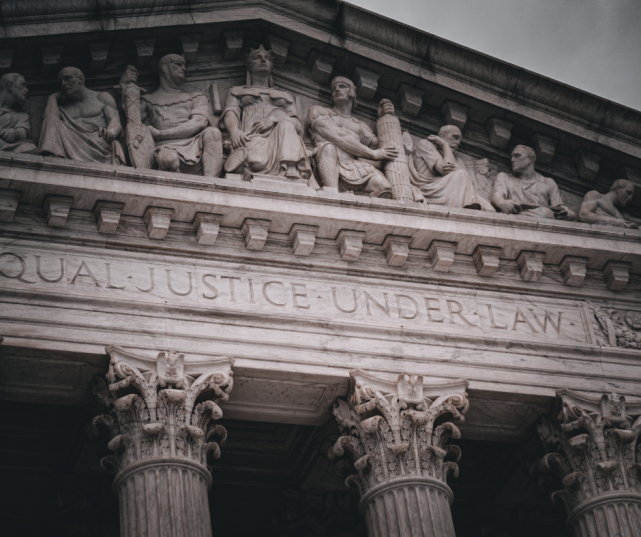
The Supreme Court ruled that children born in the United States to parents who are unlawfully or temporarily present are citizens at birth.
The case challenged Executive Order 14160, which President Trump signed on January 20, 2025. That order stated that these children were not “subject to the jurisdiction” of the United States and thus, not entitled to U.S. citizenship. Chief Justice John Roberts, writing for the majority, ruled that children born on U.S. soil to such parents are citizens under the Fourteenth Amendment's Citizenship Clause.
This 6-3 decision, issued on June 30, affirms a New Hampshire District Court decision that had previously blocked implementation of the executive order nationwide. Justices Sotomayor, Kagan, Barrett, and Jackson joined Roberts in the majority decision, with Justice Kavanaugh agreeing the order could not stand. Justices Thomas, Alito, and Gorsuch dissented.
The ruling leaves long-standing practice in place: a U.S. birth certificate remains proof of citizenship, and the Trump administration’s executive order imposing limitations on those born to parents unlawfully or temporarily in the United States is unlawful.
About the Author
Staff Writer
Caryl Espinoza Jaen is a Nicaraguan-born staff writer for Manifest Law. As a writer, he strives to cover complex topics like immigration policy with clarity, accuracy, and precision.
Read bioReviewed By

Immigration Lawyer to Manifest Law
Ana Gabriela Urizar is an award-winning immigration attorney licensed in Arizona and New York. With nearly a decade of experience, she advises global corporations on complex U.S. immigration matters. Originally from Guatemala, Ana Gabriela previously spent close to ten years at the world’s largest immigration firm, managing business immigration matters for leading technology, science, and financial companies. She has been recognized by Best Lawyers: Ones to Watch (2027) and Negocios Now’s Tri-State 40 Under 40.
Read bioShare this article: