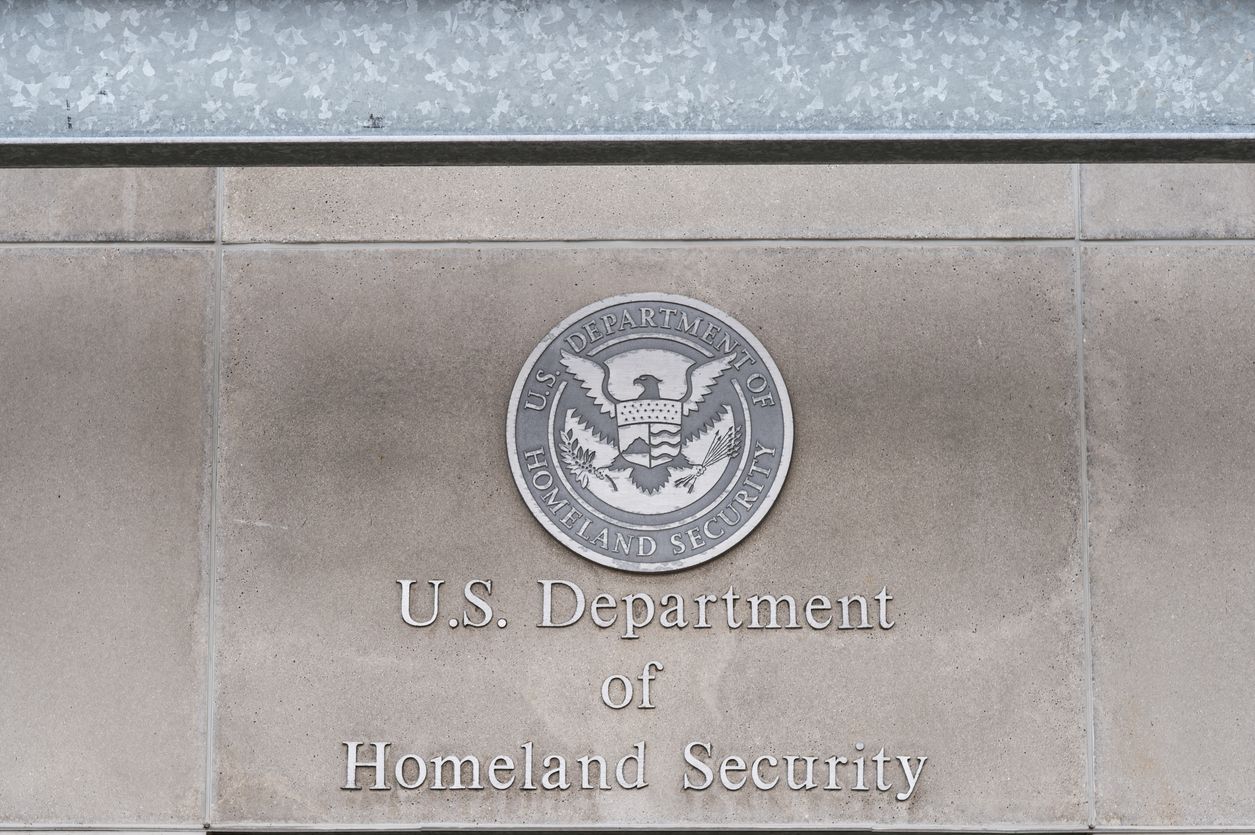
UPDATE: On August 27, 2026, the White House's Office of Information and Regulatory Affairs cleared the Department of Homeland Security's proposal to end the H-1B grace period.
The Department of Homeland Security (DHS) wants to end the 60-day grace period that lets H-1B workers keep their status after losing a job.
On August 6, 2026, the agency sent the proposal, titled “Eliminating the Discretionary 60-day Grace Period” (RIN 1615-AD22), to the White House's Office of Information and Regulatory Affairs (OIRA) for review.
The contents of the proposed rule are not public yet. Now that OIRA has completed its review, DHS can publish the proposal in the Federal Register.
Since 2017, the grace period has given H-1B workers and other nonimmigrants up to 60 days to find a new sponsor, change status, or leave the country after their job ends. Manifest immigration attorney Ana Gabriela Urizar says removing it would mean an immediate loss of legal status for anyone hit by a layoff.
“The 60-day grace period gives H-1B workers a critical window to find a new employer and continue the lives they have built in the United States. These are individuals who may have mortgages or leases, car payments, and children enrolled in school,” she says. “Without that grace period, an unexpected layoff would not simply mean losing a job; it could immediately put a family's ability to remain in the United States into question. Sixty days may seem like a small amount of time, but for a worker trying to secure new sponsorship and keep their family's life stable, it can make an enormous difference.”
This is a developing story. Our team will monitor this proposed rule and update this article as more information becomes available.
FAQs About the H-1B 60-Day Grace Period Proposal
Has the H-1B 60-day grace period been eliminated?
No. As of August 27, 2026, the 60-day grace period remains available. DHS submitted a proposed rule to the White House Office of Information and Regulatory Affairs (OIRA) on August 6, 2026, and OIRA cleared it on August 27, but the rule has not been published, has not gone through public comment, and is not final.
H-1B workers whose employment ends today are generally still able to use up to 60 days to find a new sponsoring employer, change status, or depart the United States. This grace period has always been discretionary.
What is this proposed rule called?
The proposal is titled “Eliminating the Discretionary 60-day Grace Period” and tracked under RIN 1615-AD22. DHS sent it to OIRA for review on August 6, 2026. You can view the docket entry on reginfo.gov.
The full text is not public. Proposed rules are only published in the Federal Register after OIRA completes its review. OIRA finished its review on August 27, 2026, so publication is the next step, but the specific provisions, including exactly what would replace the current grace period, are not yet known.
Does this affect H-4 dependents and other visa holders?
Yes, as the 60-day grace period is not limited to H-1B. Based on the categories that currently benefit, a change would reach workers in H-1B, H-1B1, L-1, O-1, E-1, E-2, E-3, and TN status, and their dependents—including H-4 spouses and children.
Because the rule text is not public, we cannot confirm the precise scope DHS intends. We will update this page when the proposed rule is published in the Federal Register.
What are the chances this rule takes effect?
Nothing changes immediately. Rule changes like this must move through a formal process before becoming final, and Manifest immigration attorney Ana Gabriela Urizar notes we could still be several weeks or months away from any real change to the grace period.
Here is what we expect to happen next:
- OIRA review — complete. The White House Office of Information and Regulatory Affairs cleared the proposal on August 27, 2026.
- Publication in the Federal Register. With OIRA review complete, DHS can publish the rule as a Notice of Proposed Rulemaking, which triggers a 30- to 60-day notice-and-comment period where the public can submit feedback and suggest changes.
- Final rule. DHS must consider the public's feedback and would publish a final rule weeks or months later.
At this point, the proposal is still in the early stages of the government's formal rulemaking process. If you are on an H-1B or another nonimmigrant status such as E-2, L-1, O-1, or TN, your grace period after a layoff remains intact today.
About the Author

Staff Writer
Caryl Espinoza Jaen is a Nicaraguan-born staff writer for Manifest Law. As a writer, he strives to cover complex topics like immigration policy with clarity, accuracy, and precision.
Read bioReviewed By

Immigration Lawyer to Manifest Law
Ana Gabriela Urizar is an award-winning immigration attorney licensed in Arizona and New York. With nearly a decade of experience, she advises global corporations on complex U.S. immigration matters. Originally from Guatemala, Ana Gabriela previously spent close to ten years at the world’s largest immigration firm, managing business immigration matters for leading technology, science, and financial companies. She has been recognized by Best Lawyers: Ones to Watch (2027) and Negocios Now’s Tri-State 40 Under 40.
Read bioShare this article: