Key Takeaways
- U.S. visas fall into two categories: non-immigrant (temporary stay) and immigrant (Green Card paths), and the right choice depends on your goals and length of stay.
- Your visa type determines what you can do in the U.S., including work, study, bringing dependents, or applying for permanent residency.
- Changing visa categories from inside the U.S. is possible but complex, requiring strict compliance with immigration law to avoid delays or denials.
- The visa process is multi-step and detail-driven, from choosing the correct classification to submitting accurate forms and preparing for approval.
Whether you're planning a short stay or building a long-term life in the United States, your visa type determines what you're allowed to do, how long you can stay, and whether you can eventually apply for a Green Card.
There are two broad categories of visa: immigrant and nonimmigrant. The one you need depends on what you intend to do when you arrive, with the former granting you the right to live and work permanently in the U.S. and the latter being for more temporary stays, such as for travel or school.
This guide breaks down how immigrant and nonimmigrant visas work and the different types of situations in which you might need one or the other.
What is an immigrant vs. nonimmigrant visa?
A U.S. visa allows you to apply for entry into the country. Whether you're coming for travel, study, or a permanent move, your visa type determines the rules of your stay.
The U.S. government divides visas into two main categories:
- Nonimmigrant visas are for temporary visits (think tourism, short-term work assignments, or study)
- Immigrant visas are for those intending to live or work in the U.S. permanently
Only the immigrant visa allows you to make long-term plans to stay in the U.S., such as bringing your family and applying for lawful permanent residency (Green Card).
There are dozens of subcategories of the two main visa types, including those for temporary workers, relatives, religious workers, and even victims of human trafficking and other crimes. Understanding which visa fits your goals is the first step toward getting approved and staying on the right side of U.S. immigration law.
Are a visa and a Green Card the same thing?
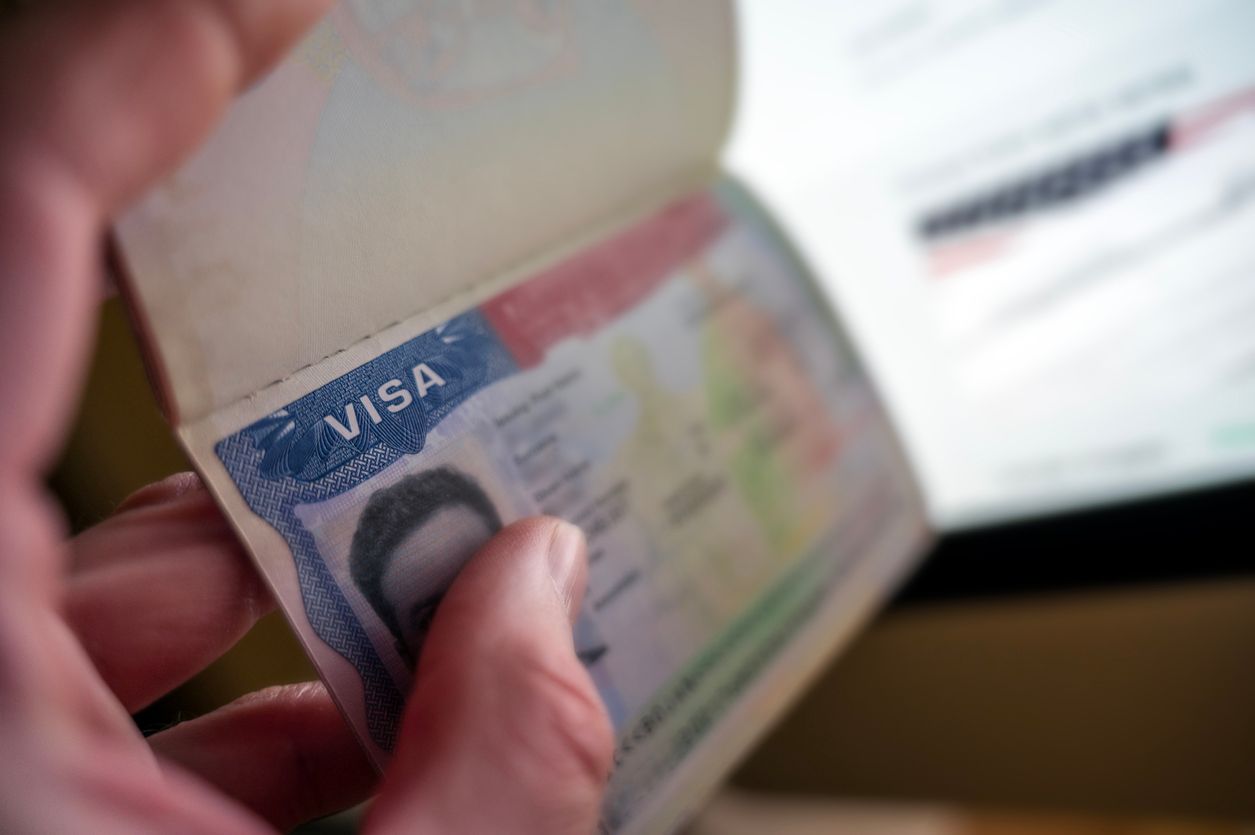
No, a visa and a Green Card are not the same. A visa allows you to apply for entry into the U.S. for a specific purpose and time, such as visiting, studying, or working. It’s stamped in your passport and granted before you arrive.
A Green Card, on the other hand, gives you permanent resident status. It lets you live and work in the U.S. indefinitely. If your immigrant visa is valid and you meet the legal requirements, you may be able to apply for a Green Card.
Choosing the right path from the start can make all the difference in your immigration journey. Whether you're entering on a temporary visa or aiming for permanent residency, Manifest Law’s experienced immigration attorneys can help you avoid costly missteps and build a strategy that fits your goals. Learn more about working with our experienced visa lawyers here.
Nonimmigrant visa categories: Temporary stays in the U.S.
Nonimmigrant visas are for people who want to come to the U.S. for a limited time, not to stay permanently. While nonimmigrant visas are often used for tourism, study, and temporary work, the category is broad enough to include visiting scholars, athletes and performance artists, people seeking medical treatment, and victims of criminal activity.
These visas are purpose-specific and come with strict conditions. Most require you to prove that you plan to return to your home country after your stay.
Tourism & business visitors (B-1/B-2)
The B-1 visa is for business visitors attending meetings, negotiations, or industry events. The B-2 visa is for tourists and people seeking medical treatment. Often, they’re issued as a combined B-1/B-2 visa valid for both purposes. These visas do not allow you to work in the U.S.
Students and exchange visitors (F, M, J)
- F visas are for academic students enrolled in a U.S. school or language program.
- M visas are for vocational or non-academic programs, such as technical training.
- J visas cover exchange visitors participating in cultural or educational exchange programs, including scholars, researchers, interns, and au pairs.
Each category typically requires sponsorship by a U.S.-based institution or organization as well as proof of financial support.
Temporary workers and specialized talent (H, I, L, O, P, Q)
- H visas include skilled professionals (H-1B), seasonal workers (H-2A/B), and trainees.
- I visas are for foreign journalists and media representatives.
- L visas, such as the L1 visa and L-2 visa, are for intracompany transfers—employees moving from a foreign office to a U.S. branch.
- O visas, like the O-1 visa, are for individuals with extraordinary ability in science, arts, education, business, or athletics, as well as their dependents (O-3 visa) and support staff (O-2 visa).
- P visas cover athletes, entertainers, and artists coming to perform or compete.
- Q visas, namely the Q-1 visa, are for people enrolled in a cultural exchange program.
These work visas often have caps, employer sponsorship requirements, and strict timelines.
Transit and crew (C, D)
- C visas are for travelers passing through the U.S. en route to another country, provided that their own intention is to transit.
- D visas are for crewmembers of ships or international airlines who need to enter the U.S. as part of their duties.
These are short-term visas meant strictly for transit or work-related layovers.
Media, government, and diplomatic visas (A, G, NATO)
- A visas, including the A-1 and A-2 visas, are for diplomats and foreign government officials or military personnel.
- G visas are for representatives of international organizations (like the UN or IMF) as well as representatives of governments intending to meet with a designated international organization.
- NATO visas are issued to officials and employees of the North Atlantic Treaty Organization and their staff.
These visas fall under international agreements and often grant special privileges not available to most travelers, such as waived processing fees and personal interview requirements.
Immigrant visas: For permanent residency (Green Card paths)
Immigrant visas are for people who plan to live and work in the U.S. long term. These visas could lead directly to lawful permanent residency (Green Card).
There are two main paths to an immigrant visa:
- Employment-based: You’re sponsored by a U.S. employer, or you qualify based on your skills, achievements, or investment.
- Family-based: You’re sponsored by a relative who is a U.S. citizen, such as your spouse, your parent, your child, or your sibling, or, if you’re sponsored by a Green Card holder, your spouse or parent (if you’re unmarried).
Employment-based Green Cards (EB-1 to EB-5)
Employment-based Green Cards are for individuals who want to live and work in the U.S. permanently and who either have a job, a job offer, demonstrated exceptional ability in their field, or who have made substantial investments in U.S. businesses.
While these visas often need sponsorship from a U.S.-based organization or employer, some categories, like the EB-1A, allow for self-petitioning if you meet certain criteria.
The U.S. government divides employment-based Green Cards into five preference categories:
| Visa Type | Category Description |
|---|---|
| EB-1 | Priority workers, such as extraordinary ability, outstanding professors, and multinational executives |
| EB-2 | Advanced degree holders or individuals with exceptional ability |
| EB-3 | Skilled workers, professionals, and other workers |
| EB-4 | Special immigrants, such as religious workers, certain international employees |
| EB-5 | Immigrant investors who invest in U.S. job-creating businesses |
Family-based Green Cards (IR, CR, F categories)
U.S. citizens and Green Card holders can sponsor visas for certain relatives, allowing them to live and work in the U.S. long term.
Family-based Green Cards are grouped by relationship type and preference level:
| Category | Who It’s For |
|---|---|
| IR/CR | Immediate relatives, such as spouses, parents, and unmarried children under 21 of U.S. citizens |
| F1-F4 | Preference categories for other family members, like adult children and siblings |
| CR1/IR1 | Marriage-based Green Cards (conditional vs. immediate) |
Other immigrant visa categories
In addition to employment and family sponsorship, there are a few other ways to get a Green Card:
- Diversity Visa Lottery (DV): A limited program for nationals of countries with historically low U.S. immigration rates. Applicants are selected randomly but must meet eligibility criteria.
- Special Immigrants: For specific groups, including Afghan translators, religious workers, or employees of international organizations.
- Fiancé and Marriage-Based Visas (K-1, K-3):
What categories of visa allow you to work in the U.S.?
Not all U.S. visas allow employment. If your goal is to work legally in the United States, you’ll need a visa that includes work authorization—either directly or through a separate process.
Most employment-based visas, like the H-1B, O-1, L-1, and TN, allow you to work as soon as your petition is approved and your status is active. Some dependents, like H-4 spouses of H-1B visa holders, may also become eligible to work—but only after applying for an Employment Authorization Document (EAD) using Form I-765.
Green card applicants can often apply for temporary work authorization while their adjustment of status is pending. In employment-based Green Card cases, this typically comes after your PERM labor certification and Form I-140 have been approved or filed concurrently with Form I-485.
Before starting any job in the U.S., it’s essential to verify that your visa or status allows employment—and under what conditions. Unauthorized work can result in status violations and future immigration issues.
Start with clarity to end with confidence
If you're unsure about your options, your eligibility, or how recent immigration policy changes may impact you, it’s worth speaking with an immigration lawyer. The right guidance can save you months of stress and help you plan with confidence.
At Manifest Law, we help driven individuals, professionals, and families find the visa path that actually fits. Ready to move forward? Request a consultation with Manifest Law today to get strategic legal advice tailored to your goals, timeline, and long-term plans in the U.S.
Frequently Asked Questions
What is the Visa Waiver Program (VWP), and who qualifies?
The Visa Waiver Program (VWP) allows citizens of participating countries to travel to the U.S. for business or tourism for up to 90 days without a visa. However, travelers must apply for authorization through the Electronic System for Travel Authorization (ESTA) and meet strict eligibility requirements set by the U.S. Department of State and government agencies.
How do nonimmigrant treaty investor and treaty trader visas work?
A treaty investor (E-2) visa is for nonimmigrant individuals from countries with a qualifying treaty who invest a substantial amount of capital in a U.S. business. A treaty trader (E-1) nonimmigrant visa allows foreign nationals from a designated treaty country engaged in significant international trade with the U.S. to live and work here.
Can Canadian, Mexican, Chilean, and Singaporean citizens apply for special work visas?
Yes. Under free trade agreements, citizens of Singapore, and Chile may qualify for a specific worker visa called the H-1B1 for free trade agreement professionals. Canadians and Mexicans are also eligible for TN visas under the United States-Mexico-Canada Agreement (USMCA) for approved NAFTA professionals.
Can cultural exchange visitors apply for a Green Card later?
Participants on J-1 visas—part of a cultural exchange program—are generally expected to return home after their program ends. However, some may become eligible for a Green Card through adjustment of status, especially if they marry a U.S. citizen or qualify under an employment-based category. Many J-1 visa holders are subject to a two-year home residency requirement before applying for permanent status.
What’s the difference between a visa classification and a visa category?
A visa classification refers to the specific code assigned to a visa type, like H-1B for specialty occupations or L-1 for intra-company transferees. Visa categories are broader groupings, such as nonimmigrant or immigrant visas.
Can I switch from a nonimmigrant to an immigrant visa while in the U.S.?
Yes, but only under certain conditions. Many foreign nationals begin their U.S. journey on a nonimmigrant visa, like an H-1B or student visa (F-1), then later apply for a Green Card through adjustment of status. USCIS closely examines your intent, timing, and eligibility. A poorly timed move can lead to delays, including a Request for Evidence (RFEs), and even denial.
What role does the port of entry play in your visa process?
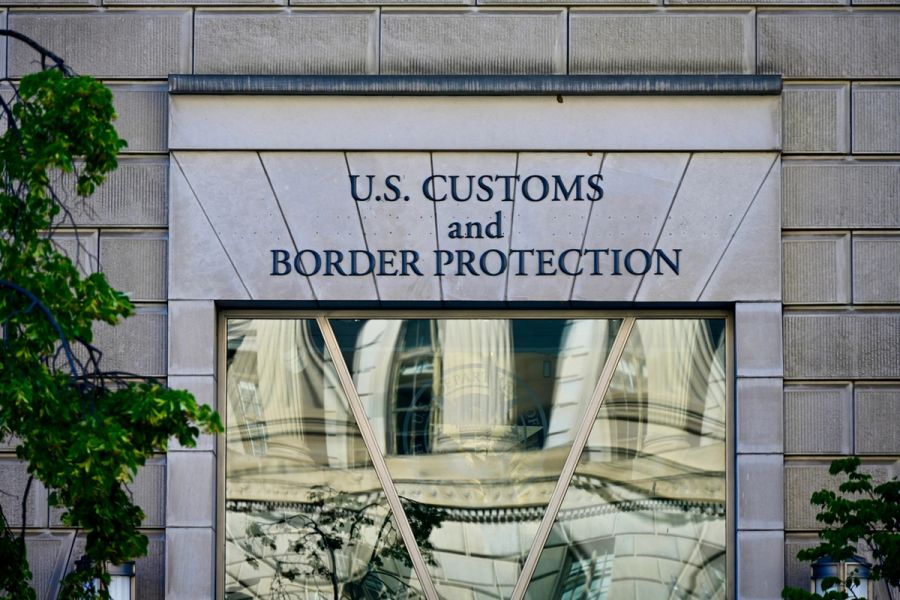
Even with an approved visa, your ability to enter the U.S. depends on inspection at the port of entry by a Customs and Border Protection (CBP) officer. They determine your final admission and may ask questions about your visa purpose, documentation, and travel history. Misstatements or incomplete documents at this stage can lead to denial of entry.
About the Author

Contributing Writer
Nupur Gambhir is a contributing writer at Manifest Law, where she turns complex visa info into clear, no-fluff guidance for people starting a new chapter in the U.S. She’s all about making the immigration process less overwhelming and more human.
Read bioReviewed By

Senior Immigration Attorney at Manifest Law
Henry is an Estonian American attorney licensed in Arizona with broad experience in employment-based immigration. He handles EB-1A, EB-2 NIW, O-1, and E-2 cases for founders, professionals, and creatives across industries worldwide, and has helped hundreds of clients achieve successful outcomes.
Read bioShare this article: