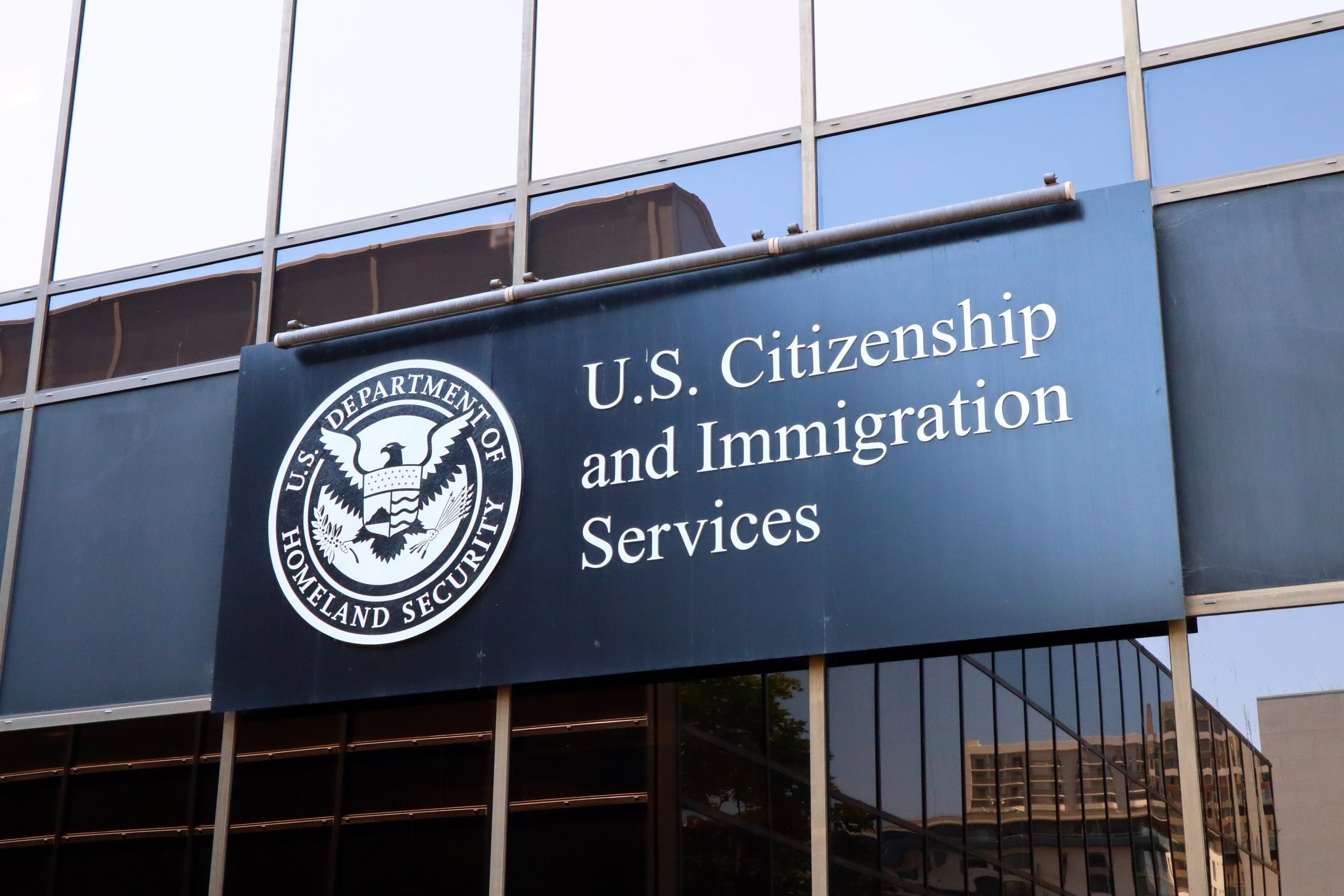
JUNE 10, 2026 UPDATE — Anecdotal evidence from the American Immigration Lawyers Association (AILA) suggests that some USCIS field offices are no longer asking applicants questions relating to the May 22, 2026 memo during Green Card interviews. AILA members are also reporting approvals for cases where memo-related questions were asked.
While it appears USCIS may be softening its stance regarding the memo, applicants are encouraged to report any Requests for Evidence (RFEs), Notices of Intent to Deny (NOIDs), denials, and interview questions related to the adjustment of status memo to their counsel.
Green Card applicants are also encouraged to continue to work with their attorneys to highlight positive equities regarding their cases during the application process and Green Card interviews. USCIS has not issued any formal guidance regarding implementation of the memo.
On May 21, 2026, USCIS issued a policy memorandum that tells officers to treat adjustment of status as an “extraordinary” form of relief. As a result, many applicants will need to apply for a Green Card via consular processing abroad instead of from within the U.S.
The memorandum (PM-602-0199) relies on a specific interpretation of the Immigration and Nationality Act to claim that people who entered the U.S. as nonimmigrants (temporary visa holders like students, workers, and tourists) are “expected” to depart before applying for permanent residence.
Manifest immigration attorney Ana Gabriela Urizar says this does not necessarily signal a major shift in how most properly prepared adjustment of status cases are analyzed. “What it does suggest, however, is that applicants and practitioners may need to place even greater emphasis on presenting the full picture of their positive equities, professional contributions, and long-term value to the United States,” she says.
She continues: “For many foreign workers already maintaining valid nonimmigrant status, adjustment of status has long been a well-established pathway to permanent residence under the Immigration and Nationality Act. In practice, most employment-based immigration attorneys already structure cases to comply closely with the INA and existing admissibility standards, particularly because many workers are sponsored through dual-intent visa categories that expressly contemplate future permanent residence.”
Here’s what the latest policy update includes:
- Officers are told to treat the choice to adjust inside the US, rather than depart for consular processing, as an adverse factor in the discretion analysis.
- Applicants in this position may need to show “unusual or even outstanding equities” to offset that adverse factor.
- Maintaining a dual intent nonimmigrant status is “not sufficient, on its own” to warrant a favorable exercise of discretion. It is important to show strong ties to the U.S. like a job, employment and family.
Non-discretionary adjustment of status pathways, which affect humanitarian categories such as VAWA self-petitioners, remain unaffected.
If you’re planning to file for an adjustment of status soon, Urizar urges you to seek an attorney before submitting Form I-485. “The key takeaway of this memorandum is that your Green Card petition should be presenting a clear argument for why you deserve to adjust status. That means showing your positive contributions, documenting your family ties, tax history, community involvement, career progression, and the life you’ve built here. This requires careful framing, and an experienced immigration attorney can help you out with that. Filing for an adjustment of status is more than just filling out a form. ”
About the Author

Staff Writer
Caryl Espinoza Jaen is a Nicaraguan-born staff writer for Manifest Law. As a writer, he strives to cover complex topics like immigration policy with clarity, accuracy, and precision.
Read bioReviewed By

Immigration Lawyer to Manifest Law
Ana Gabriela Urizar is an award-winning immigration attorney licensed in Arizona and New York. With nearly a decade of experience, she advises global corporations on complex U.S. immigration matters. Originally from Guatemala, Ana Gabriela previously spent close to ten years at the world’s largest immigration firm, managing business immigration matters for leading technology, science, and financial companies. She has been recognized by Best Lawyers: Ones to Watch (2027) and Negocios Now’s Tri-State 40 Under 40.
Read bioShare this article: