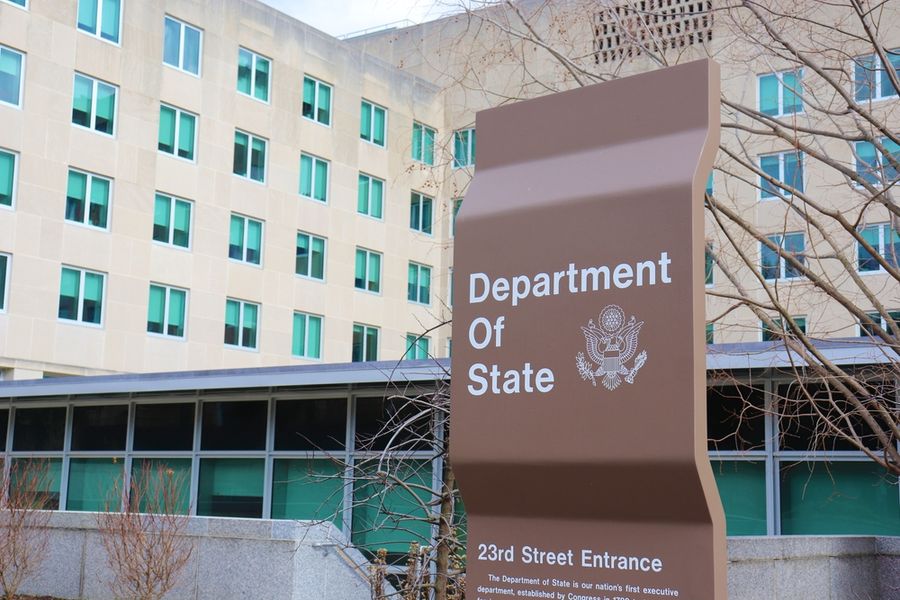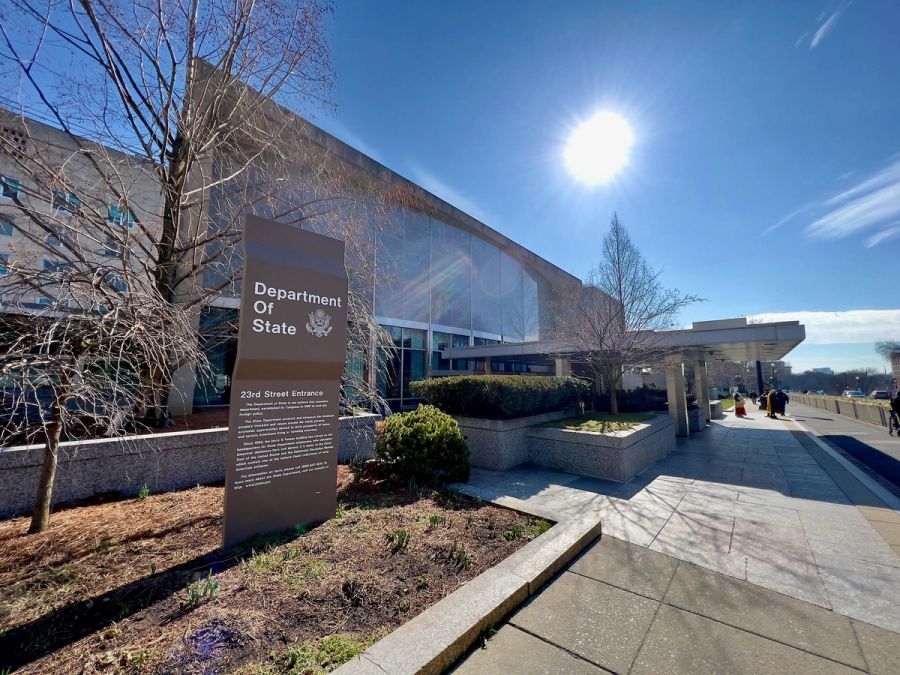
The State Department will now deny visas to certain people it believes are helping adversarial countries, their agents, or related enterprises operate in ways that undermine U.S. interests in the Western Hemisphere.
The policy is not a blanket ban on a nationality, and the government says it has already imposed visa restrictions on 26 people across the region.
What changed in this visa restriction policy?
According to an April 16th media note from the State Department, the new policy expands an existing restriction and applies to certain nationals of countries in the Western Hemisphere who are operating in the region on behalf of an adversarial country, agent, or enterprise.
The government says the policy can affect people who knowingly direct, authorize, fund, significantly support, or carry out activities it believes undermine U.S. interests.
The State Department gave several examples of the kinds of conduct it says may trigger a restriction. Those include helping adversarial powers gain control of key assets or strategic resources in the hemisphere, disrupting regional security efforts, undermining U.S. economic interests, and conducting influence operations aimed at weakening the sovereignty or stability of countries in the region.
Who could be affected?
This policy does not appear to bar all visa applicants from a particular country. Instead, it gives the government a way to address specific people it believes fall within the policy and find them inadmissible to the U.S.
The State Department also says immediate family members of designated individuals will generally be ineligible to enter the United States.
How is this different from the earlier 2025 policy?
This new measure expands a narrower visa restriction policy announced in September 2025.
That earlier version focused on Central American nationals working with the Chinese Communist Party (CCP) to undermine the rule of law in Central America. The new change is broader in two ways. First, it is no longer limited to Central America. Second, it is no longer framed only around China. Instead, it refers more broadly to adversarial countries, their agents, or enterprises in the Western Hemisphere.
What the announcement didn’t say
There is still a lot we do not know. The State Department says it has already imposed restrictions on 26 people, but it has not named them or explained how it will decide future cases. That may be partly because the government is relying on a foreign-policy provision of the immigration law that gives the Secretary of State broad discretion.
Instead of publishing a detailed new rule or issuing a presidential proclamation, the State Department has rolled this out through a media note and individual visa decisions. The department cites a section of the Immigration and Nationality Act (INA) that lets the Secretary of State deny visas when a person’s entry would have potentially serious adverse foreign policy consequences for the United States.
While the announcement doesn’t provide clear guidelines to be used by officers, it does give some insight into what may be taken into consideration when visas are denied or revoked.
If you’re concerned you could be affected, consider speaking with an immigration attorney before applying for a visa or traveling.
About the Author

Staff Writer
Amanda Sabetai is a staff writer for Manifest Law. She writes clear, well-researched content that helps readers understand the U.S. immigration process and navigate their immigration journey with confidence.
Read bioReviewed By

Immigration Lawyer to Manifest Law
Ana Gabriela Urizar is an award-winning immigration attorney licensed in Arizona and New York. With nearly a decade of experience, she advises global corporations on complex U.S. immigration matters. Originally from Guatemala, Ana Gabriela previously spent close to ten years at the world’s largest immigration firm, managing business immigration matters for leading technology, science, and financial companies. She has been recognized by Best Lawyers: Ones to Watch and Negocios Now’s Tri-State 40 Under 40.
Read bioShare this article: