The federal government shutdown has officially ended. On November 12, President Trump signed a spending package for FY 2026 that restored funding to most federal agencies through January 30. As a result, critical government functions can now fully resume — including ones important to U.S. immigration services.
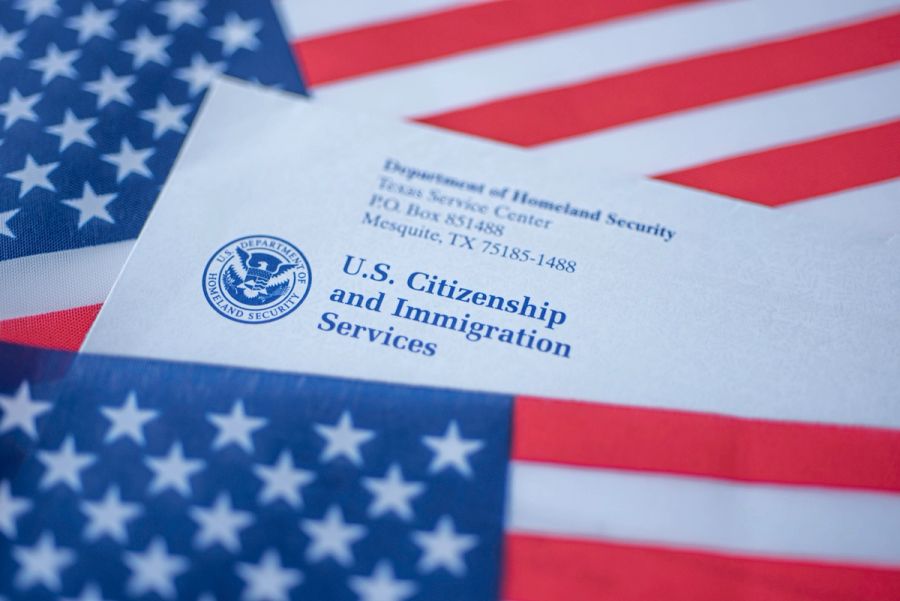
USCIS stayed open during the government shutdown because its operational costs are covered by filing fees. But due to the Department of Labor closing on October 1, many sponsors for employment-based visas could not kickstart the application process. As a result, many H-1B, EB-2, and EB-3 cases were delayed or put on pause.
The DOL resumed LCAs and PERM processing earlier on October 31, a few weeks before the government reopened. However, many cases could still be affected due to the backlog caused by the shutdown.
Embassies stayed open during the shutdown because the State Department gets some funds from consular fees. As a result, visa and passport processing at consulates remained largely unaffected.
Congress has until January 30 to enact the remaining FY 2026 appropriations. In the meantime, our team will continue publishing updates as new developments occur.
About the Author

Staff Writer
Caryl Espinoza Jaen is a Nicaraguan-born staff writer for Manifest Law. As a writer, he strives to cover complex topics like immigration policy with clarity, accuracy, and precision.
Read bioReviewed By

Princ. Immigration Attorney
Nicole is the founding legal architect and an immigration attorney with extensive experience across extraordinary ability, employment-based, and investment visas. As the founding legal architect, Nicole helped shape the engine of Manifest Law to serve our clients as effectively and strategically as possible.
Read bioShare this article: