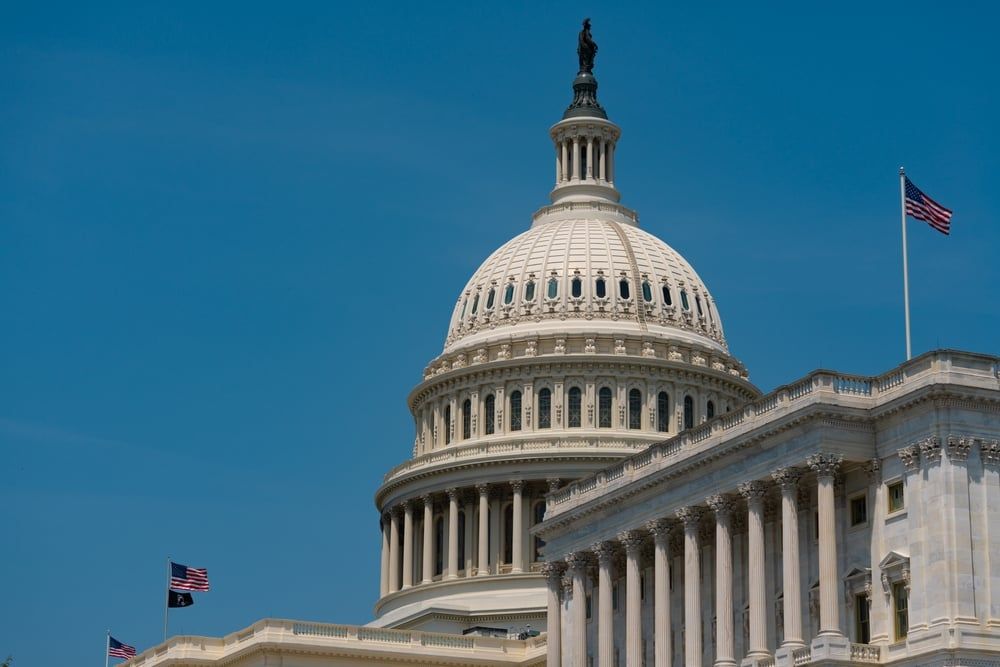
UPDATE - January 31, 2026: A new, partial government shutdown began after Congress did not pass the remaining funding package before the midnight ET deadline. The Senate has reached a new agreement, and the House is expected to vote on it on February 2. The package will fund government agencies through September, but the deal Senate Democrats reached with the Republican majority means that a new vote to fund the Department of Homeland Security will take place in two weeks.
Immigration services may be delayed as a government shutdown begins on October 1. As of Wednesday morning on October 1, President Trump failed to reach an agreement with Congressional leaders regarding a stopgap measure to extend funds to federal agencies until November.
With several federal agencies suspending operations, immigrants may expect disruptions and delays with their visa applications. The government shutdown would also cause issues for employers seeking to hire and onboard foreign talent, as critical services such as case processing or appeal hearings would be paused until the government shutdown ends.
Jump to a section: - How does a government shutdown affect U.S. immigrants?- Which agencies that handle U.S. immigration are affected by the government shutdown?-> U.S. Citizenship and Immigration Services-> Department of Labor-> Department of State- What will happen to visas that require PERM processing?- Why did the U.S. government shut down in the first place?- What else should visa applicants expect during a government shutdown?- What should immigrants and businesses do in case of a government shutdown?
How does a government shutdown affect U.S. immigrants?
During a government shutdown, the United States Citizenship and Immigration Services (USCIS) stays open, but the Department of Labor, which is federally funded, will stop processing labor condition applications—an important step in the process of hiring foreign workers, especially H-1Bs.
Manifest Law's Senior Counsel and immigration attorney Henry Lindpere explains, "During a shutdown, the Department of Labor stops handling labor condition applications. That step is required before an employer can hire someone on an H-1B, H-1B1, or E-3 visa. So even if USCIS is still open, those cases can’t move forward until DOL reopens. By contrast, visas that only go through USCIS, like the EB-2 NIW, EB-1A, and O-1, are less affected, since USCIS runs on filing fees and isn’t dependent on Congress for funding.”
Government shutdowns present the most risk for employer-sponsored immigration visas, as many of them require processing from the Department of Labor. Because the DOL largely relies on federal funding and cannot operate fully until a new budget is established, critical immigration requirements such as PERM processing, prevailing wage applications, and labor condition applications could be suspended until the shutdown lifts.
Which agencies that handle U.S. immigration are affected by the government shutdown?
Below are some of the federal agencies involved in the U.S. immigration system, and how a government shutdown could impact them.
| Federal agency | Impacted by the government shutdown? |
|---|---|
| U.S. Citizenship and Immigration Services (USCIS) | No, although visas that require certification from other government agencies may experience delays. |
| Department of Labor (DOL) | Yes, new and pending LCAs, prevailing wage determination, and other employment certification applications will be halted until the shutdown ends. |
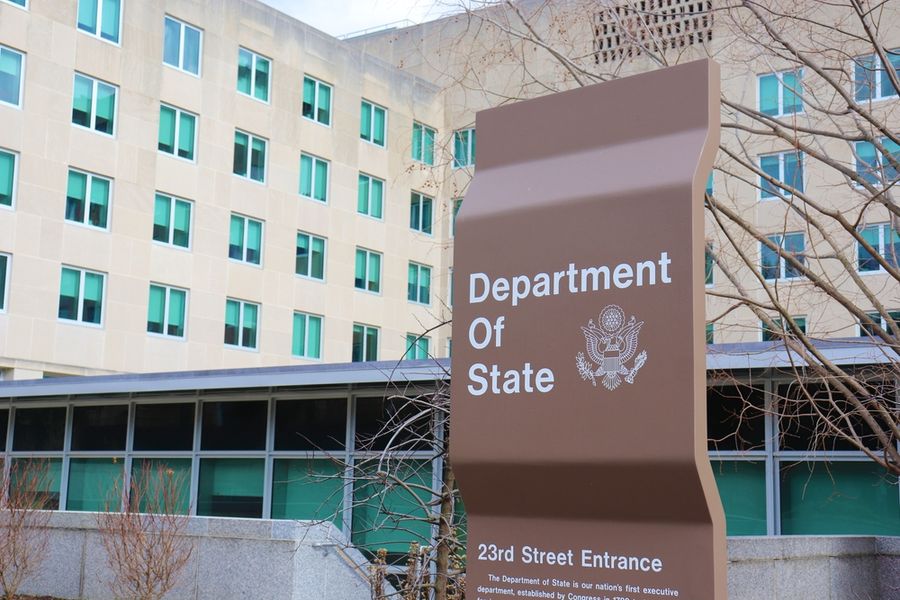
| Department of State (DOS) | Not right away, as consular services can run for a short time thanks to the DOS receiving partial funding through filing fees. |
| Customs and Border Patrol (CBP) | No, although staffing may be limited. |
U.S. Citizenship and Immigration Services
Most of the operations in the U.S. Citizenship and Immigration Services will continue operating during the government shutdown. The E-Verify program is the exception, as it cannot run without federal funding from the Department of Homeland Security.
Immigrants applying for employer-sponsored visas should prepare for longer wait times regardless of whether USCIS is running normally or not. Work certification requirements like LCAs and prevailing wage determinations require processing from federal agencies that rely on congressional funding.
Department of Labor
Most immigration-related operations have paused at the Department of Labor, as the federal agency receives most of its funding from Congress. This means that several key services required to process employer-sponsored visas are unavailable as a result, including:
- Labor Condition Applications (LCAs)
- PERM processing
- Prevailing wage determinations
- Temporary employment certifications
Additionally, the DOL has shut down access to FLAG, the online hub that employers can use to submit applications. This means that users cannot submit new PERM requests nor provide additional evidence for pending cases online.
Department of State
Because the U.S. Department of State receives partial funding from application and visa fees, consular services may continue during the government shutdown for a short time. However, embassies and consulates may be forced to cease operations if the government shutdown continues indefinitely.
What will happen to visas that require PERM processing?
PERM processing has halted due to the government shutdown, as it is handled by the Department of Labor’s Office of Foreign Labor Certification. This poses significant challenges to EB-2 and EB-3 Green Card applicants, whose sponsors must complete PERM processing before they can file Form I-140. Depending on the length of the government shutdown, the growing amount of pending PERM certificates could further exacerbate EB-2 and EB-3 wait times—especially for foreign nationals from countries already experiencing visa backlogs like India or China.
Because the online filing system will be inactive during the shutdown, employers do have the option to submit applications for PERM certification by mail if they’re concerned about meeting a filing deadline. However, the DOL will not be able to accept or process the case until funding resumes.
Why did the U.S. government shut down in the first place?
The federal government’s fiscal year runs from October 1 to September 30. Before a new fiscal year begins, Congress must pass annual appropriations bills that set discretionary funding levels for federal agencies like the Department of Labor. When the U.S. government fails to pass a fiscal budget on time, most federal agencies cease operations.
While most government shutdowns only last a few days, a handful have surpassed weeks or even months. The most recent and longest government shutdown occurred during the first Trump administration and lasted from December 22, 2018, to January 25, 2019.
What else should visa applicants expect during a government shutdown?
Immigration courts may also experience disruptions during a government shutdown. As a subsidiary of the Department of Justice, the Executive Office of Immigration Review (EOIR) receives funding from the federal government to process immigration court proceedings and appellate reviews. Without a designated budget in place, the EOIR suspends all non-detained docket cases until funding resumes at a later date.
For those currently filing or waiting on an appeal hearing, a government shutdown could cause significant delays or reschedules for upcoming trial dates. If a hearing gets postponed, the issuing immigration court may provide an updated notice of hearing with a new date set after the government shutdown ends.
In the past, federal employment eligibility services like E-Verify have become unavailable until a government shutdown ends. This can be troublesome for employers onboarding prospective immigrant employees, as many of them are required by law to participate in the program. Although I-9 requirements continue during a government shutdown, if E-Verify becomes unavailable, it will be difficult for employers to verify an employee’s I-9 information. However, USCIS has allowed alternative document review when E-Verify was down during previous government shutdowns.
What should immigrants and businesses do in case of a government shutdown?
Immigrants should expect longer processing times, particularly for those filing employment-based visa applications. They should consult with their attorney to understand their next steps and to receive clarity on which immigration services are operating and which are on pause. To remain in lawful status during the government shutdown, applicants, their sponsors, or their representatives must submit the respective case files, notice of status changes, and renewals in a timely manner.
Employers should also consider implementing proactive strategies to combat delays caused by the government shutdown, including proactively submitting eligible PERM labor certification and prevailing wage determination applications with the Department of Labor. Human resources and onboarding teams should still be prepared to submit I-9 documentation and look to USCIS for guidance on whether to wait for E-Verify to resume operations or file relevant documents in an alternative way.
Looking for support during a government shutdown? Manifest helps employers and individuals navigate the U.S. immigration system, whether it's PERM processing, H-1B program changes, or applying for your self-petitioned EB-1A or EB-2 NIW. Contact us today to learn more.
About the Author

Staff Writer
Caryl Espinoza Jaen is a Nicaraguan-born staff writer for Manifest Law. As a writer, he strives to cover complex topics like immigration policy with clarity, accuracy, and precision.
Read bioReviewed By

Senior Immigration Attorney at Manifest Law
Henry is an Estonian American attorney licensed in Arizona with broad experience in employment-based immigration. He handles EB-1A, EB-2 NIW, O-1, and E-2 cases for founders, professionals, and creatives across industries worldwide, and has helped hundreds of clients achieve successful outcomes.
Read bioShare this article: