NOVEMBER 25 UPDATE: EEOC aligns its educational materials with Project Firewall
The Equal Employment Opportunity Commission (EEOC) has updated its training materials to match the Project Firewall initiative.
On November 19, the EEOC published a new document prohibiting employers from giving preference to foreign workers. The flier specifically references the H-1B visa program, and says employers cannot preference these visa holders over American workers.
In addition, the EEOC updated its National Origin Discrimination landing page. The website now has information that warns employers on preferring foreign workers. It also tells readers how to report companies misusing work visa programs to the EEOC.
The DOL states in their November 24 press release that the EEOC made these changes as part of Project Firewall. This initiative was announced earlier in September, and aims to actively investigate employers suspected of misusing the H-1B visa program.
Did you know? The Equal Employment Opportunity Commission enforces anti-discrimination laws in the workplace. While the EEOC and DOL are separate agencies, they work together to enforce federal law.
ORIGINAL ARTICLE - Published October 8, 2025:
On September 19, the U.S. Department of Labor introduced Project Firewall, a federal campaign that gives the agency more power to initiate investigations for employers non-compliant with the H-1B program. According to the agency’s press release, the DOL will actively investigate and penalize employers suspected of misusing the H-1B visa program.
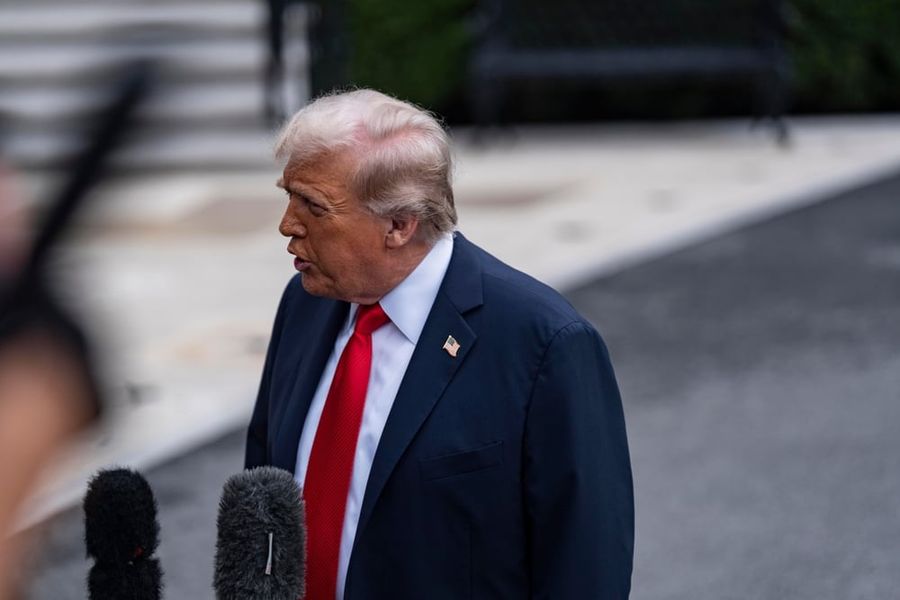
The announcement follows President Trump’s signing of an executive action that introduced major changes to the H-1B visa program, including a $100,000 fee for new petitions. Project Firewall compounds employers’ concerns, with many companies now unsure of how it could affect them.
(Note: A judge has struck down the $100,000 fee, but it remains in effect while the government appeals the ruling.)
Below are the facts on how the latest government initiative could impact businesses:
How does Project Firewall change how the DOL enforces H-1B compliance?
When the H-1B visa program began in 1990, the Department of Labor initiated investigations only after receiving complaints filed by workers.
Project Firewall marks a massive departure from that precedent. Now, the Secretary of Labor can begin an investigation “if reasonable cause exists.” The DOL has not yet defined what reasonable cause is.
In addition, prior to September 19, the DOL’s Wage and Hour Division was the only federal agency tasked with investigating noncompliance with the H-1B visa program. Project Firewall changes that by allowing the Office of Immigration Policy and the Employment and Training Administration to work with the Wage and Hour Division to investigate employers.
In addition, the DOL will collaborate with several other federal agencies to enforce Project Firewall, including:
- U.S. Citizenship and Immigration Services (USCIS)
- The Equal Employment Opportunity Commission (EEOC)
- The Civil Rights Division of the Department of Justice
What are the consequences employers who violate H-1B policy would face?
Historically, the DOL has imposed fines, collected back wages from employers, and barred employers from the H-1B program. The federal agency’s current civil penalty policy states that, depending on the severity of the violation, employers found guilty of displacing American workers through the H-1B program could be charged up to $67,367.
The Department of Labor has not said whether Project Firewall will change the consequences of employers taking advantage of the H-1B program.
In more severe cases, the DOL has barred companies from engaging in the H-1B visa program. Currently, debarred companies have a restriction period of up to three years, but the federal agency has not released new guidance stating whether this will change under Project Firewall.
How could Project Firewall affect companies with H-1B workers?
By not having to rely solely on tips submitted by employees, Project Firewall grants the Department of Labor more freedom to initiate investigations against employers who may not be compliant with the H-1B visa program.
While Big Tech companies like Meta and Apple have hired thousands of H-1B workers, much of the DOL’s new actions may land on IT consulting firms that help American conglomerates place foreign nationals. Most, if not all, of the companies listed on the DOL’s willful violators list—which tracks which H-1B employers have been fined or debarred—are outsourcing firms.
That said, any company participating in the H-1B visa program should expect greater scrutiny from the federal agency. While Project Firewall has not detailed how inspections would occur, previous inquiries by the DOL have included audits of working conditions, wages, and job classifications as well as unannounced workplace visits.
How should employers participating in the H-1B visa program prepare for Project Firewall?
First, employers should review whether their company is in compliance with the Department of Labor’s H-1B visa program guidelines. Ensuring that business follows the DOL’s legal standards may prevent having to pay steep fines and back pay, as well as other penalties.
To avoid claims of abusing the H-1B program, hiring managers should keep documentation that they are not excluding domestic talent from job opportunities. Copies of confirmed LCAs, PERM certification, and documented reasons for selection can count as valuable evidence.
Alternatively, employers looking to onboard foreign nationals can look into alternative immigration pathways to the United States. Depending on their expertise, seniority, or nationality, employees may qualify for visas such as the O-1, TN, or L-1.
If you need guidance on the best H-1B alternatives for your employees or yourself, request a consultation with Manifest Law today. We're here to help.
About the Author

Staff Writer
Caryl Espinoza Jaen is a Nicaraguan-born staff writer for Manifest Law. As a writer, he strives to cover complex topics like immigration policy with clarity, accuracy, and precision.
Read bioReviewed By

Senior Immigration Attorney at Manifest Law
Henry is an Estonian American attorney licensed in Arizona with broad experience in employment-based immigration. He handles EB-1A, EB-2 NIW, O-1, and E-2 cases for founders, professionals, and creatives across industries worldwide, and has helped hundreds of clients achieve successful outcomes.
Read bioShare this article: