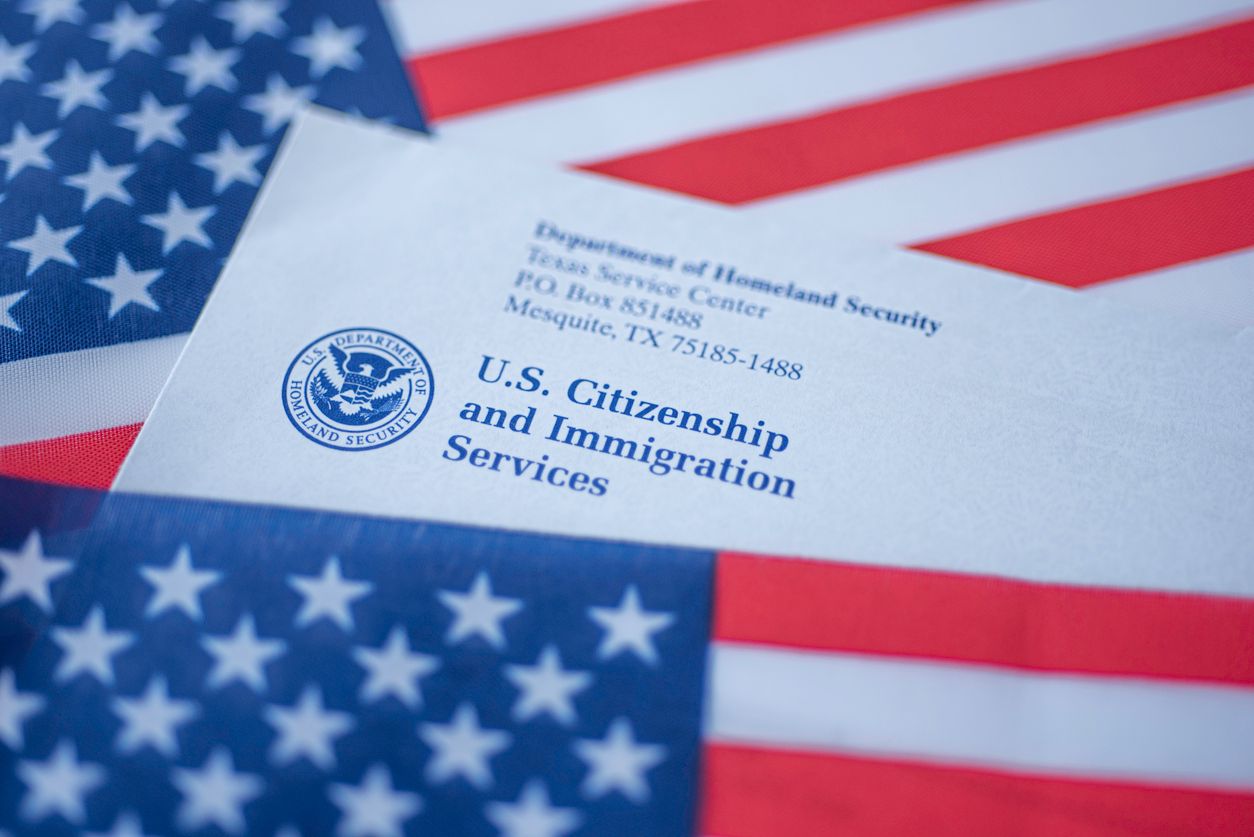
Update: U.S. Citizenship and Immigration Services (USCIS) issued new Policy Manual guidance that confirms that officers may reject or deny a request it already accepted if it later finds the signature invalid. The rules take effect immediately and apply to benefit requests filed on or after July 10, 2026.
The agency’s alert also clarifies what counts as a valid signature: Original handwritten autographs, including on forms that are photocopied, scanned, or faxed, as well as electronic signatures captured through online filing. USCIS also states that it may ask for an original document at any time.
Subscribe to our newsletter.
*By clicking Submit and subscribing to our newsletter, you agree to the Manifest Terms and Privacy Policy.
In a new rule, USCIS will soon have clearer authority to deny approved immigration benefits if an immigration officer later determines a signature to be invalid.
The rule, which published on May 11, codifies existing USCIS policy on deficient signatures. Immigration officers could already deny accepted petitions due to signing errors, but the federal agency decided to put this into regulation to create a more formal standard.
Whether a foreign national receives a rejected or denied request often determines next steps and if they lose money in the process:
- A rejected request is generally returned without a filing date, and the fee is usually returned.
- A denied request is treated as adjudicated, and USCIS may keep the filing fee. If an appeal is possible, they may also have to pay a separate filing fee to contest an initial decision.
Manifest immigration attorney Ana Gabriela Urizar says the outcomes matter in practice, because a denial based on a signing error can set a foreign national’s visa or Green Card journey back by years. “This fits into a broader USCIS trend of scrutinizing filings more closely and enforcing procedural requirements more strictly,” Urizar said. “The biggest takeaway from this particular rule is that already-accepted petitions can be denied if a signature is later determined to be invalid. One small mistake could mean months of lost progress.”
The policy addresses signature problems that may not be visible during intake. These can include signatures that were copied, made by someone other than the applicant or petitioner, created via software, or forged.
The rule will take effect after the 60-day public comment period has elapsed. It does not create a new signature requirement, as USCIS already requires benefit requests to be signed with a valid handwritten signature, or with an approved electronic signature when the form instructions allow it.
About the Author

Staff Writer
Caryl Espinoza Jaen is a Nicaraguan-born staff writer for Manifest Law. As a writer, he strives to cover complex topics like immigration policy with clarity, accuracy, and precision.
Read bioReviewed By

Immigration Lawyer to Manifest Law
Ana Gabriela Urizar is an award-winning immigration attorney licensed in Arizona and New York. With nearly a decade of experience, she advises global corporations on complex U.S. immigration matters. Originally from Guatemala, Ana Gabriela previously spent close to ten years at the world’s largest immigration firm, managing business immigration matters for leading technology, science, and financial companies. She has been recognized by Best Lawyers: Ones to Watch (2027) and Negocios Now’s Tri-State 40 Under 40.
Read bioShare this article: