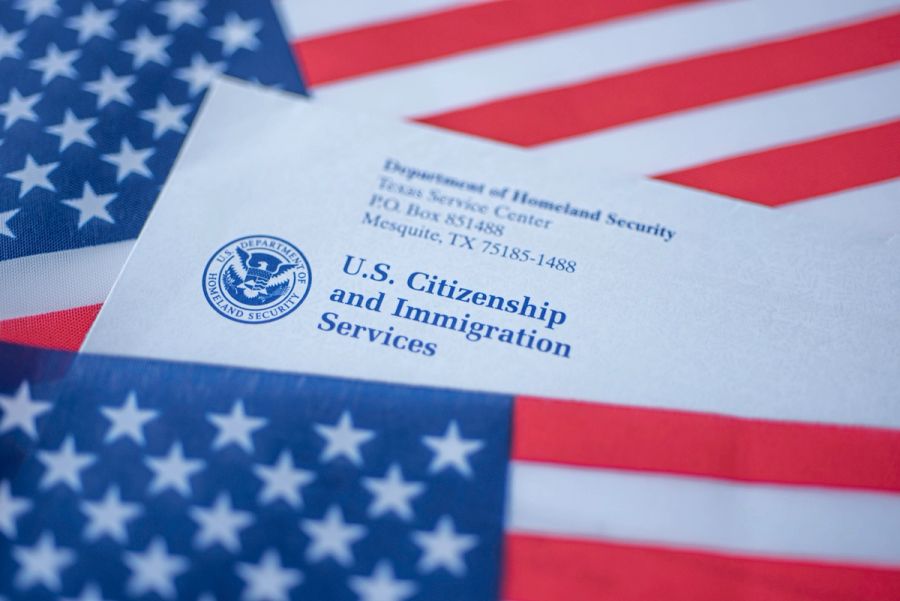
On February 13, U.S. Citizenship and Immigration Services (USCIS) announced that it has received enough H-2B visa petitions to reach the first allocation of the FY 2026 H-2B cap.
This announcement applies specifically to returning H-2B workers under the current filing window. Employers seeking to petition for a former employee must now wait until the next designated filing period to submit Form I-129.
The H-2B is a nonimmigrant visa that allows seasonal talent to enter the U.S. for a short period of time. Most of its holders work in hospitality, landscaping, and tourism.
How the H-2B seasonal cap works
Each fiscal year, Congress reserves 66,000 H-2B worker visas. Within this annual limit, 33,000 are designated for individuals with start dates set at the beginning of the fiscal year (October 1 through March 31).
Often, the Department of Homeland Security (DHS) will issue a rule to temporarily increase the annual H-2B visa allocation limit, allowing U.S. employers to file H-2B petitions for previously hired staff. The agency did so again earlier this month.
The filing windows are as follows:
- January 1 through March 31, 2026: 18,490 visas reserved for returning workers.
- April 1 through April 30: 27,736 visas reserved for returning workers.
- May 1 through September 30: 18,490 visas open to both initial and returning workers, plus the remaining unused amount.
USCIS has already received enough petitions to fill the first half of the statutory H-2B cap for fiscal year 2026. As a result, employers can only currently file cap-subject petitions for workers with start dates between April 1 and September 30.
Next steps for employers onboarding returning H-2B talent
Manifest immigration attorney Obi Monye advises that employers who missed the first H-2B allocation should promptly consult with an experienced lawyer to assess worker eligibility and prepare H-2B petitions in advance of upcoming filing windows, as supplemental caps fill quickly.
“Because the H-2B program involves strict deadlines and complex compliance requirements, strategic planning with an experienced immigration attorney is recommended to improve the likelihood of a successful result,” she says.
About the Author

Staff Writer
Caryl Espinoza Jaen is a Nicaraguan-born staff writer for Manifest Law. As a writer, he strives to cover complex topics like immigration policy with clarity, accuracy, and precision.
Read bioReviewed By

Immigration Lawyer to Manifest Law
Ana Gabriela Urizar is an award-winning immigration attorney licensed in Arizona and New York. With nearly a decade of experience, she advises global corporations on complex U.S. immigration matters. Originally from Guatemala, Ana Gabriela previously spent close to ten years at the world’s largest immigration firm, managing business immigration matters for leading technology, science, and financial companies. She has been recognized by Best Lawyers: Ones to Watch and Negocios Now’s Tri-State 40 Under 40.
Read bioShare this article: