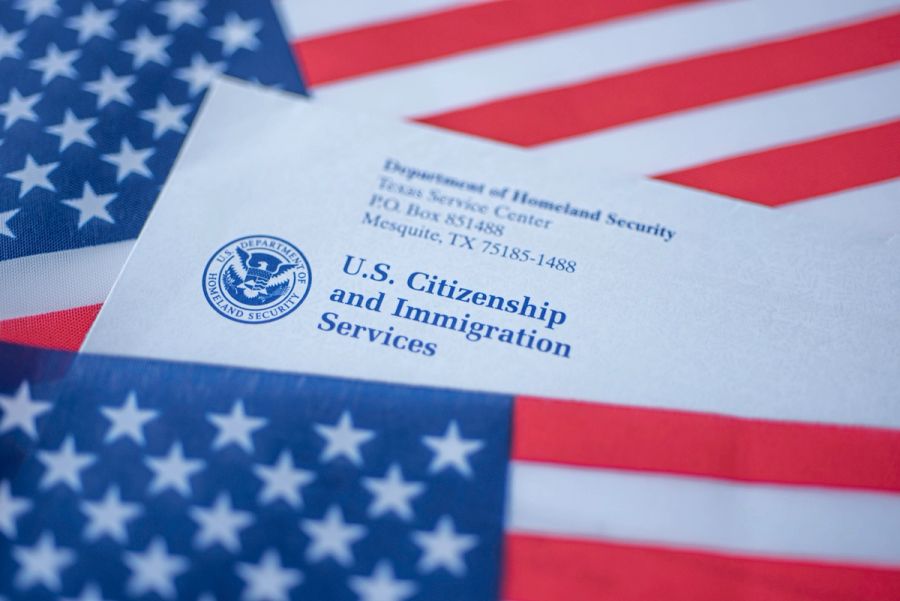
Foreign nationals are already vetted thoroughly by USCIS and other federal agencies. Most biometrics appointments are scheduled in advance and are a standard part of many immigration filings. At the appointment the applicant is fingerprinted and/or photographed as part of an extensive background check. But a new proposal could allow immigration officers to request more biometric information in the future.
On November 3, the Department of Homeland Security proposed expanding its biometric system. If passed, USCIS could request personal data from anyone in the U.S. immigration system, including select U.S. citizens and those under 14. The change could mean more in-person appointments or longer processing times for applicants.
The proposal makes several other changes to the biometrics process as well. DHS could request more kinds of personal data from foreign nationals, and immigration officers could also have the authority to request more screenings.
Henry Lindpere, Senior Counsel at Manifest Law, explains: “This proposed new rule, if enacted, would be a dramatic increase in the government’s authority to collect, process, and reuse sensitive personal information of children and even U.S. citizens. In addition to the privacy concerns, it is also likely to lead to longer processing times for many types of immigration applications.”
What would DHS’s proposed biometrics rule change?
U.S. Citizenship and Immigration Services already collects some biometrics from foreign nationals, including applicants for work permits, temporary work visas like the O-1 and green cards like the EB-1A.
But as of today, some people are allowed to waive the biometrics requirements. Children under 14 are exempt from fingerprinting thanks to the Immigration and Nationality Act. USCIS can also grant waivers for people with physical or mental disabilities.
Foreign nationals under 14, U.S. citizens would no longer be automatically exempt from biometrics
DHS’s November proposal would let USCIS request biometrics from any foreign national, regardless of their age. That means that children under 14 would need to get fingerprinted and photographed by immigration agents.
Some U.S. citizens could also not be exempt from processing. Under the suggested rules, any employer or form sponsor may need to submit fingerprints or photographs if they are petitioning for a foreign national. Right now, U.S. sponsors do not need to submit biometrics when filing with USCIS.
USCIS would be allowed to collect DNA, voice recordings, and other additional biometric data
Right now, most biometrics appointments only record fingerprints and signatures. The new proposal would give officers the ability to collect more personal data, including:
- DNA samples
- Facial scans
- Eye scans*
- Palm prints
- Voice recordings
DHS would give USCIS the authority to continuously vet all foreign nationals
Previously, USCIS could only request biometrics at certain points in the immigration process. For example, an officer could collect fingerprints from green card applicants. Once approved, USCIS could no longer request biometric information until the next time the applicant filed an application including a background check, such as an application for naturalization several years later.
If implemented, the latest proposal would allow DHS to create a “continuous vetting” program. Immigration officers would have the authority to regularly screen all foreign nationals for biometrics. They would then use this data to monitor their activity and eligibility of status in the U.S.
The proposal states that only those who become naturalized as U.S. citizens would be exempt from continuous vetting. Foreign nationals may still need to attend biometrics appointments even after USCIS approves their temporary or lawful permanent resident status.
Who would be impacted by DHS’s expanded biometrics rules?
If the proposal becomes implemented, DHS anticipates that roughly 1.12 million more biometrics submissions would occur yearly. That would mean that the number of people who submit biometrics each year would jump from about 1.12 to 3.19 million.
Note that this proposal only gives USCIS the authority to conduct additional vetting. It does not state that all foreign nationals would be required to undergo routine biometrics processing. Nor does it say that all biometrics would collect DNA or voice recordings.
However, the proposed ruling does expand the number of people impacted. It also gives immigration officers the power to request more personal data.
What’s next for DHS’s proposed biometrics rules?
The Federal Register states that the comment period for DHS’s proposed biometrics expansion will end on January 2, 2026. Until then, the federal agency will take feedback from the public on recommended changes.
After the comment period, DHS can review submitted comments and make changes to the proposed rules. The agency could then implement these changes as soon as January 2, 2026.
About the Author

Staff Writer
Caryl Espinoza Jaen is a Nicaraguan-born staff writer for Manifest Law. As a writer, he strives to cover complex topics like immigration policy with clarity, accuracy, and precision.
Read bioReviewed By

Senior Immigration Attorney at Manifest Law
Henry is an Estonian American attorney licensed in Arizona with broad experience in employment-based immigration. He handles EB-1A, EB-2 NIW, O-1, and E-2 cases for founders, professionals, and creatives across industries worldwide, and has helped hundreds of clients achieve successful outcomes.
Read bioShare this article: